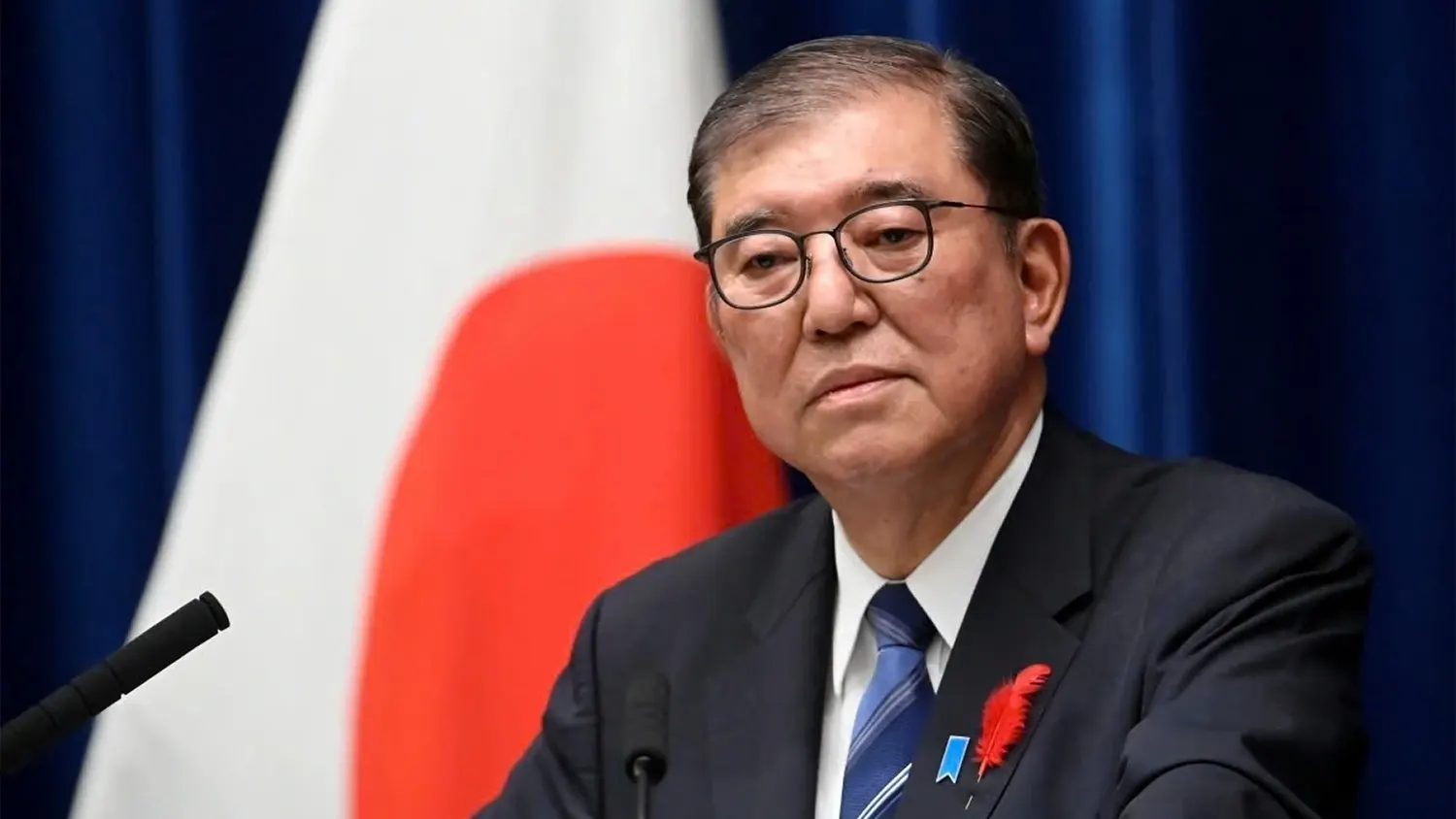
Japan’s ruling party has been here before under pressure, facing questions about its future, scrambling to regroup after a bruising defeat. But what’s unfolding right now feels different. Prime Minister Shigeru Ishiba is stepping down, and the circumstances surrounding his exit point to something deeper than a single leader’s fall from grace. They point to a party struggling to hold together in a political landscape that is shifting beneath its feet.
Two Elections, Two Defeats, and a Majority That Vanished
To understand why Ishiba’s position became impossible, you have to look at the sequence of losses that preceded his resignation because this wasn’t a single bad night at the polls. It was a pattern.
The first blow landed in October 2024, when the LDP lost its majority in the lower house of parliament, the more powerful of Japan’s two legislative chambers. For a party that had dominated Japanese politics for most of the postwar era, falling into minority government status was a historic reversal, one that immediately weakened Ishiba’s authority and emboldened critics within his own ranks.
Then came July 2025, and the House of Councillors election. The ruling coalition, the LDP and its junior partner Komeito failed again. Back to back defeats of this magnitude don’t happen by accident, and voters weren’t shy about signaling why they’d had enough.
Rising inflation has quietly hollowed out household savings and pushed living costs to levels many Japanese families are struggling to absorb. At the same time, a major party funding scandal had already done serious damage to the LDP’s long-cultivated image of institutional reliability. And hovering over all of it was the growing appeal of newer far-right and nationalist parties, pulling at the LDP’s traditional base from the outside while internal tensions pulled from within.
Why Staying Wasn’t Really an Option
In the immediate aftermath of the July election, Ishiba chose defiance. He vowed to remain in office, argued that continuity mattered particularly with ongoing trade negotiations with the United States at a delicate stage and warned that a leadership change in the middle of a crisis would only deepen the instability.
It was a reasonable argument. It just didn’t survive contact with the reality inside the LDP.
Key party figures began breaking ranks openly, questioning his leadership in terms that left little ambiguity about where things were heading. The prospect of a formal party leadership vote, a mechanism that could have removed him against his will and turned his exit into a public humiliation made the calculation clear. By choosing to resign on his own terms, Ishiba avoided a messier and more damaging removal, and gave the party at least a fighting chance to present a controlled transition rather than a public fracture.
It was, in the end, a strategic retreat rather than a collapse. But it was a retreat all the same.
The Two Names Everyone Is Watching
Ishiba’s resignation immediately triggers an LDP leadership election and because the LDP still holds the largest block of seats in the lower house, whoever wins that race will almost certainly become Japan’s next prime minister. The stakes, in other words, are about as high as they get.
Two names have emerged as the early frontrunners, and they represent genuinely different visions for what the LDP should become.
Sanae Takaichi, a former economic security minister, is the candidate of the party’s conservative core. She holds hawkish views on national security, takes strong nationalist policy positions, and has deep support among the faction of the LDP that believes the party’s path back to dominance runs through doubling down on its traditional identity rather than softening it.
Shinjiro Koizumi, the current agriculture minister, is the other gravitational center of this race. The son of former Prime Minister Junichiro Koizumi, he carries considerable public appeal that extends well beyond the usual LDP base particularly among younger voters who have grown skeptical of the party’s older guard. His supporters see him as someone capable of modernizing the LDP’s image without abandoning its foundations, and of reconnecting with the parts of the electorate the party has been steadily losing.
The contrast between them is sharp enough that the leadership race will function as something close to a referendum on the LDP’s identity: consolidate and harden, or open up and adapt.
A Party at a Crossroads It Can’t Afford to Get Wrong
The LDP has survived crises before. It has lost power, regrouped, and returned. That history gives the party’s supporters reason for measured optimism but it also risks producing a false sense that the current situation will resolve itself the same way previous ones did.
The political environment in Japan is changing in ways that aren’t easily reversed. New parties are gaining traction. Voter frustration with both economic management and institutional integrity isn’t fading. And the demographic pressures that have long shaped Japanese politics an aging population, declining birth rates, shrinking rural communities aren’t waiting for the LDP to sort out its leadership.
Whoever emerges from this race will inherit a government operating without a parliamentary majority, a public that has twice in less than a year voted to express its dissatisfaction, and a party that needs to rebuild trust quickly if it wants to stop the erosion of its position before it becomes permanent.
Japan’s next chapter is being written right now inside the LDP’s leadership contest. The name at the top when it’s over will tell you a great deal about which direction the country is heading.