A possible breakthrough has emerged in the long running battle over the future of TikTok in the United States.
After months of negotiations, U.S. and Chinese officials have reportedly reached a preliminary framework agreement that could prevent a nationwide ban on the popular video-sharing platform. The proposal would transfer control of TikTok’s U.S. operations from its Chinese parent company, ByteDance, to a group of American investors.
The agreement arrives just days before a major enforcement deadline scheduled for September 17, 2025, increasing pressure on both governments to finalize the deal.
American Investors Could Take Control of TikTok U.S.
At the center of the proposal is a plan to restructure ownership of TikTok’s American business.
Under the framework, ByteDance would reduce its ownership stake to below 20%, complying with a bipartisan U.S. law passed in 2024 that requires foreign adversary-linked companies to fully divest from platforms operating in the United States.
Reports indicate that Larry Ellison, co-founder of Oracle, is expected to play a major role in the investor group seeking control of TikTok’s U.S. operations.
Supporters of the agreement argue that shifting ownership to American investors could reduce national security concerns while allowing the platform to continue operating for millions of users.
TikTok’s Algorithm Remains the Biggest Sticking Point
One of the most controversial parts of the negotiations involves TikTok’s recommendation algorithm, the technology responsible for personalizing users’ video feeds.
Chinese officials reportedly prefer licensing the algorithm to the new American-controlled entity rather than fully transferring ownership of the technology.
That proposal has raised concerns among U.S. lawmakers who believe any continued Chinese influence over TikTok’s core systems could undermine the purpose of the divestiture law.
Critics argue that even limited control over the algorithm could potentially allow influence over content distribution, public opinion, or access to sensitive user data.
As a result, the algorithm issue may become the deciding factor in whether the final agreement receives political approval.
Trump and Xi Still Need to Approve the Deal
Although negotiators have reached a framework, the agreement is not yet final.
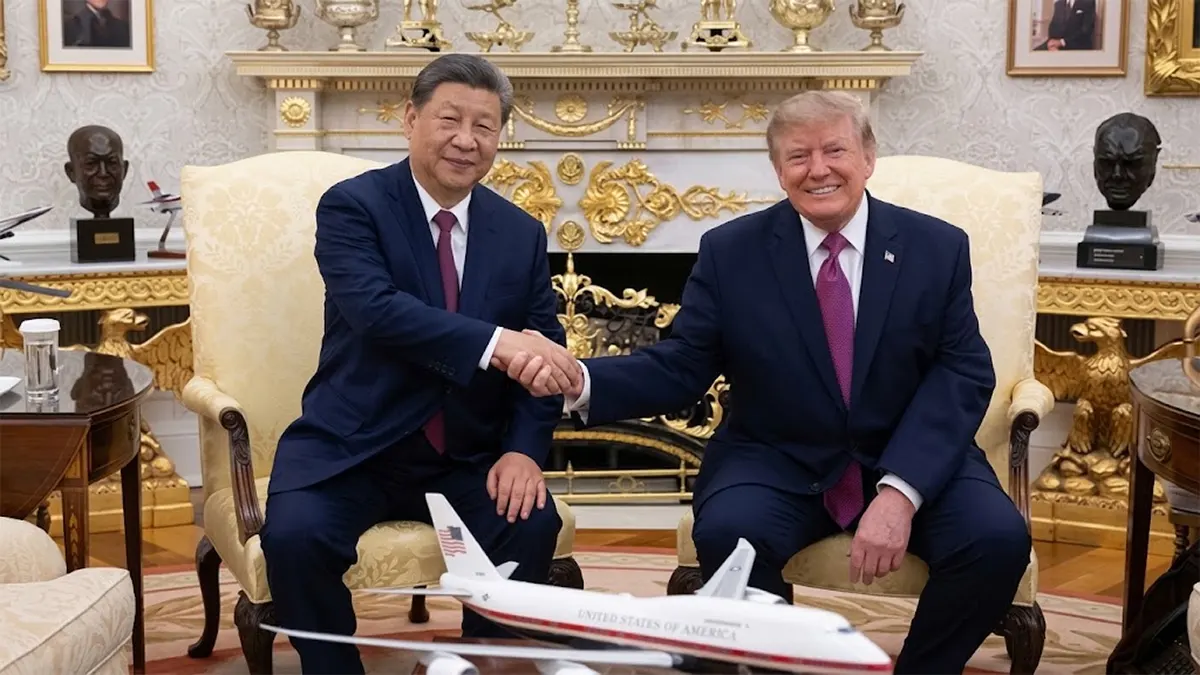
The proposal still requires approval from Donald Trump and Chinese President Xi Jinping.
Officials expect the two leaders to discuss the matter directly in an upcoming phone call, where remaining political and commercial concerns could be addressed.
Given the broader tensions between Washington and Beijing over trade, technology, and national security, the TikTok negotiations are being viewed as part of a much larger geopolitical struggle.
Why the U.S. Wants ByteDance to Sell TikTok
The push to force ByteDance to sell TikTok has been building for years.
U.S. lawmakers and intelligence officials have repeatedly warned that Chinese companies can be compelled under Chinese law to cooperate with government intelligence agencies if requested.
American officials fear that user data from millions of U.S. citizens could potentially be accessed by Chinese authorities or that TikTok’s algorithm could be used to influence political discussions and public opinion.
Those concerns led Congress to pass legislation in April 2024 requiring ByteDance to sell TikTok’s U.S. assets or face a nationwide ban.
The law was later upheld by the Supreme Court of the United States, strengthening the government’s authority to restrict foreign-owned digital platforms considered national security risks.
Since then, President Trump has delayed enforcement several times to allow negotiations over a sale to continue.
Congress and Security Agencies May Still Push Back
Even if a final deal is reached, major hurdles remain.
Lawmakers from both political parties have already expressed skepticism about any agreement that allows ByteDance to maintain influence over TikTok’s operations or technology.
At the same time, U.S. intelligence agencies and the Committee on Foreign Investment in the United States are expected to carefully review the final arrangement.
Security officials will likely examine whether the proposed ownership structure truly prevents foreign control over the platform.
Some members of Congress argue that any compromise perceived as weak could reopen national security concerns and trigger additional legal battles.
Millions of Users Are Watching Closely
The future of TikTok matters far beyond politics.
The platform currently has more than 170 million users in the United States, including creators, influencers, small businesses, and digital marketers who rely on the app for income and audience growth.
A full ban could have major economic consequences for content creators and online businesses built around the platform.
TikTok has repeatedly denied allegations that it improperly shares user data with the Chinese government. The company says it has implemented strict security protections, including U.S.-based data storage systems and third-party oversight measures.
However, critics argue those safeguards are insufficient if ByteDance still maintains access to core technologies.
A Defining Moment for Global Tech Regulation
The TikTok negotiations are now being seen as a major test case for how governments handle foreign-owned technology platforms.
If the agreement succeeds, it could become a model for future deals involving social media apps, artificial intelligence companies, and international technology firms operating across political borders.
If negotiations fail, however, the United States could move forward with one of the most significant social media bans in its history.
For now, governments, technology companies, investors, and millions of users around the world are closely watching what happens next.
The final outcome may shape not only TikTok’s future, but also the future of global digital regulation itself.