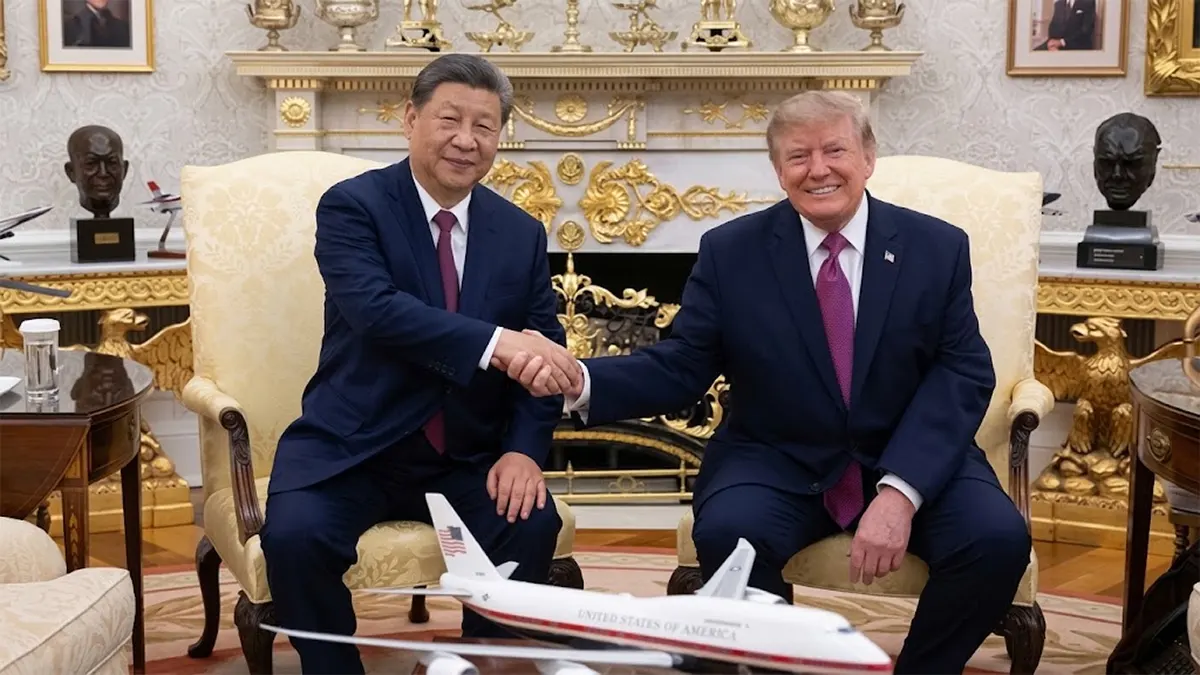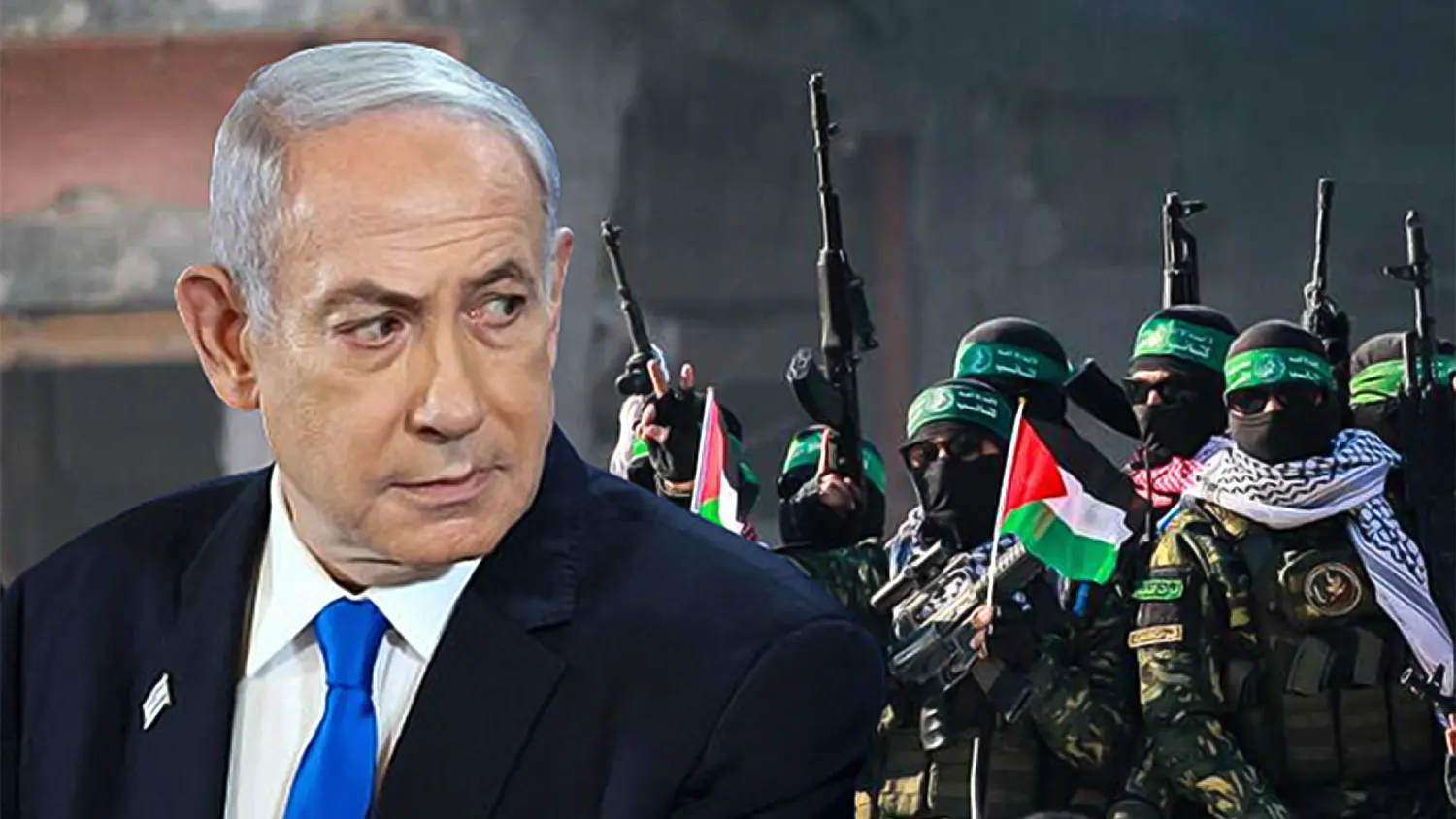
The future of Gaza could be decided in the coming days as Hamas reviews a sweeping peace proposal jointly backed by U.S. President Donald Trump and Israeli Prime Minister Benjamin Netanyahu.
The 20-point framework, released by the White House on September 30, aims to bring an end to nearly two years of conflict through a combination of ceasefire measures, hostage releases, governance reforms, and security guarantees.
However, the proposal comes with a clear warning: if Hamas rejects the deal and refuses to release the remaining hostages, Israel could intensify military operations with support from Washington.
Hostage Release Forms the Foundation of the Deal
At the heart of the proposal is the immediate release of all remaining Israeli hostages held in Gaza.
Under the plan, Hamas would be required to return both living hostages and the remains of those who have died within 72 hours of Israel formally accepting the agreement.
U.S. and Israeli officials argue that resolving the hostage crisis is essential for any broader ceasefire to move forward.
The demand is viewed as the first and most important step toward ending the conflict and beginning a post-war transition.
Thousands of Palestinian Prisoners Could Be Freed
In exchange for the hostages, Israel would carry out a large-scale prisoner release.
The proposal calls for the release of approximately 2,000 Palestinian prisoners, including around 250 inmates serving life sentences.
Supporters of the agreement believe the prisoner exchange could help create momentum for additional confidence-building measures between both sides.
A New Governing Structure for Gaza
The peace framework also proposes a significant political overhaul in Gaza.
Rather than returning control directly to any existing faction, the territory would be managed by a technocratic Palestinian committee tasked with overseeing daily administration and reconstruction efforts.
The committee would operate under the supervision of an international body known as the Board of Peace, which would coordinate recovery efforts and monitor implementation of the agreement.
According to the proposal, the board would be chaired by President Trump and include international representatives responsible for supporting Gaza’s transition after the war.
Israeli Withdrawal Linked to Security Conditions
The plan outlines a phased withdrawal of Israeli forces from Gaza, but only after specific security requirements are met.
Israeli troops would gradually reduce their presence as demilitarization efforts progress and stability improves. At the same time, Israel would maintain a security perimeter around key areas until international monitors determine that security threats have been sufficiently reduced.
Officials involved in drafting the proposal argue that these measures are designed to balance Gaza’s reconstruction needs with Israel’s security concerns.
Netanyahu Signals Key Differences With Washington
Although Netanyahu appeared alongside U.S. officials in support of the proposal, he later emphasized positions that differ from parts of the White House framework.
Opposition to a Palestinian State
Netanyahu reiterated that he does not support the creation of an independent Palestinian state.
His comments contrast with portions of the U.S. proposal that suggest the possibility of a future path toward Palestinian self-determination as part of a broader political settlement.
Long-Term Israeli Security Presence
The Israeli prime minister also stated that Israeli forces would likely continue operating in significant parts of Gaza for the foreseeable future.
That stance differs from the proposal’s emphasis on international oversight and a gradual transition toward local governance.
International Backing Continues to Grow
Despite disagreements over certain details, the proposal has received broad support from governments across Europe and the Middle East.
Arab Nations Welcome Diplomatic Effort
Foreign ministers from Saudi Arabia, Egypt, Qatar, Turkey, and the United Arab Emirates praised the initiative and expressed support for efforts to end the conflict.
At the same time, regional leaders stressed the importance of addressing Gaza’s humanitarian crisis and preventing further displacement of civilians.
European Allies Push for Quick Acceptance
The United Kingdom, France, and Germany also endorsed the framework, urging Hamas to respond positively and help bring an end to the fighting.
European leaders described the proposal as a potential opportunity to create conditions for long-term stability in the region.
Palestinian Authority Sees Path Forward
The Palestinian Authority welcomed the international initiative and expressed hope that it could eventually contribute to a broader peace process.
Officials indicated that any successful agreement should ultimately support a negotiated two-state solution.
Hamas Holds the Key to What Happens Next
The proposal has already been delivered to Hamas negotiators through mediators in Doha.
Representatives from the group have said they are reviewing the plan “in good faith,” but major questions remain about whether Hamas would agree to surrender its weapons and step away from governing Gaza.
Those requirements are among the most challenging aspects of the proposal and could determine whether negotiations move forward or collapse.
For now, diplomats, regional leaders, and civilians across the region are watching closely.
A positive response could open the door to a ceasefire, hostage releases, and reconstruction efforts. A rejection, however, could lead to another phase of intensified fighting in a conflict that has already reshaped the Middle East.