The Pacific Northwest and Intermountain West are facing one of the most dangerous wildfire emergencies of the year, with Washington and Utah battling fast-moving blazes fueled by drought, extreme heat, and powerful winds.
In Washington, the Spokane Complex Fires have become the region’s worst natural disaster in recent history, forcing tens of thousands of people to flee their homes. Meanwhile, Utah is struggling to contain the Widemouth 2 Fire, a massive wildfire that has rapidly expanded across rural landscapes under severe weather conditions.
Together, the fires highlight how a combination of human activity, lightning strikes, and increasingly volatile weather is creating ideal conditions for destructive wildfires across the western United States.
Spokane Faces Its Worst Natural Disaster in Decades
The Spokane Complex Fires currently represent the most severe active wildfire emergency in the Pacific Northwest.
Washington officials issued Level 3 (“Go Now”) evacuation orders affecting approximately 60,000 residents, with around 5,000 homes located inside mandatory evacuation zones.
The fires have already destroyed more than 600 structures, including homes, businesses, and outbuildings. Spokane Mayor Lisa Brown described the disaster as the worst natural disaster the region has ever experienced.
Recognizing the growing crisis, Governor Bob Ferguson declared a statewide emergency, citing prolonged drought conditions and dangerous winds that pushed flames into populated neighborhoods.
Three Major Fires Continue to Threaten Spokane
Emergency crews are battling three major wildfires burning around Spokane.
Old Trails Fire Crosses the Spokane River
The Old Trails Fire is the largest blaze in the area. It crossed the Spokane River and spread into northern neighborhoods, including Balboa, where dozens of homes were destroyed.
Autumn Lane Fire Remains the Biggest Threat
Incident commanders consider the Autumn Lane Fire the greatest concern because of its continued potential for rapid expansion.
Fairview Fire Shows Signs of Progress
The Fairview Fire has slowed compared to the other two blazes, although firefighters continue strengthening containment lines to prevent new flare-ups.
Power Outages and Difficult Terrain Complicate Firefighting
The wildfire response has been complicated by widespread infrastructure damage.
More than 30,000 electricity customers lost power during the height of the emergency after utility provider Avista implemented safety shutoffs and downed power lines disrupted service.
Natural geography has also made firefighting more difficult. The steep canyons surrounding the Spokane River create powerful wind tunnels that carry burning embers long distances, allowing new fires to ignite well ahead of the main flames.
At the same time, Red Flag Warnings remain in effect across eastern Washington, Oregon, and Idaho as hot temperatures, low humidity, and gusty winds continue to increase wildfire danger.
Utah Battles the Explosive Widemouth 2 Fire
While Spokane has suffered extensive urban damage, Utah is confronting a different challenge.
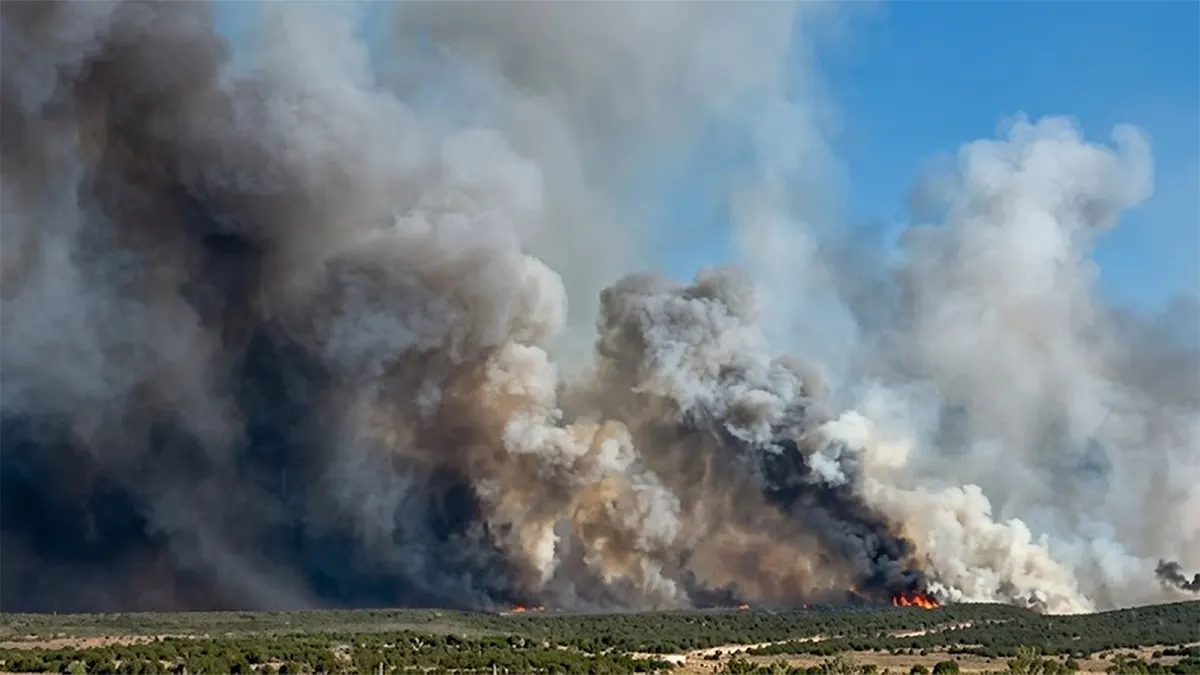
The Widemouth 2 Fire in Millard County has rapidly grown into one of the state’s largest active wildfires, consuming approximately 70,000 acres with zero containment reported.
Mandatory evacuation orders have been issued for portions of:
- Fillmore
- Kanosh
- Meadow
- Kanosh Band Reservation of the Paiute Indian Tribe
As a precaution, state officials also relocated dozens of inmates from the Millard County Jail to the Utah State Correctional Facility because of the fire’s proximity to Fillmore.
Extreme Weather Continues to Fuel Utah Wildfires
Fire crews in Utah face exceptionally dangerous weather.
The National Weather Service has issued Red Flag Warnings across much of central and eastern Utah, including the:
- San Rafael Swell
- Tavaputs Plateau
- Grand Staircase region
Relative humidity has fallen to between 5% and 10%, while wind gusts exceeding 30 mph continue pushing flames across dry vegetation, making containment efforts extremely challenging.
Different Ignition Sources, Same Dangerous Conditions
Although the fires in Washington and Utah started differently, both have been intensified by nearly identical weather conditions.
Washington: Human-Caused Fire Under Investigation
Investigators say portions of the Spokane Complex Fires were human-caused, and authorities have arrested one individual in connection with an alleged arson case.
However, the rapid spread of the fires resulted from strong winds reaching 35 to 40 mph, prolonged drought, and critically low humidity that transformed dry forests and grasslands into highly combustible fuel.
Utah: Lightning Ignites Massive Blaze
Officials believe the Widemouth 2 Fire began after dry lightning associated with a fast-moving thunderstorm ignited vegetation.
Once started, high temperatures, single-digit humidity, and powerful winds allowed the fire to expand across tens of thousands of acres within days.
Comparing the Impact in Washington and Utah
Although Utah’s wildfire has burned a significantly larger area, Spokane has suffered far greater damage to homes and businesses.
| Spokane Complex Fires | Widemouth 2 Fire | |
|---|---|---|
| Fatalities | None confirmed | None confirmed |
| Missing Persons | 14 reports still under investigation | None reported |
| People Evacuated | About 60,000 | Hundreds |
| Structures Destroyed | More than 600 | None |
| Fire Size | Around 8,000 acres | More than 68,000 acres |
Across Washington, wildfires have burned approximately 250,000 acres statewide, while Utah has recorded more than 456,000 acres burned during the 2026 fire season.
No Confirmed Fatalities Despite Widespread Destruction
Authorities have not confirmed any wildfire-related deaths in either state.
During Spokane’s chaotic evacuation, law enforcement initially received nearly 290 missing-person reports. Most were resolved quickly, leaving 14 cases still under investigation.
Despite the enormous size of the Widemouth 2 Fire, firefighters successfully protected residential neighborhoods, preventing homes from being destroyed.
Federal, State, and Local Governments Mobilize Resources
Government agencies at every level have launched emergency responses to support firefighting operations and affected communities.
Federal Assistance
The Federal Emergency Management Agency (FEMA) approved Fire Management Assistance Grants (FMAGs) for Washington and Utah.
The grants can reimburse up to 75% of eligible firefighting costs, including equipment, field camps, emergency supplies, and firefighter deployments.
Washington officials have also requested a broader federal emergency declaration to unlock additional disaster assistance.
Meanwhile, the U.S. Forest Service and Bureau of Land Management have deployed air tankers, smokejumpers, hotshot crews, and other specialized firefighting resources.
State-Level Emergency Actions
Washington activated its Emergency Operations Center, deployed Department of Natural Resources strike teams, and implemented a statewide outdoor burn ban.
Utah activated its Emergency Operations Plan for the hardest-hit counties, including Beaver, Piute, Sevier, and Millard, while coordinating evacuations and inmate transfers.
Local Emergency Response
County emergency management agencies continue enforcing evacuation orders while the American Red Cross operates emergency shelters at community centers, schools, and fairgrounds.
Utility companies are also working to restore electricity safely while protecting firefighters operating near damaged power infrastructure.
Wildfire Danger Remains High Across the Western U.S.
Officials warn that the wildfire threat is far from over.
Persistent drought, extreme heat, strong winds, and critically low humidity continue creating conditions that allow even small ignitions to grow into major disasters.
With Red Flag Warnings remaining in effect across large portions of the western United States, emergency officials are urging residents to remain alert, follow evacuation orders immediately, and avoid activities that could spark additional fires.