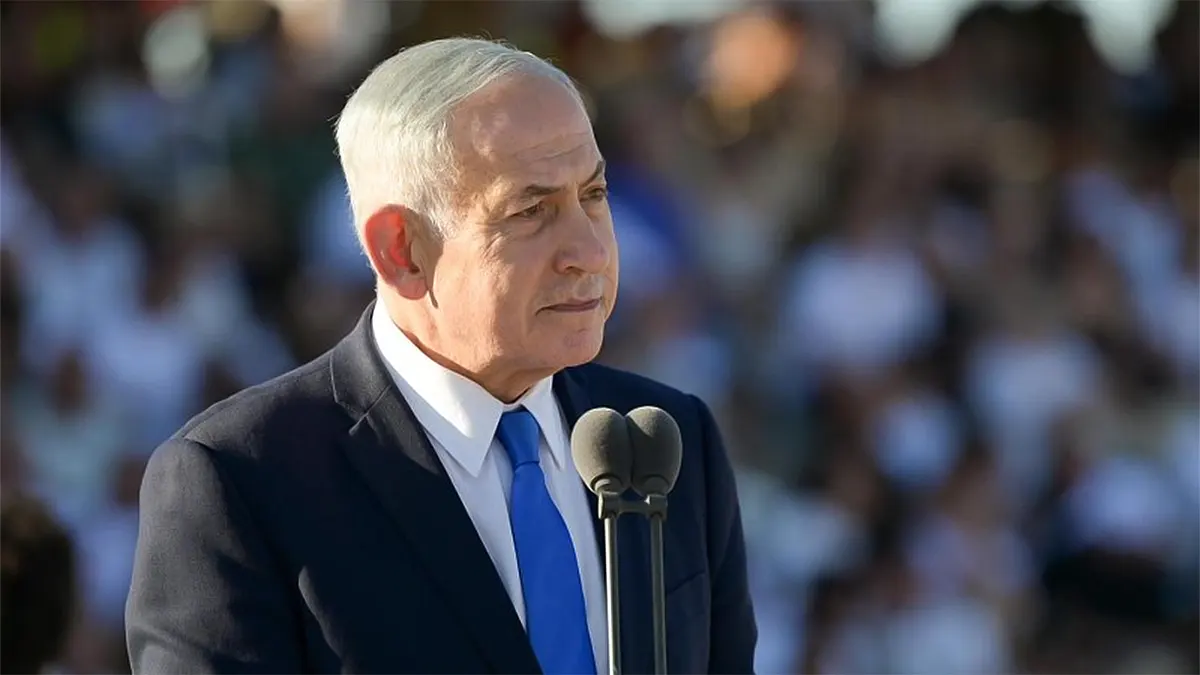
On June 24, 2026, Benjamin Netanyahu stepped down from the witness stand for the last time. After 98 hearing days spread across 18 months, his personal testimony in Israel’s most consequential corruption trial in decades was finally complete.
He didn’t leave quietly. Exiting the courtroom, Netanyahu publicly condemned the prosecution, calling the decade-long investigation “10 years of hell” and a “political vendetta” claiming that investigators went through his entire life with a fine-tooth comb and “found nothing.” For a man who just spent a year and a half being cross-examined by prosecutors, it was a characteristically combative exit.
But the trial itself is nowhere near finished.
Where the Case Actually Stands
Netanyahu completing his testimony is a milestone, not a conclusion. The defense still needs to present its remaining witnesses and evidence. After that, both sides submit their final legal summaries. The judges who are the sole decision-makers in an Israeli criminal trial are then still several months away from reviewing everything and issuing a verdict.
Under Israeli law, Netanyahu is not required to step down as Prime Minister unless he is fully convicted and all appeals are completely exhausted, a process that, given the complexity of three separate cases, could take years beyond a verdict itself. He continues to deny all wrongdoing across all charges.
How We Got Here: A Decade in Three Phases
Understanding the trial requires separating out what’s already over from what’s still in motion.
The investigation phase, which ran from 2016 to 2019, saw Israeli police and the National Fraud Investigation Unit spend years wiretapping communications, raiding offices, and interrogating Netanyahu, his family, and members of his inner circle. In November 2019, the Attorney General officially closed that investigation phase and handed down a formal indictment. Under Israeli law, once an indictment is filed, the investigation stops and the evidence is locked in, the trial then argues over what was already gathered.
The trial phase began in May 2020 and has been grinding forward ever since. When Netanyahu attacked the investigation from the witness stand, he was relitigating a process that legally concluded years ago, a detail the prosecution was quick to point out.
Three Cases, One Defendant
Netanyahu faces charges across three separate cases, each with its own alleged quid pro quo. Together, they range from personal luxury gifts to a half-billion-dollar corporate favor.
Case 1000 — The Gifts Affair is the most personal. Prosecutors allege that Netanyahu and his wife Sara accepted roughly 700,000 shekels (approximately $195,000) worth of luxury goods expensive cigars, pink champagne, and jewelry from wealthy benefactors including Hollywood producer Arnon Milchan. In return, Netanyahu allegedly used his political influence to help Milchan secure a U.S. visa and pushed for tax legislation that would directly benefit him. Netanyahu’s defense: they were ordinary gifts between close personal friends, with no political strings attached.
Case 2000 — The Newspaper Affair involves secretly recorded conversations between Netanyahu and Arnon Mozes, publisher of Yedioth Ahronoth, one of Israel’s largest daily newspapers. Prosecutors say Netanyahu offered to pass legislation weakening a rival newspaper, Israel Hayom in exchange for softer coverage of his government. No money changed hands; the currency here was political power and market dominance. Netanyahu admits the conversations happened but says he was engaged in deliberate “political theater” and was never serious about following through.
Case 4000 — The Bezeq-Walla Affair is the most serious, and the reason Netanyahu faces a bribery charge. While simultaneously serving as Prime Minister and Communications Minister, he allegedly steered regulatory approvals worth approximately 1.8 billion shekels (roughly $500 million) to Bezeq, Israel’s largest telecom company, in ways that dramatically inflated its value. The controlling shareholder of Bezeq also owned the news website Walla and prosecutors argue Netanyahu effectively received editorial control over that outlet as his bribe: the ability to dictate positive coverage, kill negative stories, and target political rivals. Under Israeli law, trading regulatory favors for favorable media coverage qualifies as bribery. Netanyahu argues every regulatory decision he made was standard procedure supported by professional committees.
A Parallel Storm: The Scandals Around His Inner Circle
Entirely separate from the corruption trial, Netanyahu’s office has been engulfed in a second wave of legal trouble centered not on him personally, but on the people closest to him.
The most explosive is “Qatargate.” Several of Netanyahu’s most trusted personal advisors including media advisor Jonatan Urich and former spokesman Eli Feldstein are suspected of secretly accepting millions from Qatari representatives to run a covert public relations campaign inside Israel, casting Qatar in a favorable light despite its historical role hosting Hamas leadership. Active arrests and indictments have followed. The Shin Bet’s heavy involvement has created significant friction between Netanyahu’s office and Israel’s intelligence establishment.
Then there’s the Tzachi Braverman investigation. Netanyahu’s powerful chief of staff allegedly discovered that the Shin Bet was quietly probing the illegal leak of classified documents to a German newspaper, the affair known as “BibiLeaks” and reportedly held a late-night meeting in a military parking lot to discuss whether the leak could be traced back to them. Prosecutors are weighing charges of fraud, obstruction of justice, and breach of trust. In a separate thread of the same investigation, Braverman allegedly used a sensitive video recording of a military officer as leverage to extract information related to the events of October 7th.
Urich himself has been formally indicted not just for transmitting classified intelligence, but for the destruction of digital evidence, allegedly wiping messages and data as military censors and intelligence agencies closed in.
Why the Motive Behind the Scandals Matters
What makes the second wave of controversies particularly damaging isn’t just their legal severity, it’s the alleged political objective behind them. Prosecutors and critics argue the leaked documents weren’t reckless mistakes but a coordinated operation: by selectively leaking material suggesting Hamas had no interest in a ceasefire, Netanyahu’s aides allegedly provided him political cover to resist a hostage-release deal, reinforcing his hardline wartime posture at a moment when public pressure for a deal was intense.
Netanyahu’s defenders frame all of it, the corruption trial, Qatargate, BibiLeaks, the altered October 7th phone logs as an interconnected bureaucratic and judicial assault on a sitting prime minister by political enemies and rogue investigators.
His critics see a pattern: a leader who has spent a decade in legal jeopardy while simultaneously managing a war, and whose closest allies are now accused of manipulating the very information Israelis use to judge whether he’s doing it right.
The courtroom battle is far from over. The broader reckoning may be just beginning.