A Summit of Contrasts
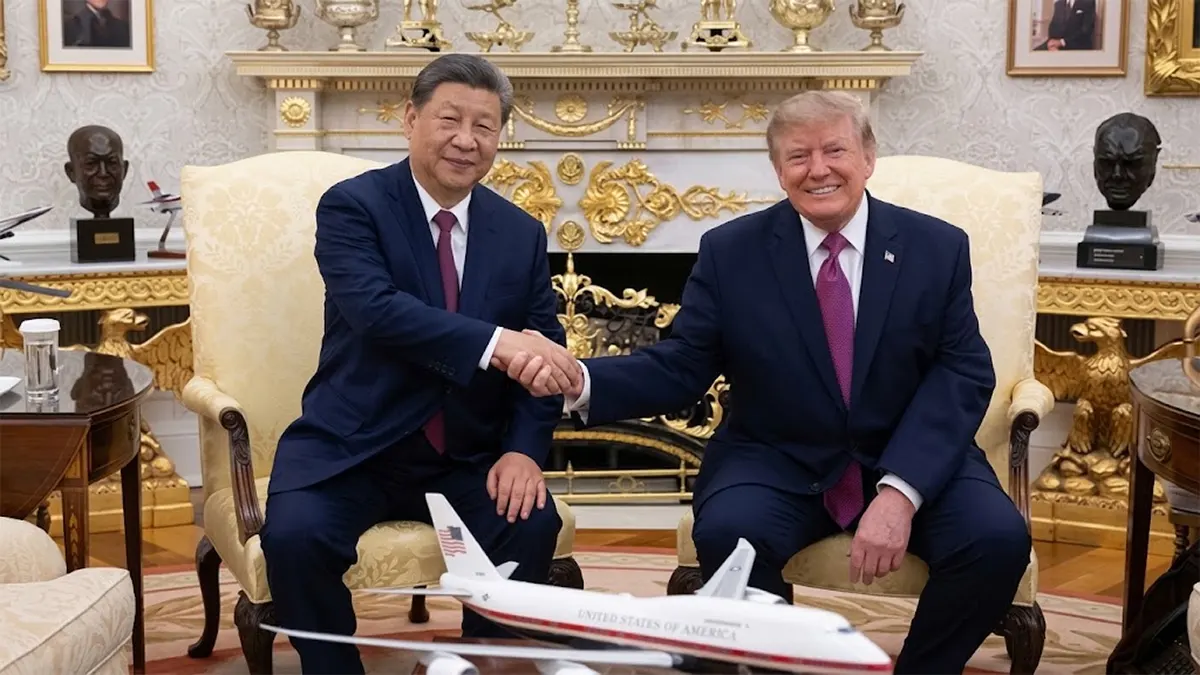
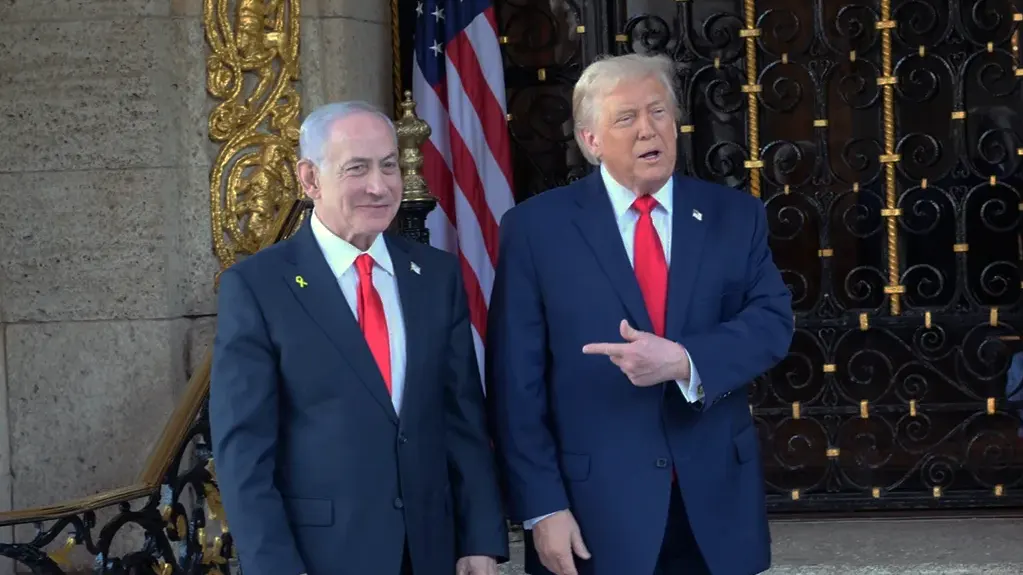
The White House hosted a tense yet pivotal meeting on February 11, 2026, as President Donald Trump welcomed Israeli Prime Minister Benjamin Netanyahu. Publicly, the two leaders projected the familiar image of close partnership. Behind closed doors, however, the conversation revealed deep divisions over the future of Gaza, the Sinai Peninsula, and Iran’s nuclear program.
Netanyahu left Washington shortly after the meeting, originally scheduled for February 19, signaling the urgency he placed on influencing Trump’s approach to Iran before further negotiations. Unlike previous encounters, no joint press conference followed; the White House released only a gallery of photographs and a brief readout, suggesting unresolved disagreements.
The Sinai Roadmap and Gaza’s Future
Central to the summit was the controversial “Sinai Roadmap,” part of Phase II of Trump’s 20 point Gaza Peace Plan. Leaks indicate the plan envisions a new “Trilateral Crossing” at the Israel-Gaza-Egypt junction, replacing the Rafah crossing. Managed jointly by the International Stabilization Force and a technocratic Palestinian committee, the corridor is designed to allow humanitarian aid and reconstruction materials to flow efficiently.
The plan also proposes a modernized “New Gaza,” including 100,000 housing units and a coastal tourism zone with nearly 180 skyscrapers. Advocates, led by Jared Kushner and the Board of Peace, hope these developments will raise Gaza’s GDP to $10 billion by 2035 and generate 500,000 jobs.
Oversight of the reconstruction falls to the Board of Peace, chaired by Trump, while the National Committee for the Administration of Gaza (NCAG) handles daily governance under the leadership of Dr. Ali Sha’ath. The BoP retains authority over territorial borders and Gaza’s demilitarized status, highlighting the careful balance of political and security interests.
Navigating Regional Sensitivities
The roadmap’s success depends on delicate regional cooperation. Egypt has strongly opposed the permanent relocation of Palestinians into Sinai, citing security concerns, though it supports the logistics crossing for economic reasons. The UAE has embraced the initiative, seeing both strategic and commercial benefits, while Saudi Arabia remains cautious, tying its support to progress toward a credible Palestinian state.
Underlying these positions is a subtle rivalry between Riyadh and Abu Dhabi. Saudi officials view the UAE’s close collaboration with Israel in Gaza as an attempt to expand influence, intensifying competition over reconstruction logistics and infrastructure projects.
Security Challenges and Political Pressures
Even as the plan promises economic development, security issues loom. Netanyahu emphasized that Hamas must disarm, yet debates continue over the retention of small arms.
Trump reaffirmed opposition to West Bank annexation, a stance that complicates Israel’s domestic political calculations and tests the commitment of Arab partners.
In parallel, U.S. military maneuvers underscore the stakes.
Trump hinted at deploying a second aircraft carrier strike group to the region, signaling maximum pressure on Iran ahead of ongoing nuclear negotiations. “Either we will make a deal or we will have to do something very tough like last time,” he told Axios.
Iran Negotiations in the Balance
Netanyahu sought to expand U.S.-Iran discussions beyond nuclear enrichment to include ballistic missiles and regional proxies. Iranian officials, meanwhile, delivered a tentative counterproposal in Oman, offering temporary reductions in uranium enrichment in exchange for access to frozen financial assets and eased oil sanctions.
The timing of these talks is critical. Trump and Netanyahu both appear intent on securing tangible outcomes before signing any new agreement, while military deployments and regional alliances add additional layers of pressure.
Looking Ahead
The next decisive moment arrives on February 19, when the Board of Peace convenes in Washington to finalize reconstruction funding and strategic agreements. Future rounds of mediation may take place in Turkey or Italy, reflecting the involvement of multiple regional actors, including Saudi Arabia, the UAE, and Egypt.
For now, the summit underscores the fragility of Middle East diplomacy: ambitious reconstruction plans, regional rivalries, and the looming challenge of Iran all converge in a high stakes environment where careful negotiation will determine whether opportunity translates into lasting peace.