For the first time in months, a concrete path toward ending the Gaza war has materialized. A Hamas official has confirmed the group’s acceptance of the latest ceasefire proposal
a deal brokered by Egypt and Qatar that mediators describe as “almost identical” to a framework Israel had previously agreed to.
The announcement shifts the diplomatic pressure entirely onto Israel, which now faces a defining moment: accept the deal and pursue a fragile peace, or reject it and bear the weight of what comes next.
What the Proposed Deal Actually Says
The agreement is structured as a phased ceasefire, beginning with a 60-day halt in fighting, a temporary but significant pause designed to create space for deeper negotiations toward a permanent end to the conflict.
At the heart of the proposal is a large scale hostage and prisoner exchange. Israeli hostages believed to still be alive would be released in two separate batches, in return for the freeing of Palestinian prisoners. The truce period would then be used to lay the groundwork for a more lasting resolution.
The framework is not new and that is precisely what makes its rejection politically costly. Mediators have been explicit: this proposal is nearly indistinguishable from one Israel had previously signaled acceptance of.
The Human Cost Behind the Diplomacy
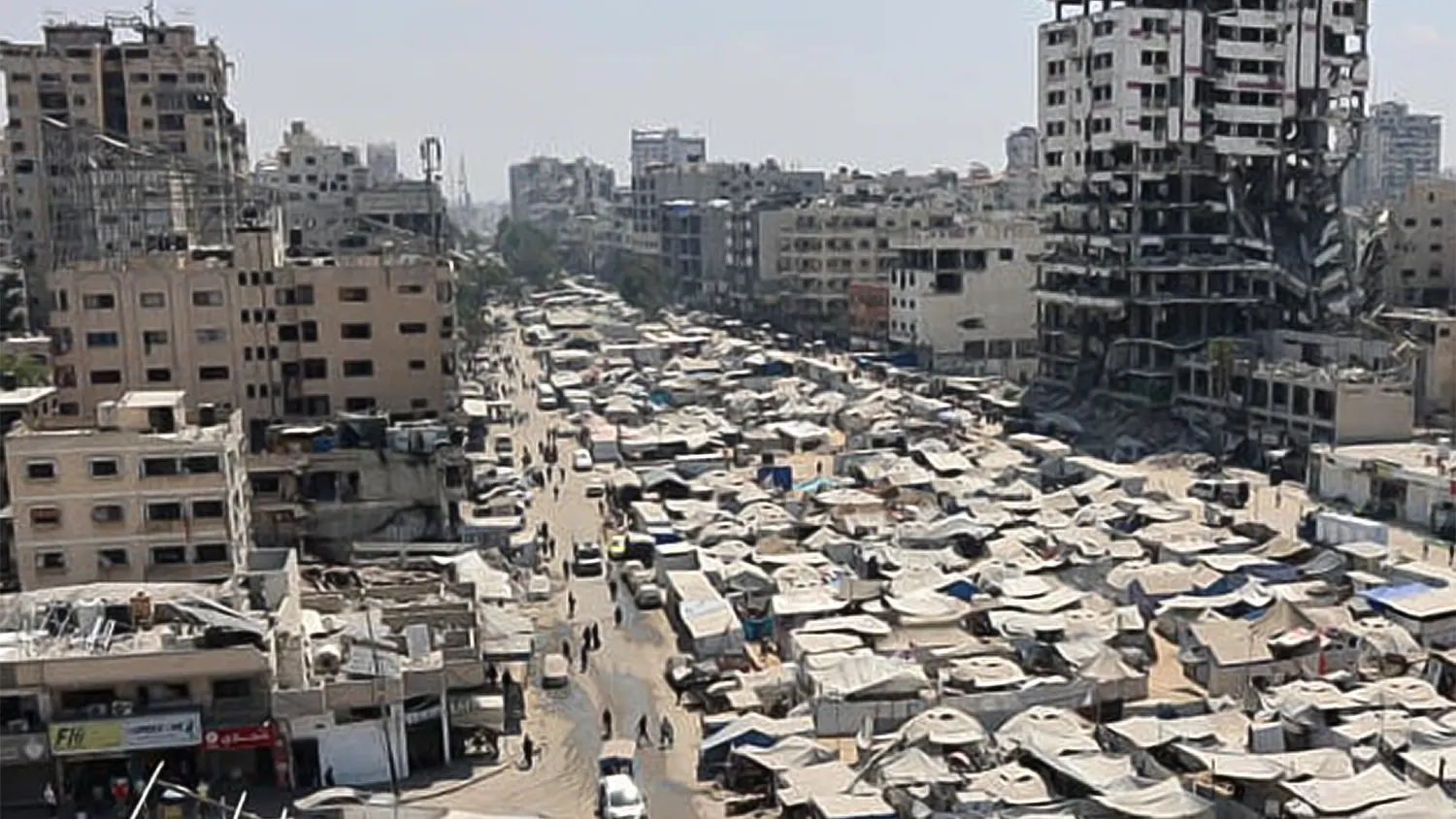
The urgency of this moment cannot be separated from the scale of suffering on the ground. Over 62,000 Palestinians have been killed in Gaza since the conflict began, according to current reports. The humanitarian situation has deteriorated into a full blown crisis, with widespread food shortages and starvation now documented across the territory.
In Israel, the war’s toll has taken a different but no less devastating shape. Hundreds of thousands of Israelis have taken to the streets in recent months, demanding that their government prioritize securing the release of the remaining hostages many of whom have now been held for well over a year.
The public pressure is real, it is growing, and it is impossible for any government to ignore indefinitely.
Netanyahu’s Position: Firm in Public, Uncertain in Practice
Israeli Prime Minister Benjamin Netanyahu has maintained a hardline public stance, reiterating Israel’s commitment to the complete disarmament of Hamas and the return of every hostage before any deal is sealed. Officially, Israel’s position has not shifted.
But behind that public posture lies a more complicated picture. Many Israeli officials, analysts, and hostage families believe that rejecting this deal would be a catastrophic miscalculation prolonging a war that has already extracted an enormous price, while potentially leaving remaining hostages with diminishing hope of return.
The tension between Netanyahu’s political survival and the mounting pressure from his own public is one of the defining dynamics of this moment.
What Happens Next
Mediators from Egypt and Qatar are now formally awaiting Israel’s official response. The coming days are being closely watched by governments, aid organizations, and families on both sides as a potential turning point.
The situation remains fluid. Ceasefire talks have collapsed before sometimes at the final hour. There are no guarantees here, and deep mistrust on all sides means that even an accepted deal will face enormous implementation challenges.
But the window is open. For the first time in a long time, a negotiated end to this conflict is within reach not certain, not guaranteed, but genuinely possible.
Whether that window stays open depends almost entirely on what Israel decides to do next.
The world is watching. The hostages are waiting. And the clock, as it always does in wars like this, keeps moving.