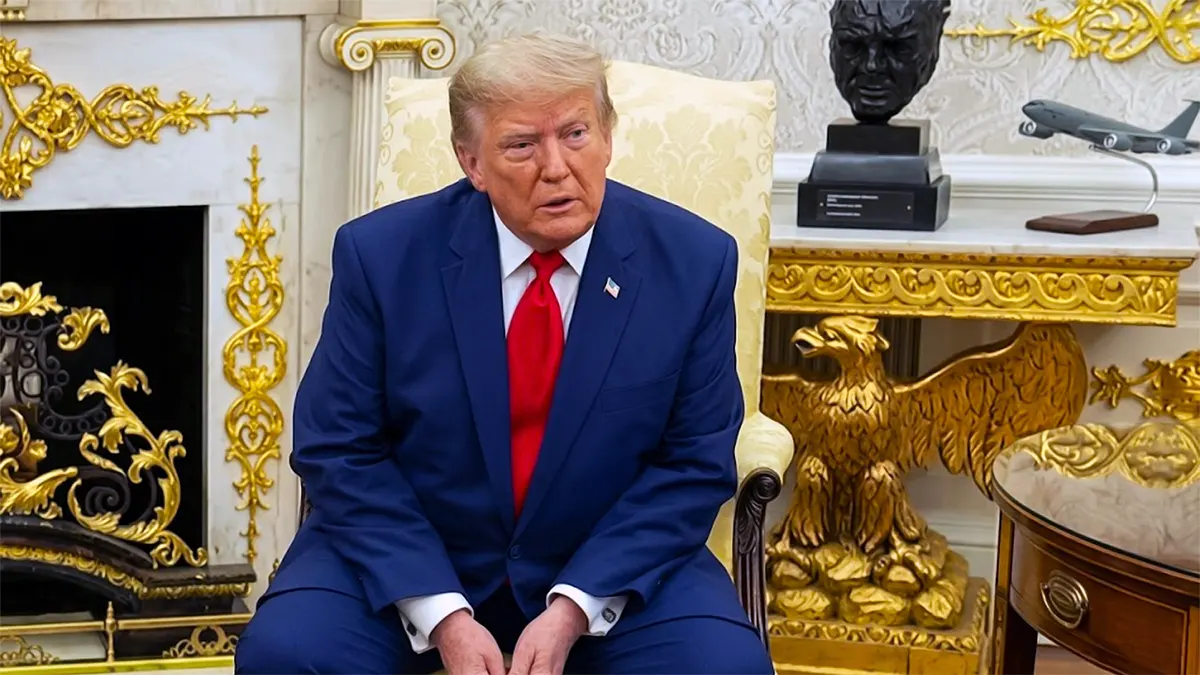
President Trump has signed three proclamations that could reshape trade with Canada, and he did it using a legal tool that hasn’t seen much daylight since the 1930s. The move invokes Section 338 of the Tariff Act of 1930, a rarely touched statute that lets a U.S. president slap tariffs as high as 50% on countries found to “discriminate” against American commerce.
The tariffs are set to take effect August 19, 2026, giving both sides a 30-day window before the duties actually hit. According to the U.S. Trade Representative, the measures will affect roughly $20 billion worth of Canadian exports.
Three Grievances Behind the Move
The White House isn’t calling this a blanket punishment, it’s framing it as a response to three specific complaints.
On automobiles, the administration points to Canada’s retaliatory 25% tariffs on non-USMCA U.S. vehicles, arguing these penalize American automakers that are shifting manufacturing back home.
On alcohol, the trigger is more direct: provincial liquor boards across Canada pulled U.S. wine, spirits, and beer off shelves starting in 2025. The White House notes that while American alcohol sales in Canada collapsed, European imports kept growing in that same space.
On dairy, the complaint centers on Canada’s supply management system. The administration says Ottawa hands European cheese exporters better tariff-rate quotas than American dairy farmers get, despite USMCA.
What’s Actually Getting Taxed
The list of covered goods is broad: wine, spirits, specialty dairy and cheese, cement, sports equipment like hockey sticks, flowers, raw hides, and a range of manufactured products. Notably, the administration says these tariffs apply even to goods that were previously shielded under USMCA.
Some categories are carved out, though. Energy products, potash, critical minerals, fish, and goods already under existing national security tariffs, like steel and aluminum are exempt.
Why USMCA Isn’t Stopping This
Here’s the part that matters most for understanding the strategy: the U.S. declined to renew USMCA in its current form on July 1, 2026, putting the deal on a short leash of mandatory annual reviews instead of extending it toward 2036. Rolling out 50% tariffs just weeks later, with a 30-day countdown attached, creates real pressure on Canadian negotiators to make concessions while the clock is running.
By reaching for Section 338 instead of standard trade tools, the administration also sidesteps the usual USMCA exemptions, a signal that a free trade agreement on paper won’t necessarily protect a country if Washington decides it isn’t being treated fairly. On top of that, the U.S. has been negotiating with Mexico and Canada separately rather than as a single three-way bloc, and talks with Mexico have reportedly moved faster. Isolating Canada with a targeted $20 billion tariff threat gives Washington more leverage to push for changes on dairy quotas, alcohol rules, and auto manufacturing.
U.S. Trade Representative Jamieson Greer has said the goal is straightforward: lower trade deficits and more North American manufacturing content shifted onto U.S. soil.
Canada Pushes Back But Doesn’t Escalate Yet
Prime Minister Mark Carney has called the 50% tariffs a direct violation of USMCA, arguing the treaty strictly limits new duties between member nations. Carney also says Ottawa already submitted detailed proposals to Washington covering dairy, autos, and alcohol before the announcement dropped.
Rather than firing back immediately, Canada is using the 30-day window to push for intensive bilateral negotiations ahead of the August 19 deadline. Carney has convened the Canada–U.S. Advisory Council and held emergency meetings with provincial premiers to present a unified front, and he’s spoken directly with Trump about accelerating talks.
That said, domestic pressure is building. Provincial leaders Ontario Premier Doug Ford among them are calling for Canada to match any U.S. tariffs “dollar for dollar, tariff for tariff” if the 50% duties actually take effect.
The Boycott That Started It All
The provincial alcohol boycotts sit at the center of this fight. Eight provincial liquor authorities, including Ontario, Quebec, and British Columbia, pulled American wine, spirits, and beer from shelves starting in 2025 in response to earlier U.S. tariffs. The impact was steep: an estimated 81% collapse, roughly $582 million in U.S. alcohol exports to Canada over twelve months.
B.C. Premier David Eby has made it clear the boycott isn’t going anywhere soon, saying there’s no chance American alcohol returns to British Columbia shelves until a broader deal is reached.
Canada’s position under Carney has been consistent: no unilateral concessions. The retaliatory tariffs on autos and the dairy quotas stay in place unless the U.S. eases its own tariffs on Canadian steel, aluminum, auto parts, and forest products first.
The bottom line: both countries are holding their strongest cards back rather than playing them. Canada has kept its existing bans and counter-tariffs in place while quietly preparing a fresh retaliation package, and the U.S. has left a 30-day gap before enforcement instead of triggering the tariffs immediately. Whether that gap turns into a deal or a full-blown trade fight depends on what happens at the negotiating table before August 19.