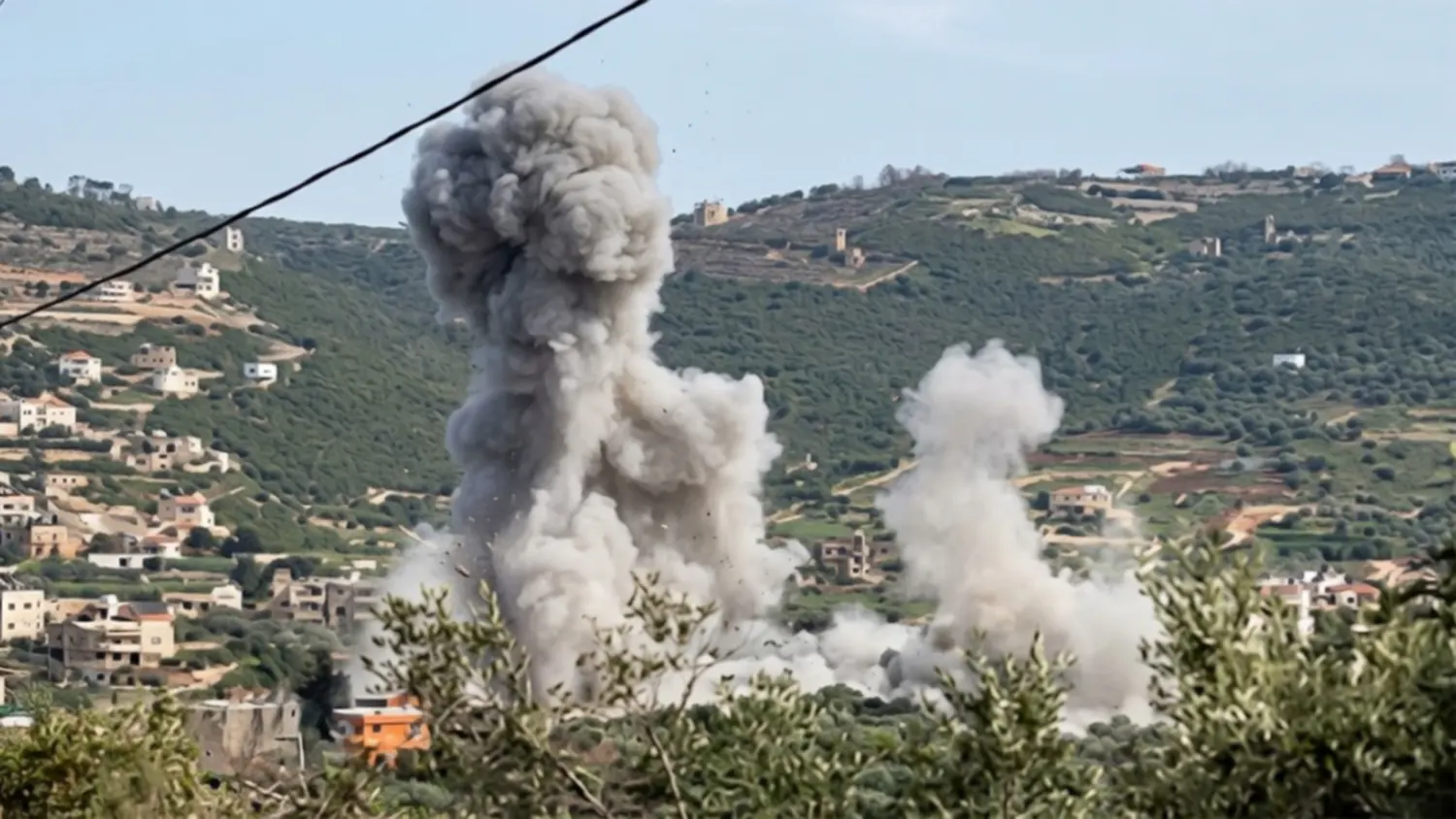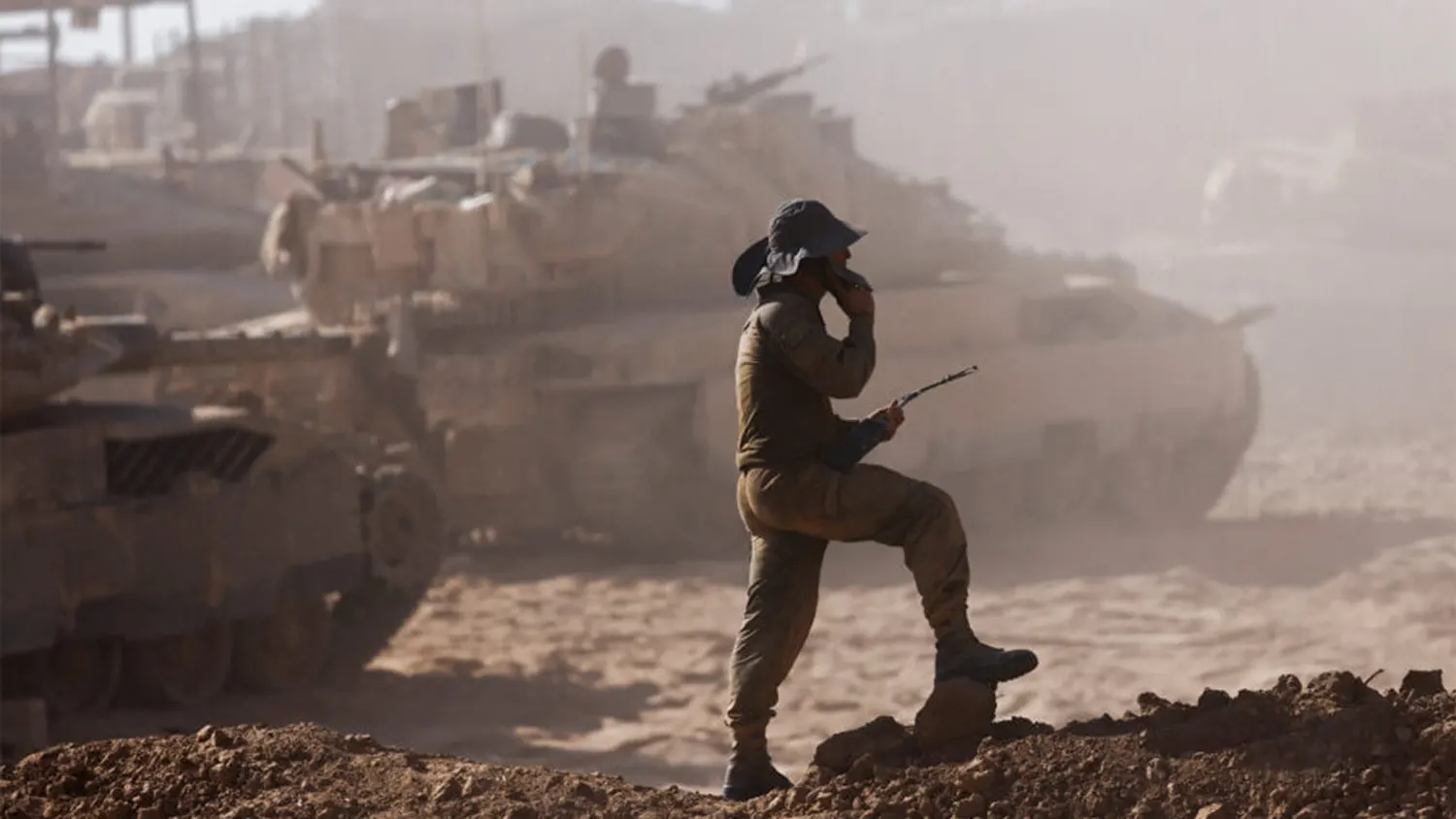
The situation in Gaza took a sharp turn when Israel formally declared Gaza City a combat zone and launched a large scale military offensive to seize control of the territory’s most populated area. The announcement sent shockwaves across the international community, with European governments and humanitarian organizations raising urgent alarms over what could become one of the deadliest phases of the war.
The IDF Moves In And Aid Stops With It
The Israel Defense Forces confirmed they had entered the “initial stages” of a planned offensive to capture Gaza City, a densely populated urban center that has already endured weeks of relentless aerial bombardment. Alongside the ground push, Israel suspended its “tactical pauses” brief windows that had previously allowed limited humanitarian aid to enter the territory.
Military officials framed the operation as essential to dismantling Hamas’ hold over Gaza. But rights groups were quick to warn that fighting inside one of the world’s most densely populated areas could result in massive civilian casualties, with nowhere safe left for residents to flee.
A Famine Warning With Nowhere to Run
The United Nations Relief and Works Agency (UNRWA) warned that the offensive could displace up to one million Palestinians, many of whom had already been uprooted from southern and central Gaza and sought refuge in Gaza City. Now, even that refuge is under fire.
Making matters worse, the UN formally declared a famine in Gaza, raising fears that cutting off aid routes would accelerate widespread starvation. With infrastructure destroyed and supply lines blocked, humanitarian organizations warned that civilians face “a horrific impact” in the days immediately ahead.
European Outrage, but No Unified Front
The offensive drew swift and sharp condemnation from several European governments. The foreign ministers of Iceland, Ireland, Luxembourg, Norway, Slovenia, and Spain issued a joint statement calling on Israel to halt operations immediately. They warned the assault would endanger hostages and cause “intolerable deaths of innocent Palestinian civilians.”
Yet the European Union itself remains divided. While some member states are pushing for stronger measures including potential sanctions on Israel others have resisted, exposing deep political fractures within the bloc and leaving any unified European response uncertain.
Hostages Caught in the Crossfire
As ground operations got underway, Israel announced the recovery of the remains of two hostages. Hamas, for its part, claimed its fighters were on high alert and that hostages are being held within active combat zones effectively placing them at the same level of danger as front-line combatants.
The hostage crisis continues to complicate diplomatic efforts, with international mediators struggling to find a path that addresses both civilian safety and the return of those still held captive.
Washington Walks a Fine Line
The United States has not explicitly endorsed or opposed Israel’s escalation. Washington continued to assert Israel’s right to self-defense, even as pressure grows domestically and internationally for a more decisive stance on the humanitarian situation.
In a move that drew strong criticism from Palestinian officials, the U.S. also denied visas to members of the Palestinian Authority and the PLO ahead of a scheduled UN General Assembly session. American officials cited the groups’ refusal to fully repudiate terrorism as the justification, a decision that deepened tensions between Washington and Palestinian leadership at a critical moment.
A Battle That Could Define the War
Analysts warn that the fight for Gaza City may become the deadliest chapter of the entire conflict, with consequences that stretch far beyond the Middle East. Humanitarian organizations are intensifying calls for an immediate ceasefire, and Israel’s international standing faces a growing stress test as the civilian toll rises.
With global condemnation mounting by the day and conditions on the ground deteriorating by the hour, the pressure on Israel to reconcile its military goals with international demands for restraint is only going to intensify.