The conflict between Israel and Hamas has entered a dangerous new phase after the Israel Defense Forces launched a large-scale ground offensive into Gaza City.
The military operation follows weeks of intense airstrikes and troop mobilization near northern Gaza. Israeli officials say the offensive is aimed at destroying Hamas infrastructure and rescuing hostages still believed to be held inside the territory.
At the same time, humanitarian organizations are warning that the assault could dramatically worsen an already devastating humanitarian crisis affecting civilians across Gaza.
Israeli Troops Push Into Gaza City
According to Israeli military officials, the operation involves thousands of troops supported by tanks, armored vehicles, artillery units, and air support.
The offensive is centered on Gaza City, one of the most densely populated urban areas in the world and a key stronghold for Hamas.
Israeli forces say they are targeting:
- underground tunnel systems
- weapons storage facilities
- Hamas command centers
- militant infrastructure hidden within civilian areas
Military spokesperson Lt. Col. Daniel Regev stated that the operation is being conducted with “precision and restraint,” while emphasizing Israel’s goal of eliminating threats posed by Hamas.
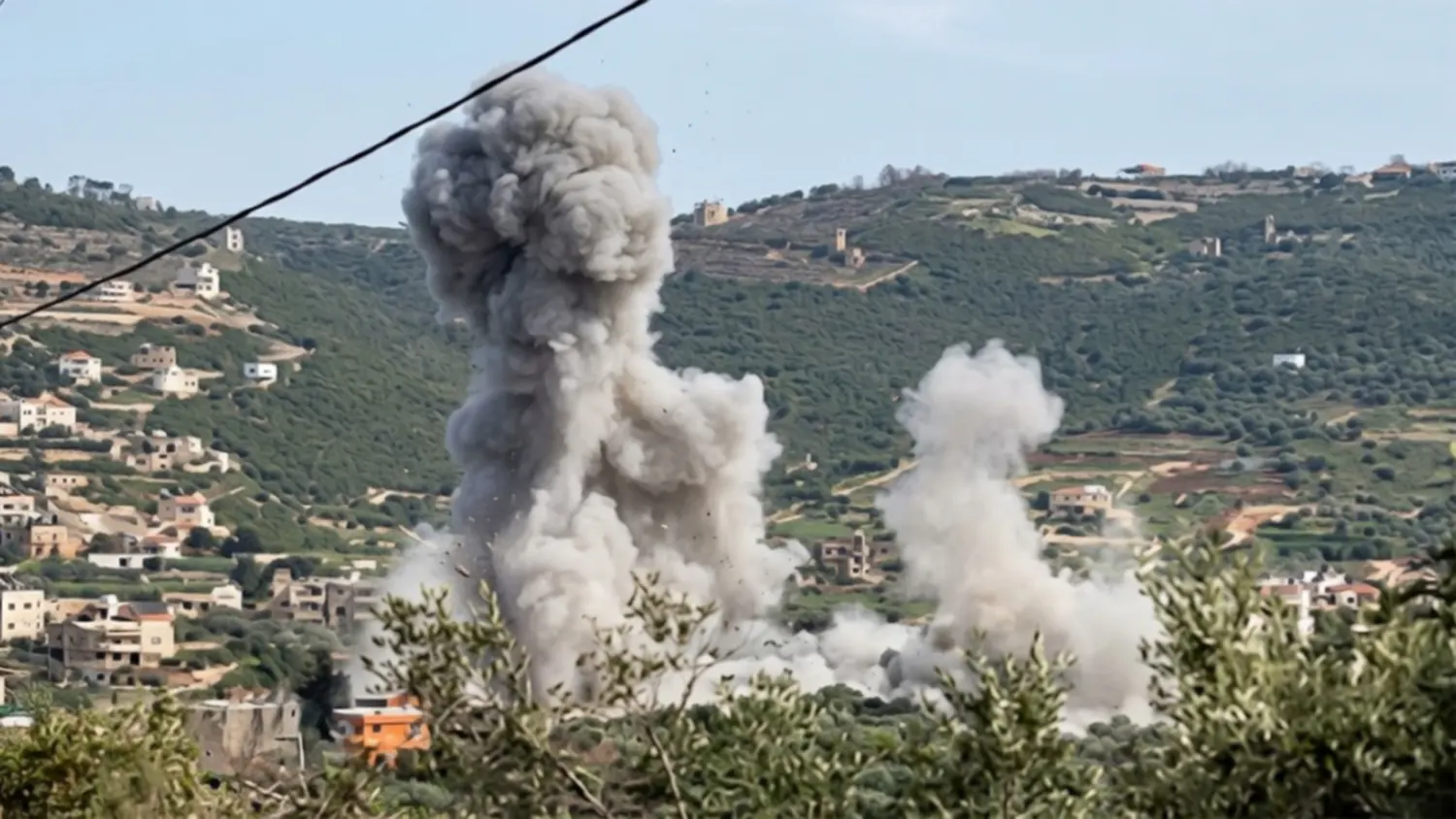
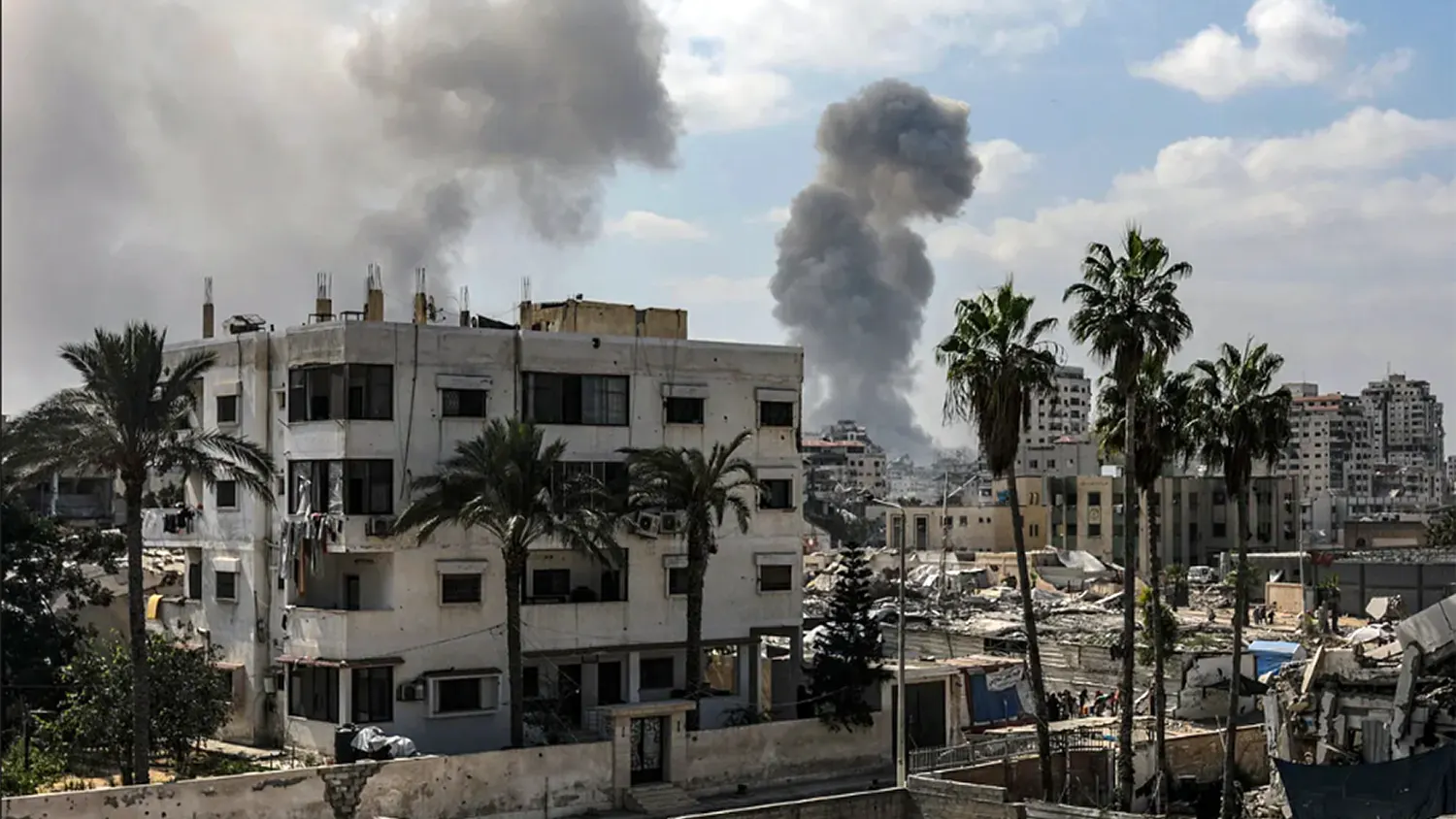
However, images and videos emerging from Gaza show widespread destruction across residential neighborhoods, raising growing concerns about civilian safety and the scale of the operation.
Civilians Struggle to Escape the Fighting
As the offensive intensifies, hundreds of thousands of civilians remain trapped inside Gaza City.
The Israeli military has urged residents to evacuate through temporary humanitarian corridors, including routes along Salah al-Din Street. Warnings have reportedly been sent through text messages, leaflets, loudspeakers, and phone calls.
Despite those evacuation efforts, many residents have been unable to leave.
Humanitarian groups and United Nations agencies say several factors are preventing safe evacuation, including:
- lack of transportation
- fuel shortages
- overcrowding in southern Gaza
- ongoing airstrikes and insecurity along routes
Médecins Sans Frontières warned that safe zones inside Gaza are becoming increasingly difficult to identify.
Aid workers say shelters in southern Gaza are already overwhelmed with displaced families living in worsening conditions.
Food, Water, and Medical Supplies Running Out
Humanitarian conditions across Gaza continue to deteriorate rapidly.
Hospitals are struggling to function due to fuel shortages, damaged infrastructure, and limited medical supplies. Several health facilities in northern Gaza have reportedly stopped operating entirely.
The World Health Organization and United Nations Office for the Coordination of Humanitarian Affairs have called for immediate humanitarian pauses to allow aid deliveries and evacuations.
Meanwhile, the World Food Programme warned that parts of Gaza are facing famine-like conditions, with severe shortages affecting large portions of the population.
UNICEF also reported rising disease outbreaks among children living in overcrowded shelters without reliable access to clean water or healthcare.
Hostage Rescue Remains a Central Objective
Israeli officials say one of the primary goals of the ground offensive is recovering hostages captured during earlier stages of the conflict.
Israeli intelligence estimates that dozens of hostages may still be held underground in Hamas tunnel networks beneath Gaza City.
Military analysts say urban warfare inside Gaza presents major challenges because of:
- dense civilian populations
- narrow streets and damaged infrastructure
- underground tunnel systems
- the risk of civilian casualties during combat
Some analysts describe the situation as one of the most difficult urban combat environments in modern warfare.
International Pressure on Israel Continues to Grow
The military escalation comes as Israel faces increasing international scrutiny over the humanitarian impact of the war.
Shortly before the ground operation began, a United Nations commissioned panel released findings accusing Israel of actions that could potentially violate international law.
Israeli leaders strongly rejected the accusations, calling them politically motivated and defending the offensive as an act of self defense.
Prime Minister Benjamin Netanyahu stated that Hamas bears responsibility for operating within civilian areas and accused the group of using civilians as shields.
Global reactions remain sharply divided.
The United States has continued supporting Israel’s right to defend itself while urging restraint and greater humanitarian access.
Meanwhile, countries including France, South Africa, and Brazil have called for an immediate ceasefire and investigations into possible violations by all parties involved.
Fears of a Wider Regional Conflict
The Gaza offensive is also increasing fears of a broader regional war.
Tensions along Israel’s northern border with Lebanon remain high, with reports suggesting increased activity by Hezbollah near disputed border areas.
Iran has condemned the Israeli offensive and warned of possible regional consequences if the humanitarian crisis continues to worsen.
Meanwhile, Jordan and Egypt have expressed concern over the growing instability and the potential impact on neighboring countries already dealing with refugee pressures.
Diplomatic efforts involving Qatar, Egypt, and the United Nations continue behind the scenes, though no major breakthrough has been announced.
A Conflict With No Clear End in Sight
As fighting intensifies inside Gaza City, concerns continue growing over civilian casualties, infrastructure destruction, and long term regional instability.
With both Israel and Hamas maintaining hardline positions, analysts warn that the next stage of the conflict could become even more destructive.
For now, millions of civilians remain caught in the middle of a war that shows few signs of immediate de-escalation.