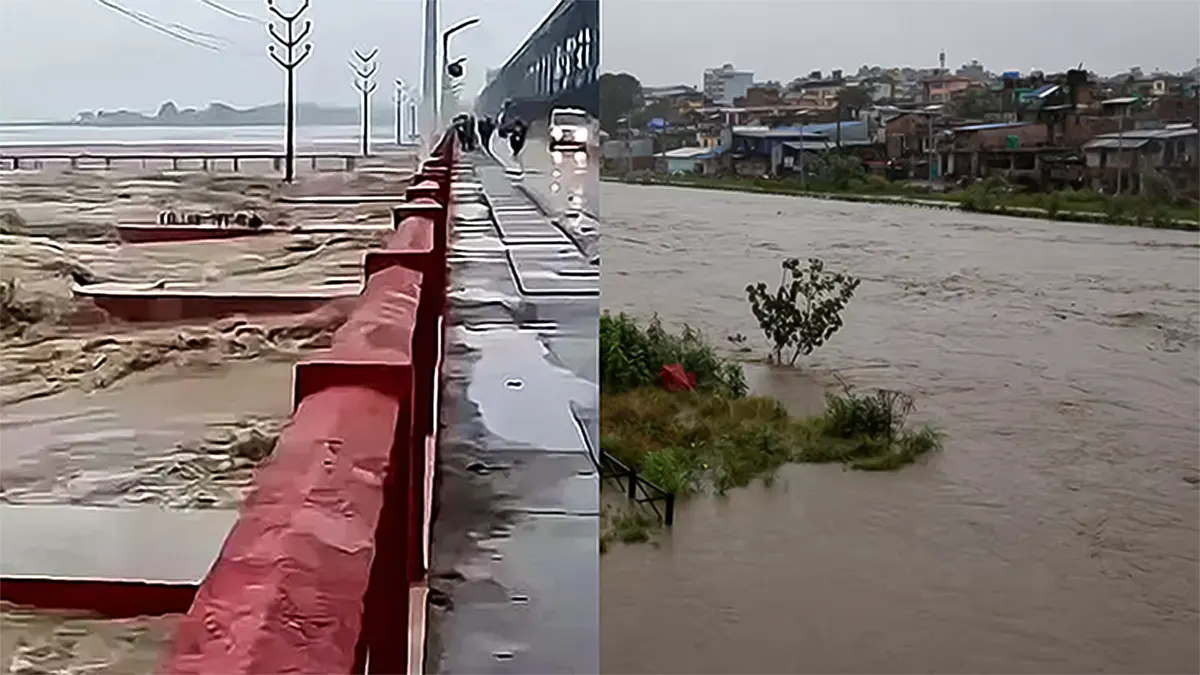
Nepal is reeling from a devastating disaster after unexpected heavy rains triggered widespread landslides and flash floods across several regions of the country, killing at least 47 people and leaving others missing. The extreme weather struck just days after families celebrated Dashain, Nepal’s biggest festival, catching many communities off guard and causing extensive damage to homes, roads, and vital infrastructure.
The eastern district of Ilam has emerged as the hardest-hit area, where entire hillsides collapsed under the force of relentless rainfall, burying villages and destroying livelihoods. Rescue teams continue to search for survivors as authorities struggle to reach isolated communities cut off by blocked roads and damaged transport links.
Ilam Faces the Worst of the Disaster
Known for its scenic tea plantations and rolling green hills, Ilam has become the center of a humanitarian tragedy. Successive landslides swept through several villages, destroying homes and claiming dozens of lives.
Many residents reported being awakened by the sound of collapsing hillsides during the night. Within minutes, powerful torrents of mud and debris engulfed homes, leaving families with little time to escape.
Local communities described the rainfall as unusually intense for this time of year. Many believed the monsoon season had already ended, making the sudden storms even more alarming.
The disaster has left survivors grieving lost relatives while also facing the daunting challenge of rebuilding their lives in devastated communities.
Unseasonal Rainfall Raises Climate Concerns
The timing of the disaster has drawn attention from climate experts and meteorologists. Nepal’s monsoon season typically concludes by late September, but the heavy rains that began in early October brought unusually high rainfall totals across already saturated landscapes.
Scientists warn that changing climate patterns are increasing the likelihood of extreme weather events occurring outside traditional seasonal windows. Such shifts can intensify flooding, landslides, and other natural hazards in mountainous countries like Nepal.
With steep terrain and fragile slopes, Nepal remains highly vulnerable to heavy rainfall, and experts fear that similar unseasonal events could become more common in the future.
Transportation Network Severely Disrupted
The impact of the disaster extends far beyond the affected villages. Massive landslides and flooding have blocked major highways, disrupting travel across large parts of the country and isolating communities from emergency assistance.
Several key road connections linking Kathmandu with other regions were rendered impassable as mudslides buried stretches of roadway and rivers overflowed their banks. Domestic flight operations also faced significant disruptions, complicating rescue and relief efforts.
The timing of the disaster created additional challenges because it occurred during a period of heavy travel following the Dashain holiday. Thousands of people were returning home or traveling across the country, leaving many stranded as transport routes suddenly closed.
Rescue Teams Race Against Time
Emergency responders have been working under dangerous conditions to search for missing individuals and assist displaced residents. Rescue efforts have been slowed by ongoing rainfall, unstable terrain, and the constant threat of additional landslides.
Authorities reported that several people remain unaccounted for, prompting continued search operations in some of the hardest-hit districts. Teams are using heavy equipment where possible, but many remote locations remain difficult to access due to damaged roads and debris-covered pathways.
Relief agencies are also focusing on providing shelter, food, and medical assistance to families affected by the disaster.
Koshi River Surges Above Warning Levels
The extreme rainfall has also caused rivers across Nepal to swell rapidly. In southeastern Nepal, water levels in the Koshi River rose above warning thresholds, prompting authorities to take emergency measures.
Officials opened all 56 sluice gates at the Koshi Barrage to manage the enormous volume of water flowing through the river system. The move was intended to reduce pressure on flood-control infrastructure and minimize the risk of severe downstream flooding.
Authorities continue to closely monitor river conditions as communities along flood-prone areas remain on alert.
Regional Impact Extends Beyond Nepal
The weather system responsible for the disaster has affected neighboring regions as well. Parts of India, particularly the Darjeeling area of West Bengal, reported flooding, landslides, and fatalities linked to the same period of intense rainfall.
The combined death toll across Nepal and India has surpassed 60, highlighting the broader regional impact of the extreme weather event.
Officials in both countries continue to assess damage while coordinating emergency response efforts in affected communities.
A Reminder of Nepal’s Growing Vulnerability
As Nepal begins the long process of recovery, the disaster underscores the country’s ongoing vulnerability to floods and landslides. Mountainous terrain, rapid urban development, and increasingly unpredictable weather patterns create significant risks for millions of people.
Experts emphasize the importance of strengthening infrastructure, expanding early warning systems, and improving disaster preparedness measures to reduce future losses.
For many communities in Ilam and other affected districts, however, the immediate focus remains on recovery, mourning loved ones, and rebuilding homes destroyed by one of the most destructive post-monsoon weather events in recent years.