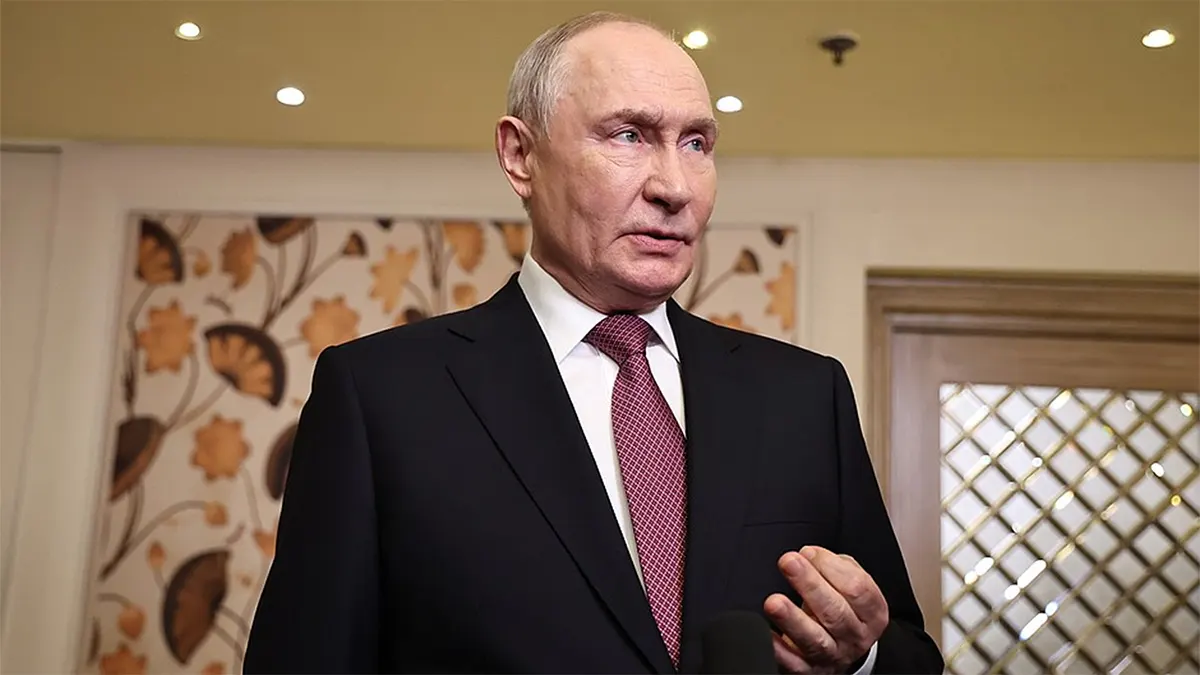
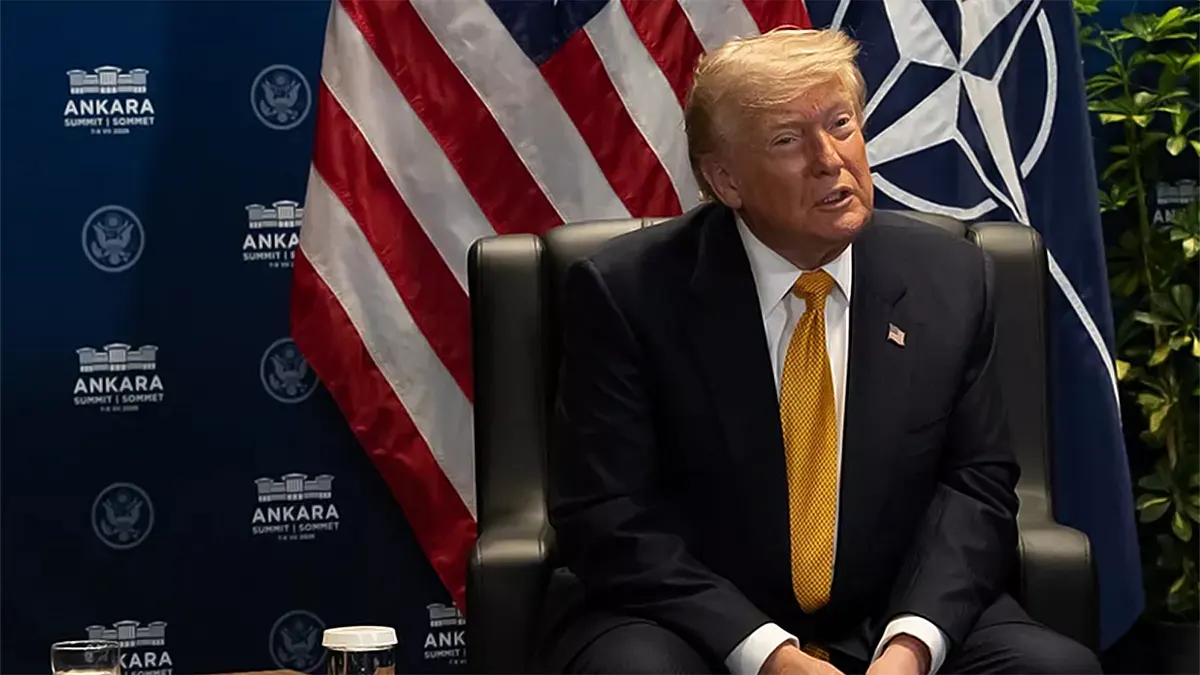
The fragile truce between the United States and Iran didn’t survive the summer. Speaking at the NATO summit in Ankara on July 8, 2026, President Trump told reporters flatly: “I think it’s over. I don’t want to deal with them anymore. They’re scum.”
It was a striking moment not because Trump used harsh language, but because of where he said it. Standing beside NATO Secretary General Mark Rutte at a summit meant to focus on European defense spending, the president instead spent much of his time addressing a war that had just reignited on the other side of the world.
A Ceasefire That Barely Lasted a Month
The deal Trump declared dead was the Islamabad Memorandum of Understanding, signed in mid-June with Swiss facilitation. It established a 60-day ceasefire, reopened the Strait of Hormuz to commercial traffic, and gave Iran a temporary waiver to resume oil exports. For a few weeks, it seemed to hold shipping through the strait even recovered to 76 vessels a day at its peak.
Then it unraveled fast. Iran began forcing tankers onto a specific approved shipping route rather than the U.S.-backed path near Oman, and that escalated into drone and projectile attacks on three commercial tankers, including Qatari and Saudi vessels. In response, the U.S. Treasury yanked the oil sanctions waiver that had been the financial centerpiece of the deal for Iran, giving companies just 10 days to wind down operations.
From there, things moved quickly toward open conflict.
Two Nights of Strikes, and a Warning for a Third
U.S. Central Command launched a wave of strikes hitting more than 80 targets along Iran’s southern coastline and Qeshm Island radar networks, missile sites, and more than 60 IRGC small attack boats used to enforce Iran’s grip on the strait. Iran’s Revolutionary Guard retaliated, firing on U.S. military facilities in Bahrain and Kuwait and claiming to have shot down an American MQ-9 Reaper drone.
Trump didn’t downplay any of it. “And so we hit them very hard last night,” he said. “Very, very hard. Probably hit them hard again tonight. I’ll give them a little warning, we’re going to hit them hard again tonight.”
He also floated reinstating the naval blockade of Iranian ports that had been lifted under the MoU one that, by U.S. military accounts, had intercepted more than 140 ships during its earlier run.
“Denuclearization,” Not Regime Change, Mostly
Trump was careful to frame the campaign around one specific goal. “It’s not about regime change,” he said, before immediately complicating that claim: “Although I think it’s regime change when you knock out the first group, the second group… I think that’s maybe the ultimate regime change.”
His central point, repeated multiple times, was narrower: Iran cannot be allowed to have a nuclear weapon. He described a recurring pattern in negotiations where Iranian officials appear to agree to terms in private meetings, only to publicly deny the conversation ever happened. “They’re cuckoo,” he said. “There’s something wrong with these people.”
He also argued the strikes had already shifted the regional balance of power, claiming Iran had spent 47 years as “the bully of the Middle East” and no longer holds that position.
A Funeral That Closed the Door on Diplomacy
The timing of the collapse lines up closely with one of the most consequential events in Iran’s recent history: the funeral of Ayatollah Ali Khamenei, who was killed in a U.S.-Israeli airstrike on February 28, the opening day of the war. Security concerns and wartime logistics delayed the ceremony for months, it finally took place across six days, from July 3 to July 9, stretching from Tehran to Qom to Mashhad, with processions also held in Najaf and Karbala, Iraq.
The funeral became less a mourning ritual than a display of defiance. Crowds numbering in the millions chanted for revenge against the U.S. and Israel, and banners reportedly called for a $100 million bounty on Trump. For a regime whose legitimacy is bound up in resisting American and Israeli pressure, using the moment to signal compromise was never realistic.
Complicating things further: Khamenei’s son and named successor, Mojtaba Khamenei, was formally installed as the new Supreme Leader back in March but has still not appeared publicly. He’s believed to have been seriously wounded possibly losing a leg in the strike that killed his father, mother, and wife, and Iranian officials reportedly barred him from attending the funeral over assassination fears. That leaves Iran’s new leadership trying to project strength and continuity while its actual leader remains hidden and unverified in public.
Where Israel Fits In
Israel co-launched the original war against Iran back in February under the codename Operation Roaring Lion, but for this specific round of strikes, the U.S. acted alone. Trump addressed the gap directly at the summit, saying he was “testing” allies to see who would step up to help protect Gulf shipping lanes and naming names. “Italy turned us down, and Germany turned us down, and France turned us down,” he said, questioning why the U.S. spends heavily on defense while allies sit out.
Israel’s own attention has been split. It signed a U.S.-brokered ceasefire framework with Lebanon on June 26, aimed at disarming Hezbollah and pulling Israeli troops back across the border, a fragile arrangement that saw fresh Israeli strikes in southern Lebanon even as the Iran situation escalated. With new peace talks scheduled in Rome on July 14–15, Israel appears focused on stabilizing its northern front rather than reopening a second one, even as its intelligence services stay closely coordinated with U.S. Central Command.
What Comes Next
NATO’s Rutte offered his own endorsement of the strikes, calling the U.S. response “absolutely necessary” given what he described as Iran’s ceasefire violations. Trump, for his part, left the door for talks technically open, noting that envoys Steve Witkoff and Jared Kushner still want to negotiate while making clear he personally views further diplomacy as “a waste of time.”
With a second night of strikes already promised, a new and unproven Iranian leadership under pressure to respond, and the 60-day diplomatic window effectively voided weeks early, both countries appear to be settling back into active conflict rather than pursuing a permanent resolution.