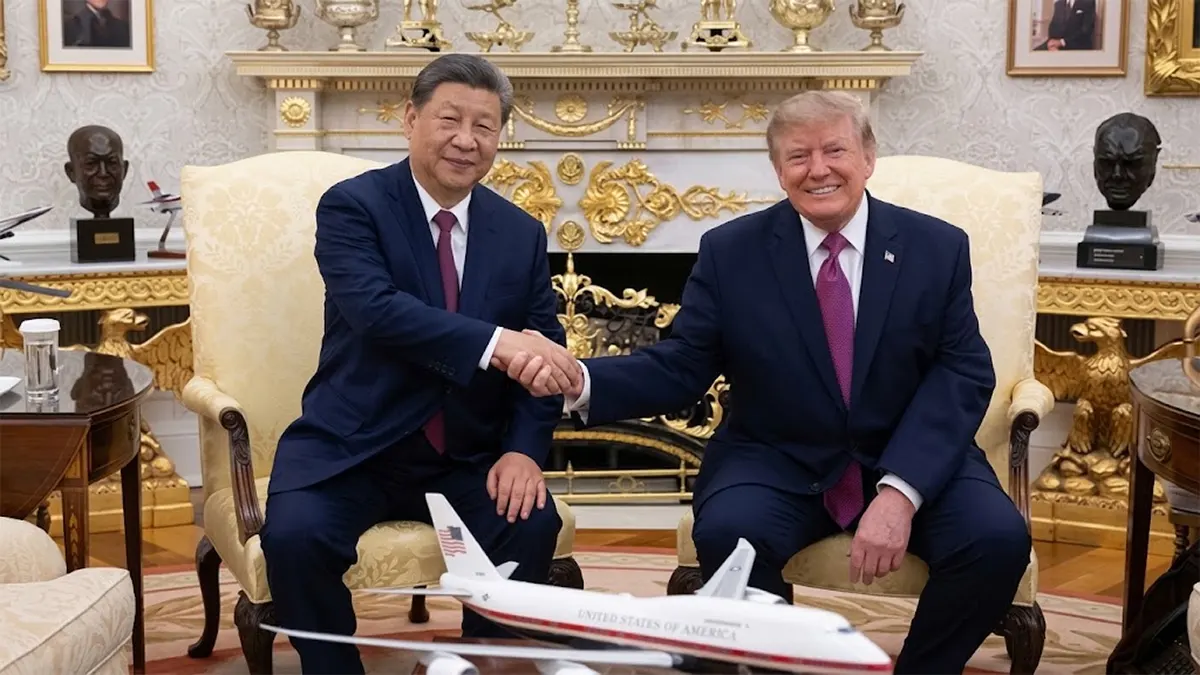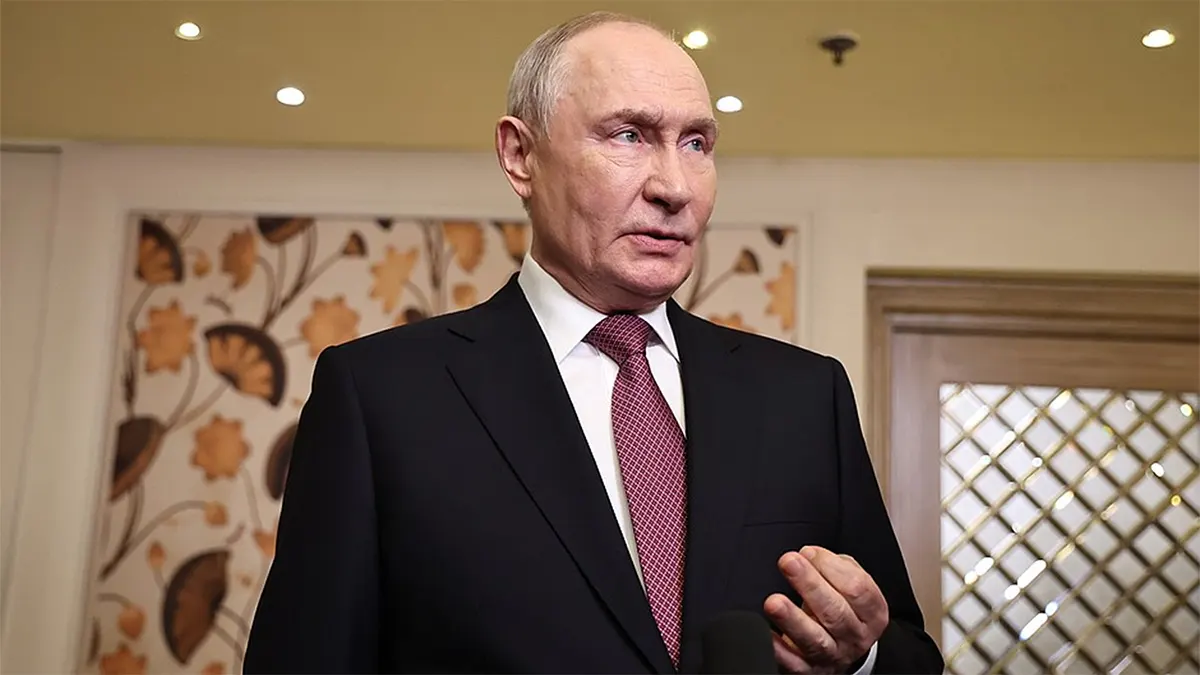
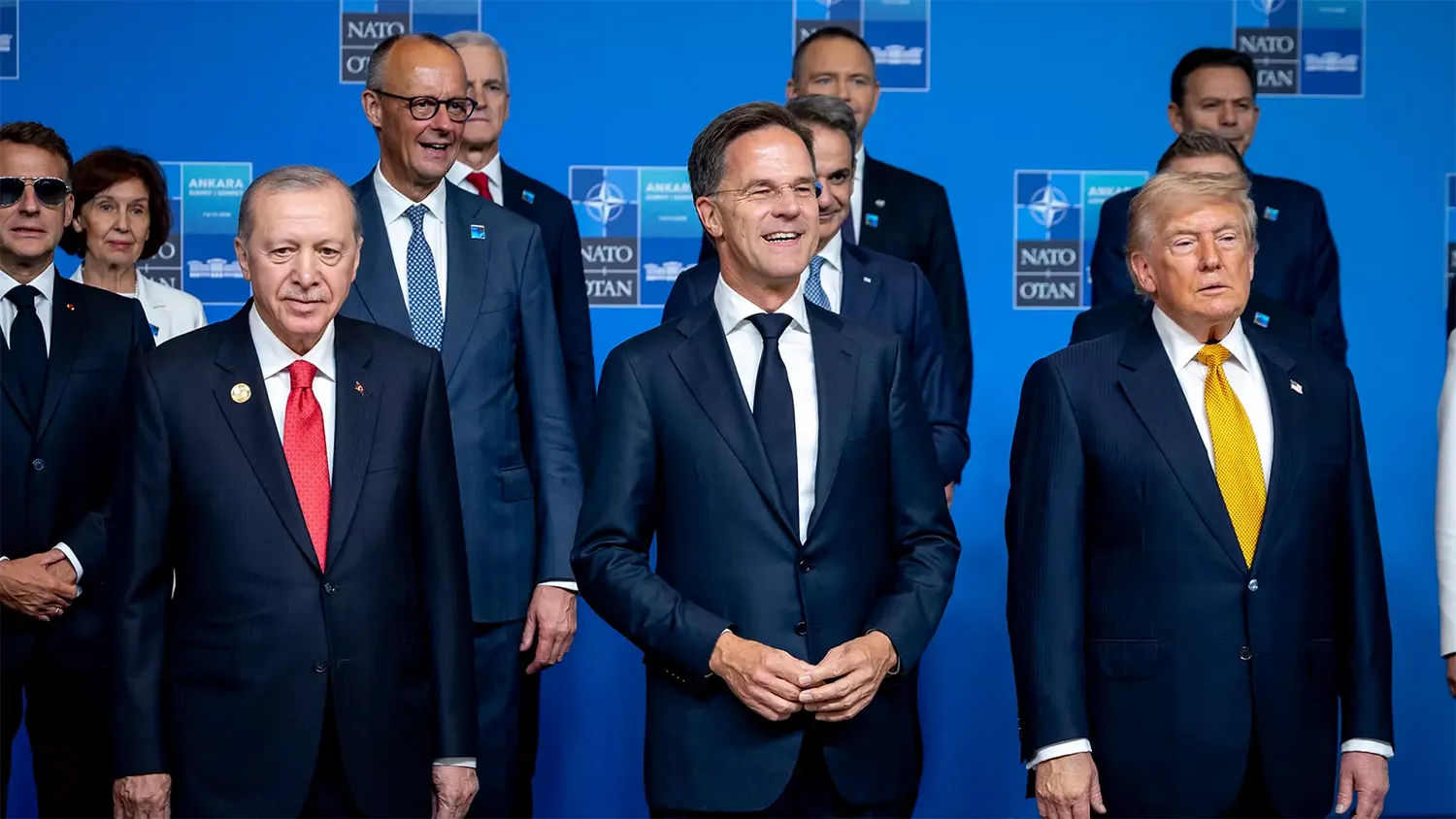
NATO exists on one core promise: an attack on one member is an attack on all. So when the leader of the alliance’s most powerful military stood on the summit floor in Ankara this week and openly pushed to take territory belonging to Denmark, a founding NATO member, it didn’t just ruffle feathers. It exposed a contradiction the alliance was never built to handle.
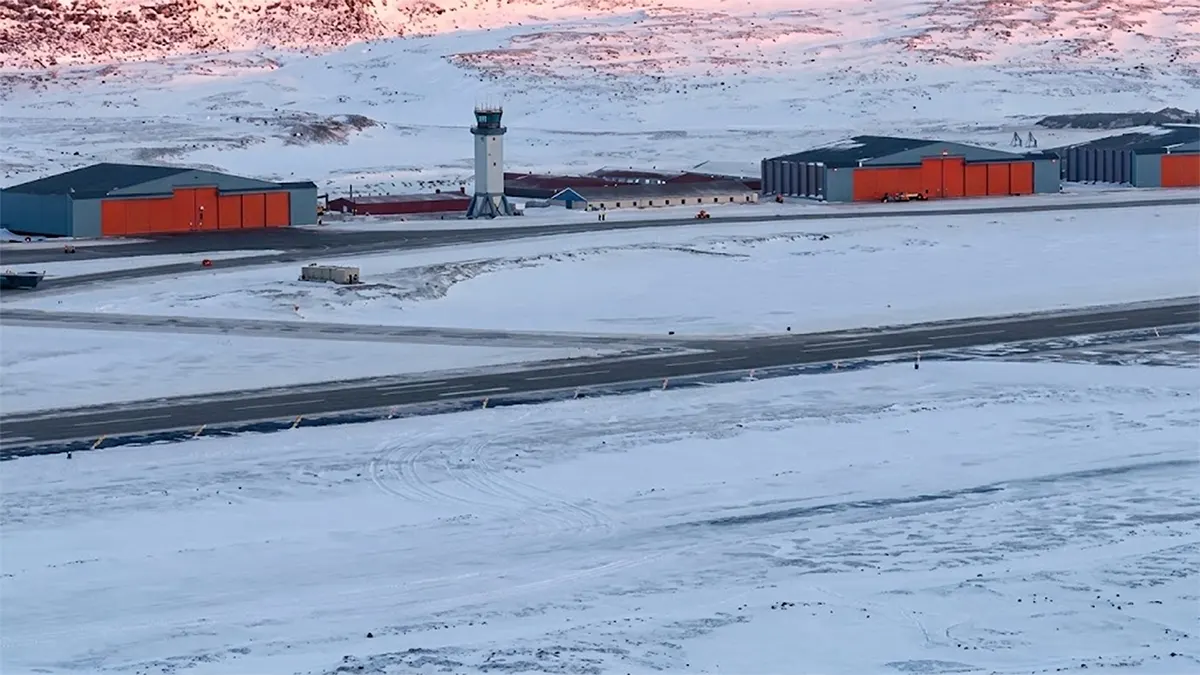
President Trump arrived in Ankara for the two-day NATO summit and wasted no time reviving a fight most assumed had cooled. “We need it for protection of the world, not just the United States,” he said of Greenland, adding that the Arctic territory was “very important” for the U.S. “but it is not important for Denmark.” At another point, he put it more bluntly: “We took Greenland and then stupidly we gave it back. We shouldn’t have given it back to them because we’re the ones that need it.”
Denmark’s Answer: Firm, Calm, and Unmistakable
Danish Prime Minister Mette Frederiksen didn’t flinch. “Greenland is, of course, not for sale,” she told reporters, adding that she expects “all, including all allies, will respect the Greenlandic people’s right for self-determination.”
When a reporter pushed further asking directly whether Denmark was prepared to militarily defend Greenland against an attack from any party Frederiksen gave an answer that managed to be both diplomatic and pointed. “We are ready to defend every inch of NATO, including our own territory,” she said, before invoking the alliance’s founding logic: “One of the reasons why we have built NATO many, many years ago is if anything happens to one of us, then everybody should stand up for each other.”
She never named Trump as a threat. She didn’t have to. By reminding the room that Article 5 exists precisely so that “if anything happens to one of us” the whole alliance responds, she quietly put the burden of breaking NATO’s own rules back on Washington’s shoulders. Asked directly if she still believed the U.S. was committed to Article 5, her answer was similarly careful: “I haven’t heard that they are not committed.”
A Fracturing Room
Denmark wasn’t alone. Iceland’s Prime Minister Kristrún Frostadóttir backed Copenhagen immediately, stating plainly that Greenlanders “do not wish to be a part of the United States.” Greenland’s own Foreign Minister, Múte Egede, said the territory’s future should be decided by its people not discussed on a summit stage it wasn’t even scheduled to appear on.
Behind the scenes, NATO Secretary General Mark Rutte worked to keep the room from fully splintering. Rather than confronting Trump directly on Greenland, Rutte leaned into what’s become a familiar strategy: highlighting the tens of billions of dollars in new European arms contracts and defense spending increases that member states have rolled out under U.S. pressure. He also publicly backed Trump’s overnight strikes on Iran, calling them “absolutely necessary,” a move widely read as an attempt to keep Trump in a good enough mood to let the Greenland issue slide.
It didn’t fully work. Trump left the summit saying he was “very disappointed with NATO,” and he didn’t stop at Greenland.
Spain Gets Dragged In Too
In a separate flashpoint, Trump singled out Spain, calling it a “terrible partner” in NATO for lagging on defense spending targets and not backing his position on Iran. He reportedly directed Treasury Secretary Scott Bessent to cut off trade with Madrid, escalating a dispute that Spanish officials have characterized as coercive. The timing widened an already tense rift between Washington and the EU, layering a trade fight on top of a territorial one.
Still, allies like UK Prime Minister Keir Starmer and German Chancellor Friedrich Merz tried to project unity as the summit wrapped, and the closing NATO declaration reaffirmed that “an attack on one is an attack on all.” Trump, notably, ended the summit on a softer note than he started it, praising the alliance’s progress toward higher defense spending and calling the meeting’s collective spirit strong even as the Greenland question remained completely unresolved.
What Happens If Rhetoric Becomes Reality
For now, both sides are playing a careful game: Europe absorbs Trump’s rhetoric while quietly refusing to treat a Greenland handover as a live policy option, and Trump keeps the pressure on without taking concrete action. But the scenario underneath it all is one NATO’s founders never planned for.
On paper, Article 5 is unambiguous, an armed attack on any member, including autonomous Danish territory like Greenland, obligates every other ally to respond, up to and including armed force. In practice, that guarantee depends entirely on the U.S. supplying the muscle behind it, the nuclear deterrence, the satellite intelligence, the logistics. If Washington became the aggressor rather than the guarantor, the mechanism has no real answer. As Norwegian Foreign Minister Espen Barth Eide put it earlier this year, “the idea of NATO will be broken if the US takes Greenland.”
Denmark and eight NATO allies already tested a preview of that scenario earlier in 2026, deploying forces to Greenland under a defensive operation aimed at deterring exactly this possibility. If tensions ever crossed from rhetoric into action, European members would likely be forced to lean on the EU’s own mutual defense clause and attempt to protect Greenland independent of Washington entirely, a scenario that would mark, in practical terms, the end of NATO as it currently exists.
For now, it hasn’t come to that. But a summit meant to project unity against outside threats instead spent much of its energy managing a threat from inside the room.