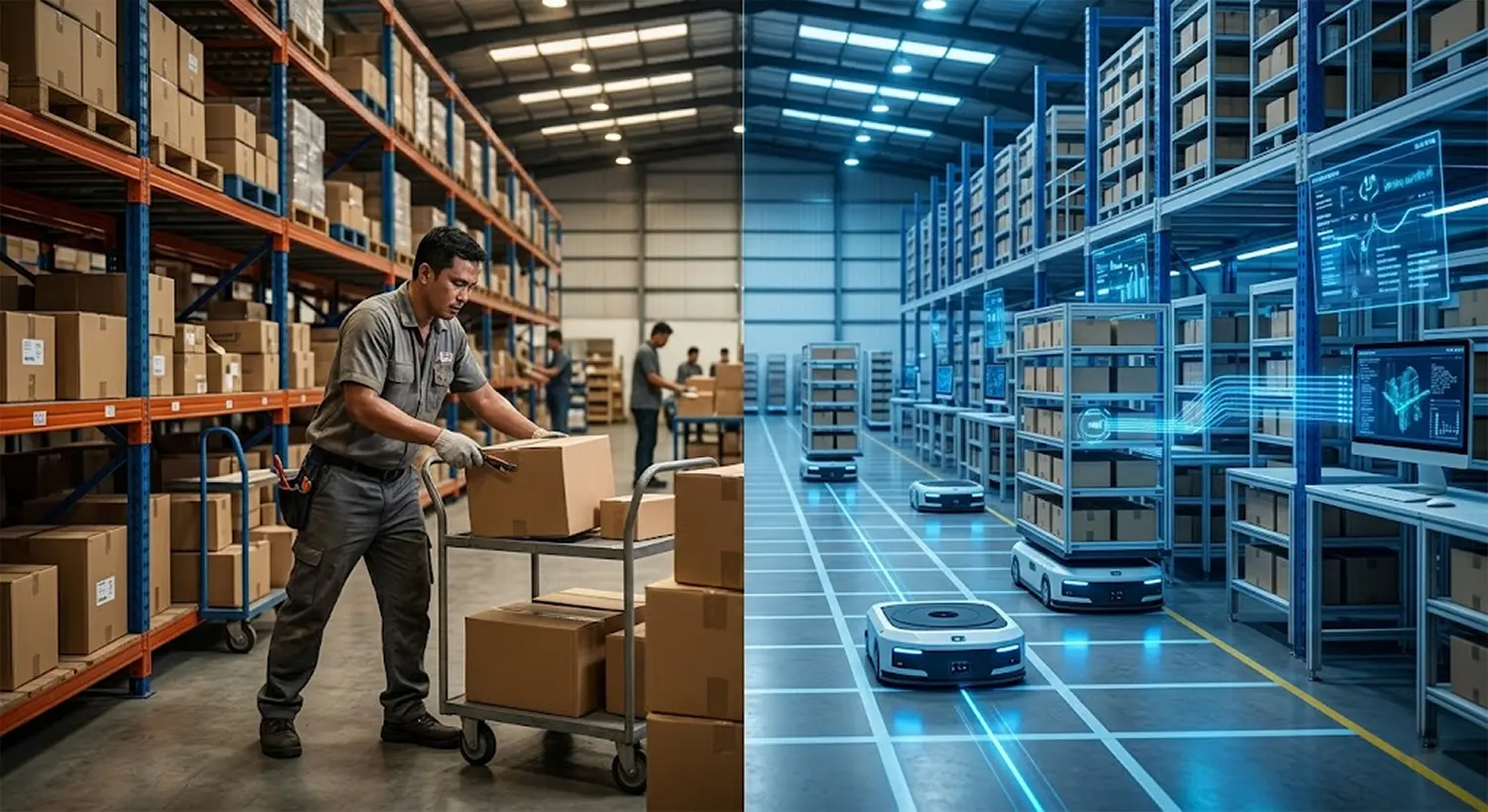
On May 1, 2026, International Workers’ Day arrives amid rising layoffs, stubborn inflation, and rapid AI adoption, as workers worldwide face a shifting labor market defined by uncertainty and structural change.
For many, this moment feels different. While unemployment remains relatively low at 4.9% globally, the deeper story is one of unease. Wages are lagging, job security is changing, and the rules of work itself are being rewritten.
That tension reflects a long history. May Day began as a fight for the eight-hour workday, a response to grueling 12–16 hour shifts in the 19th century. It was never just about work, it was about dignity, safety, and collective power.
Today, that same idea is being tested again. But the forces shaping the modern workforce are far more complex.
A workforce squeezed between rising costs and stalled pay
The most immediate pressure on workers is financial. Across major economies, inflation has climbed back to around 3.3%, driven largely by energy shocks linked to ongoing geopolitical conflict.
At the same time, wages are struggling to keep up. Central banks, wary of triggering a “wage-price spiral,” are keeping interest rates high, which discourages companies from offering larger pay increases.
The result is a widening gap. For many households, real wages are effectively shrinking, even as nominal pay rises. Rent, food, and fuel costs continue to outpace earnings.
But the economic strain does not stop there. Another force is quietly reshaping the very nature of work.
AI is flipping the job market in unexpected ways
For decades, automation mainly threatened manual labor. In 2026, that pattern has reversed. White collar and high skill roles are now among the most exposed.
Early data shows that AI is handling up to 75% of routine coding tasks, along with significant portions of finance, research, and administrative work. This shift is redefining what it means to be “skilled.”
At the same time, companies are pulling back on hiring. Entry-level recruitment in tech and office roles has dropped by around 14% compared to two years ago, leaving many young graduates without a clear path into the workforce.
That creates a new divide. Workers who can manage or direct AI systems are seeing wage growth, while those performing routine tasks face declining demand.
And the consequences are already visible in the job market.
Layoffs surge as companies trade workers for machines
The first months of 2026 have seen a sharp rise in job cuts, especially in technology. Between January and April, over 92,000 tech workers were laid off globally.
What makes this wave different is the cause. Nearly half of these layoffs about 48% are directly tied to AI replacement or restructuring, not just economic slowdown.
Major companies are leading the shift. Firms like Amazon, Oracle, and others have cut thousands of roles while investing heavily in automation and AI infrastructure. In many cases, the logic is simple: AI systems can perform the same work at a fraction of the cost.
The economics are stark. An AI system may cost $20 to $200 per month, compared to $5,000 to $15,000 for a human salary. For executives, the incentive is clear.
Yet the impact extends beyond tech. In sectors like customer service, companies are quietly reducing staff through attrition, letting AI systems take over routine interactions.
This raises a deeper question: if jobs are still available, why does the market feel so unstable?
A stable unemployment rate hides a growing skills crisis
On paper, the global labor market appears steady. The 4.9% unemployment rate suggests resilience. But beneath that figure lies a growing mismatch.
Companies are actively hiring but for different roles. Jobs that combine technical knowledge with creativity, communication, and problem solving are in high demand.
Meanwhile, positions built around routine tasks are disappearing. This shift is creating a skills gap, where available jobs and available workers no longer align.
The effect is especially severe for younger workers. Entry level hiring has dropped sharply, and in some sectors, graduate unemployment could approach 30%.
Governments are beginning to respond, but their efforts highlight another dimension of the modern labor struggle.
Governments push for fairness as trust becomes a battleground
In 2026, policymakers are focusing less on access to jobs and more on how work is structured and paid.
New laws in parts of Europe and North America now require salary transparency and disclosure of AI use in hiring, aiming to reduce long-standing pay gaps.
Elsewhere, authorities are using technology to enforce labor standards. In places like the UAE, AI systems are being deployed to detect “ghost employees”, where companies claim to hire workers without providing real wages or work.
At the same time, some countries are experimenting with shorter workweeks or stricter limits on hours, reflecting growing concern about burnout and mental health.
But regulation alone cannot solve the underlying tension. That tension is rooted in a deeper transformation of work itself.
From tools that support work to tools that replace it
The defining shift of 2026 is not just technological, it is philosophical. For generations, tools were designed to help people do their jobs more efficiently.
Now, in many cases, the tools are becoming the job.
This transformation is forcing a rethink of value. Routine technical skills, once highly rewarded, are becoming less valuable as AI systems replicate them. In their place, human centered abilities creativity, judgment, and emotional intelligence are gaining importance.
Yet adapting to that shift takes time, and not all workers have the resources or opportunity to do so quickly.
As May Day is marked around the world, the message feels both familiar and newly urgent. The original movement demanded time, safety, and dignity in an industrial age.
In 2026, the challenge is different but echoes the same core idea: work must serve people, not the other way around.