Mexico’s latest confrontation with the Jalisco New Generation Cartel (CJNG) is not defined by the arrest of a single figure, but by how the state responded before the fallout began.
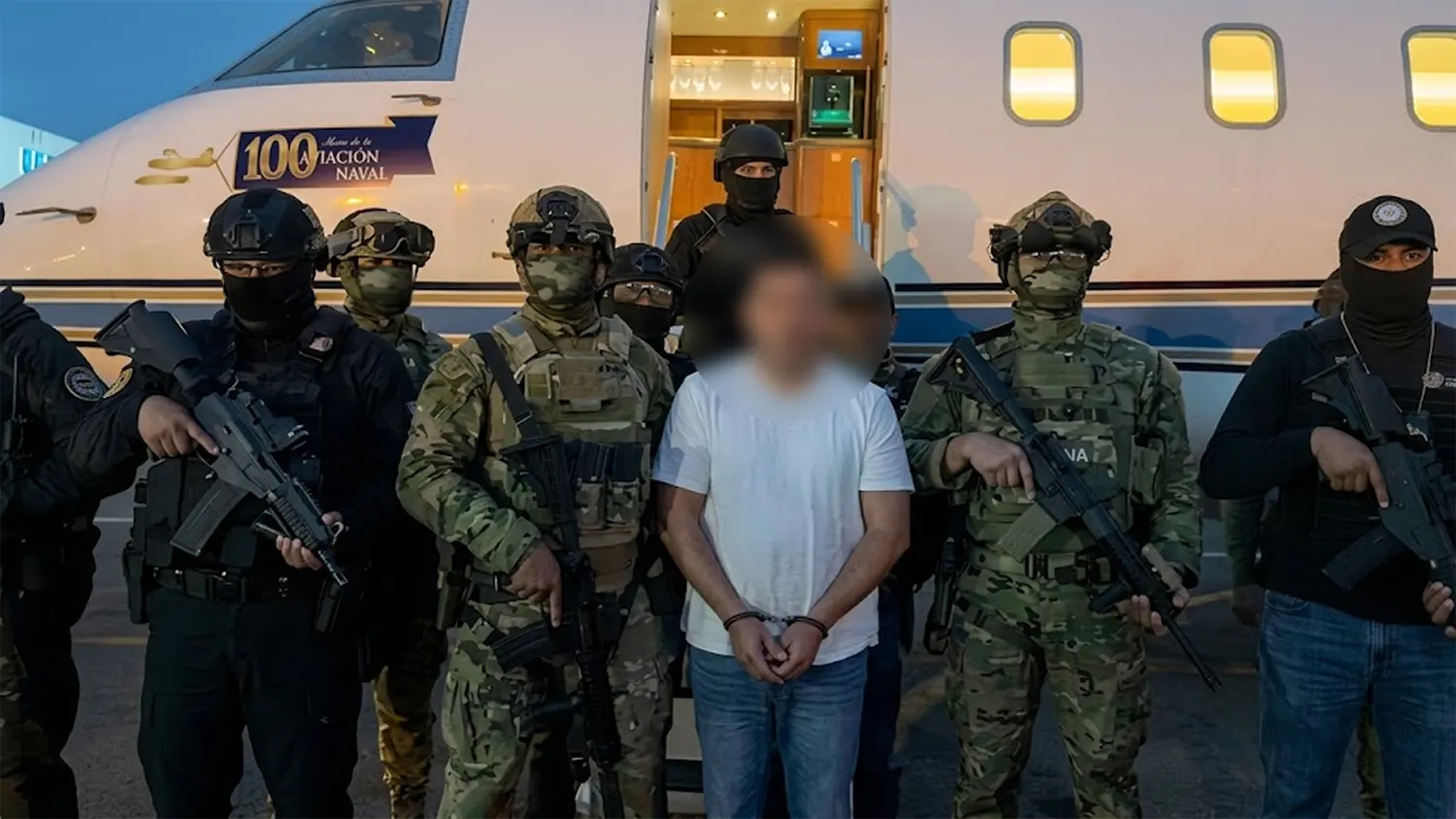
When Mexican special forces captured Audias Flores Silva, known as “El Jardinero,” on April 27, 2026, the government did something it had failed to do just weeks earlier: it moved first.
Within hours, roughly 4,000 soldiers were deployed across Jalisco, backed by a nationwide alert placing more than 130,000 security personnel on standby. Highways, border corridors, and strategic infrastructure were effectively placed under military supervision before the public even absorbed the news.
The objective was clear prevent a repeat of February’s chaos following the death of CJNG leader “El Mencho,” which triggered coordinated violence across more than 20 states.
From Reaction to Preemption
The contrast between February and April illustrates a fundamental shift in Mexico’s security doctrine.
When “El Mencho” was killed, the government responded after cartel retaliation had already begun. The result was a wave of violence that left more than 70 people dead and exposed the state’s inability to contain coordinated disruptions.
This time, authorities applied a different sequencing logic:
control territory first, announce success second.
The result has been a more contained, though still volatile, response. Cartel actions primarily in Nayarit and Jalisco have focused on localized disruption rather than nationwide escalation.
Gunmen established “narcobloqueos” by hijacking trucks and buses, setting them ablaze to paralyze key roads, particularly along routes connecting Puerto Vallarta to inland regions. Businesses were also targeted, with arson attacks reported in multiple municipalities.
Yet unlike February, these actions remained geographically limited and were cleared relatively quickly by military forces.
The Anatomy of a “Contained” Retaliation
Containment does not mean control, it means the state successfully shaped the battlefield.
Several factors explain why cartel retaliation did not spiral:
- Nature of the operation: Flores Silva was captured alive in a bloodless operation following a 19-month intelligence effort. Without a high casualty firefight, the cartel lacked the immediate impetus for broader escalation.
- Preemptive saturation: Security forces effectively blanketed CJNG territory, making it difficult to mobilize large convoys or coordinate multi state attacks.
- Operational precision: The arrest itself avoided collateral damage, reducing the symbolic trigger that often fuels cartel responses.
Even so, the cartel demonstrated continued operational discipline. During the raid, Flores Silva’s security detail more than 60 gunmen across 30 vehicles executed a coordinated dispersal maneuver, drawing attention away while he attempted escape through a drainage system.
This level of organization underscores a key reality: tactical containment does not equate to structural weakness.
Decapitation Without Collapse
The arrest of “El Jardinero,” combined with the earlier death of “El Mencho,” removes two of the CJNG’s most senior figures within a span of two months. On paper, this represents a significant strategic victory.
In practice, it triggers a familiar problem: succession.
Figures such as Juan Carlos Valencia and Gonzalo Mendoza are now positioned to consolidate power, a process that typically involves internal purges and localized violence as factions compete for control of lucrative corridors like Guadalajara–Puerto Vallarta.
This is the “Hydra effect” of cartel enforcement removing one head rarely eliminates the system.
Recognizing this, the government’s current strategy extends beyond arrests. The deployed forces in Jalisco are tasked not only with maintaining order but with intelligence led disruption: identifying emerging factions, mapping financial networks, and preempting their consolidation.
The Extradition Strategy
A critical next step is the anticipated extradition of Flores Silva to the United States.
The rationale is operational, not symbolic. Mexican authorities have long struggled with cartel leaders maintaining influence from inside prisons. Extradition removes that variable entirely.
It also serves a diplomatic function. The administration of President Claudia Sheinbaum has accelerated extraditions nearly 100 since 2025 partly to ease pressure from Washington and avoid economic repercussions.
But this cooperation comes with friction. Recent revelations of unauthorized U.S. intelligence activity inside Mexico have reignited sovereignty concerns, complicating what is increasingly a transactional security partnership.
A Strategy Shaped by the Clock
Timing is central to the government’s urgency.
Mexico is less than two months away from co hosting the FIFA World Cup, with Guadalajara CJNG’s stronghold set to receive international visitors. The current security posture reflects an implicit objective: stabilize key cities before global scrutiny intensifies.
This has accelerated the adoption of what officials describe as a “surgical” approach precision arrests supported by overwhelming force presence, designed to minimize visible violence while dismantling leadership structures.
Success, With Limits
As of April 29, most roadblocks have been cleared, and no mass casualties on the scale of February have been reported. By immediate metrics, the strategy has worked.
But its limitations are equally clear.
The CJNG remains operationally intact. Its ability to mobilize armed cells, coordinate diversions, and disrupt civilian life persists even under heavy military pressure. More importantly, the looming succession struggle introduces a new phase of instability that preemptive deployment alone may not resolve.
A Test, Not a Turning Point
The arrest of “El Jardinero” is less a decisive victory than a real time test of Mexico’s evolving security model.
The government has demonstrated that it can anticipate cartel retaliation and reduce its scale. What it has not yet proven is whether it can convert tactical successes into lasting control.
That distinction will define what comes next.
Because in Mexico’s current conflict, the challenge is no longer just capturing leaders, it is managing what happens immediately after.