Why This Crisis Matters Now
What happens when the world’s most important oil route suddenly slows to a crawl?
That’s the reality unfolding in the Strait of Hormuz, a narrow stretch of water that carries about one fifth of the world’s oil supply. Today, that flow is nearly frozen.
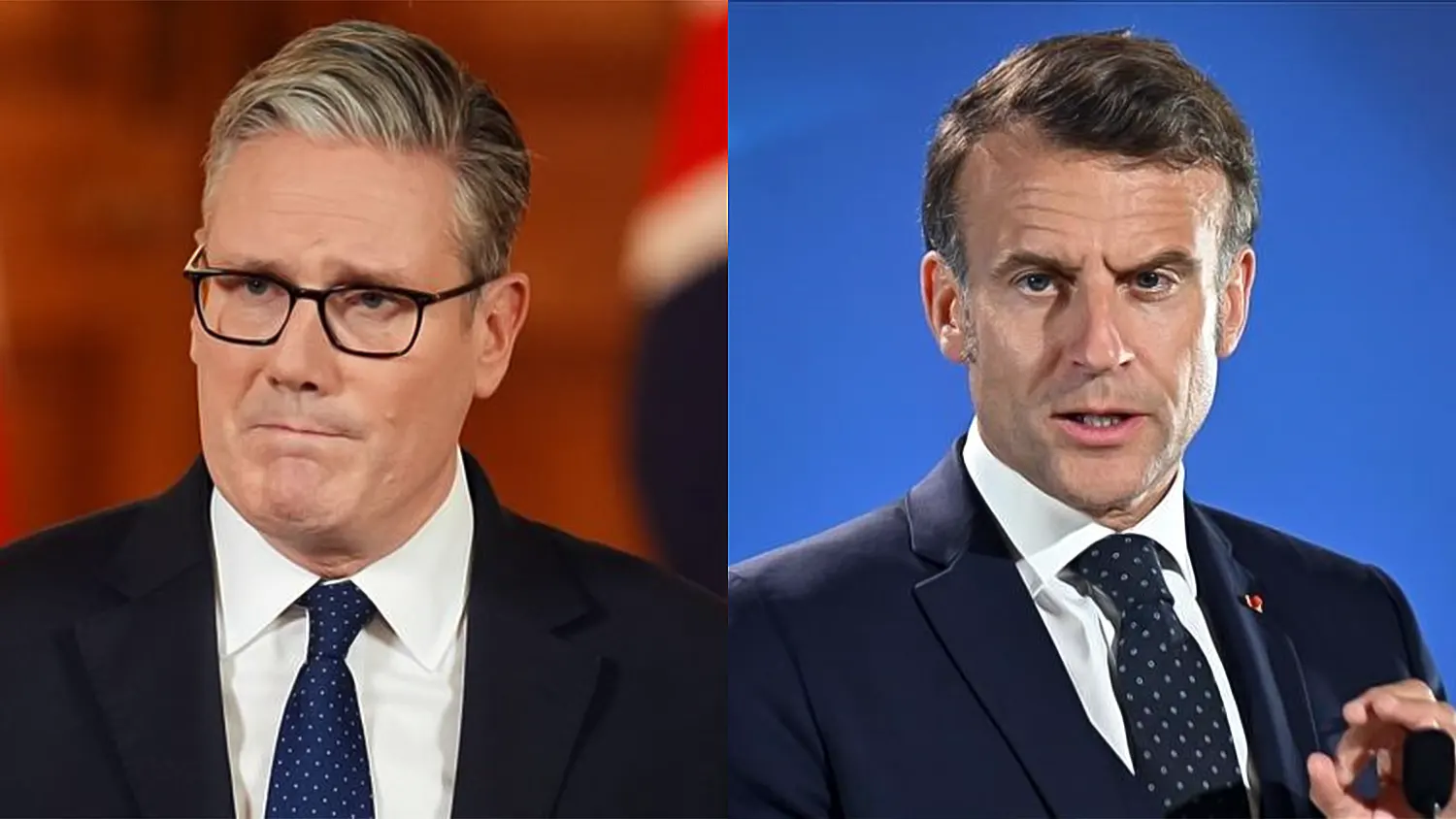
And now, a new plan led by Keir Starmer and Emmanuel Macron is trying to fix it without triggering a wider war.
The Root of the Crisis: A “Dual Blockade”
To understand what’s happening, think of the Strait like a major highway for global energy. Right now, that highway is blocked from both ends.
Iran’s Grip on the Strait
Iran controls the narrowest part of the waterway. Since late February, it has tightened its hold by:
- Deploying sea mines and drones
- Charging controversial “tolls” of over $1 million per ship
- Allowing only select countries to pass
In simple terms: Iran is squeezing the flow of global trade to gain leverage.
The U.S. Counter-Move
At the same time, the United States has launched its own blockade, this time targeting Iran’s ability to export oil.
- U.S. forces are intercepting ships linked to Iranian ports
- Dozens of vessels have already been turned back
- The goal is to cut off Iran’s revenue stream
The result? A standoff where both sides are blocking each other and the world is caught in the middle.
A European Led Intervention
This is where the UK and France step in.
After a summit in Paris, Starmer and Macron moved quickly from diplomacy to action, proposing a multinational mission often referred to as:
“Operation Defensive Shield”
This isn’t a combat mission. Instead, it’s designed as a neutral protection force.
- Backed by 50+ countries, including Germany, Italy, and Canada
- Focused on protecting commercial ships
- Aims to restore confidence in global shipping
The key idea: create a safe path through the chaos without taking sides.
How the Plan Works: Building a “Neutral Corridor”
Rather than confronting Iran or the U.S. directly, the coalition is trying something more strategic.
1. A Safe Passage System
Only ships with no ties to the conflict are allowed into the corridor.
- These vessels are carefully vetted
- They travel under international protection
- Attacking them risks angering 50+ nations at once
It’s less about force and more about deterrence through unity.
2. Clearing the Waters
One of the biggest dangers isn’t visible: sea mines.
So the coalition is preparing large scale mine clearing operations to:
- Open safe shipping lanes
- Reduce the risk of accidents
- Make the route usable again
3. Fixing the Insurance Crisis
Right now, most ships aren’t moving not because they can’t, but because they’re not insured.
The plan includes a government backed safety net:
- If something goes wrong, countries will cover the losses
- This gives shipping companies the confidence to return
Without insurance, trade stops. With it, movement resumes.
The Global Ripple Effect
This crisis isn’t just about ships in one region, it’s hitting everyday life worldwide.
Rising Energy Costs
With oil supply disrupted:
- Prices have surged past $100 per barrel
- Fuel costs are rising globally
That means higher prices at the pump and beyond.
Impact on Food and Industry
Energy isn’t the only thing affected.
- Fertilizer shipments are disrupted
- Gas prices are soaring
- Industries are slowing down
In many countries, this could translate into more expensive food and fewer jobs.
Growing Global Inequality
The hardest hit?
Lower income countries that rely heavily on imported energy.
- Limited budgets mean fewer options
- Some nations are facing full scale energy emergencies
A Plan Caught Between Two Powers
Despite its promise, the UK–France plan faces a major obstacle.
Iran’s Demand
Iran insists on charging massive transit fees, calling them “security costs.”
The coalition rejects this outright, calling it illegal and unacceptable.
A Fragile Balance
At the same time:
- The U.S. refuses to lift its blockade
- Iran refuses to fully open the Strait
This leaves the corridor stuck in the middle of a high stakes standoff.
The Road Ahead for the Strait
Everything now depends on a narrow window of opportunity, a temporary ceasefire.
During this pause:
- The coalition is racing to deploy its system
- Safe routes must be established quickly
If successful, the corridor could act as a “tripwire”:
Any attack on it would risk dragging dozens of countries into the conflict.
The Hidden Cost of a Blocked Strait
The Strait of Hormuz crisis is no longer just a regional dispute.
It’s a test of whether the world can keep trade flowing during conflict or whether global systems are more fragile than they appear.
The UK–France plan offers a middle path.
But its success depends on one critical question:
Can neutrality survive in a conflict where both sides are using the same waterway as leverage?
Because if it fails, the impact won’t stay at sea
it will be felt in economies, industries, and households around the world.