More Time, But No Guarantees
The extension of the Israel–Lebanon ceasefire has bought time but not certainty. When U.S. President Donald Trump announced a three week extension on April 23, it was framed as a diplomatic breakthrough. In reality, it is something more delicate: a temporary pause in a conflict that is still very much alive.
For people on the ground, little has changed. For leaders in Washington and the region, however, these three weeks could determine whether the conflict moves toward peace or slips back into war.
A Diplomatic Push from Washington
The decision to extend the ceasefire did not emerge from quiet negotiations behind closed doors, it unfolded in full view at the White House.
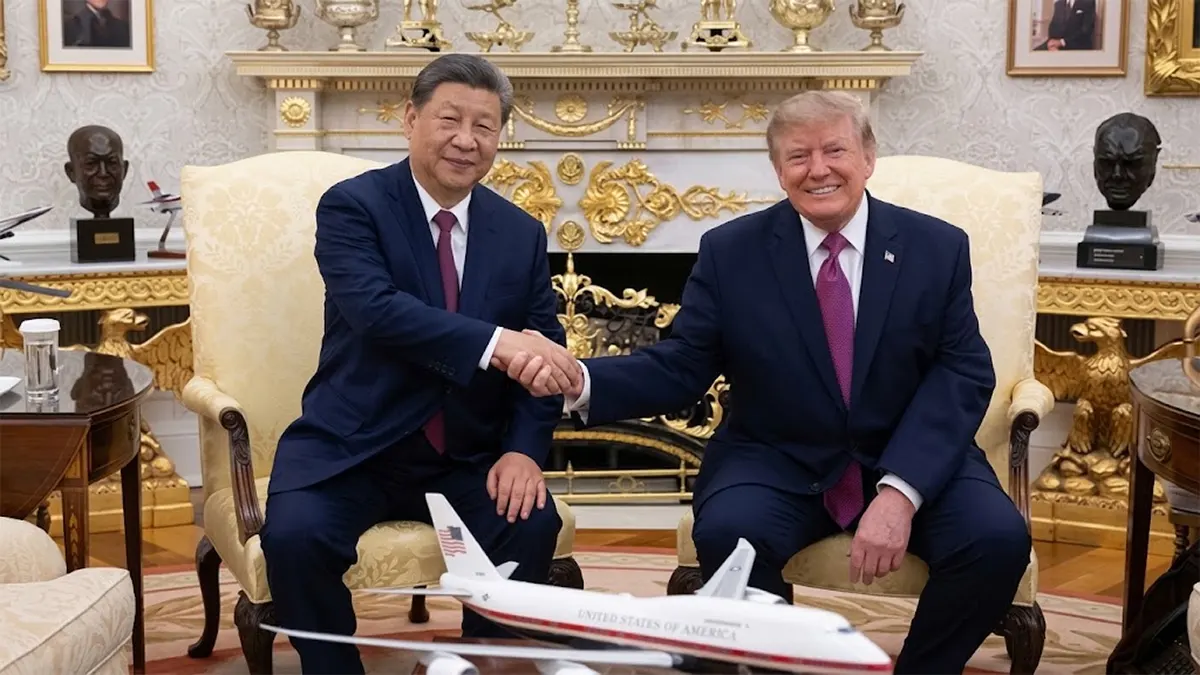
In the Oval Office, Trump brought together Lebanese Ambassador Nada Hamadeh Moawad and Israeli Ambassador Yechiel Leiter, alongside senior officials including JD Vance and Marco Rubio. The message coming out of that meeting was clear: this ceasefire must not end yet.
But what stood out most was not the extension itself, it was the language used to secure it. When Moawad told Trump that, with U.S. support, Lebanon could “make Lebanon great again,” it signaled more than gratitude. It was a calculated appeal to Trump’s political identity, and a sign that Lebanon may be repositioning its alliances.
That moment hinted at something larger than a ceasefire. It suggested a possible shift in how Lebanon approaches both the United States and its own internal balance of power.
On the Ground: A Ceasefire Under Pressure
Despite the optimism in Washington, the situation along the border tells a different story.
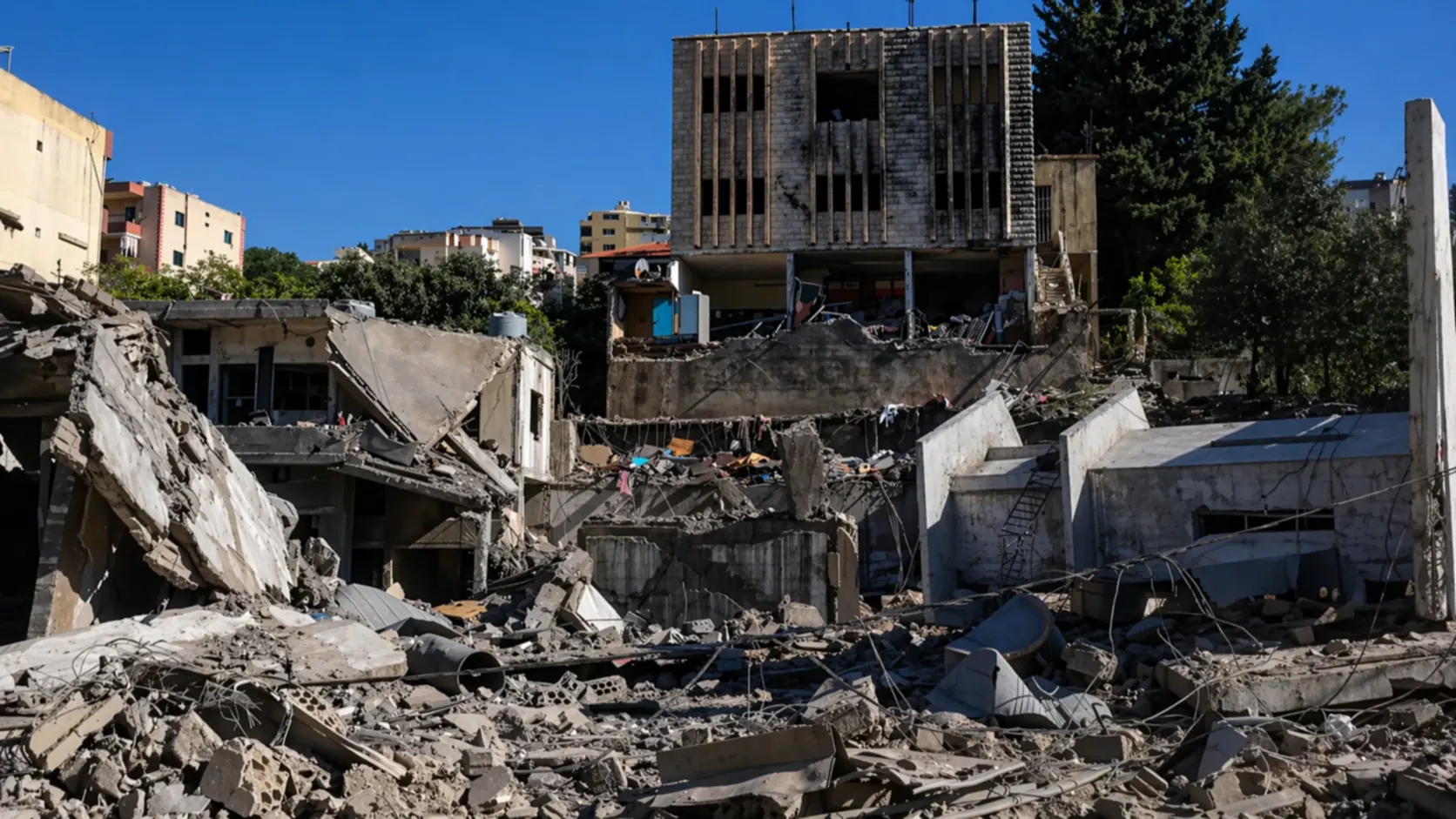
The ceasefire exists, but it is already being tested. Hezbollah one of the central actors in the conflict is not part of these negotiations, and its absence is shaping events in real time. Rocket fire and retaliatory strikes have continued, each side framing its actions as defensive.
This creates a dangerous dynamic. Israel maintains that it will act against any immediate threat, while Hezbollah continues to respond to Israeli operations. The result is a ceasefire that holds politically, but remains unstable militarily.
In practical terms, this means the region is not at peace. It is operating in a narrow space where conflict is contained, but not resolved.
Clashing Goals Beneath the Truce
The fragility of the situation comes down to a deeper issue: the two sides are not trying to achieve the same outcome.
Lebanon, under President Joseph Aoun, is pushing for a full Israeli withdrawal from its southern territory. Israel, led by Benjamin Netanyahu, is focused on eliminating Hezbollah’s presence near its border.
These goals are not just different, they are fundamentally incompatible without major concessions.
For Israel, Hezbollah represents a long term security threat backed by Iran. For Lebanon, however, Hezbollah is also part of the country’s political and social fabric. This makes any attempt to remove it not just a military challenge, but a domestic risk.
A Strategic Shift in Lebanon
The language used in Washington reflects a deeper transformation that is now unfolding.
Lebanon appears to be exploring a shift toward a more U.S.-aligned strategy, one that prioritizes state control over armed groups. The idea behind the slogan “make Lebanon great again” is not just symbolic, it points to a goal of restoring full sovereignty, particularly in the south of Lebanon.
Israeli Ambassador Yechiel Leiter reinforced this idea by suggesting that Israel and Lebanon are closer than ever before. That kind of statement would have been unthinkable in previous years.
Yet this shift is not happening in a vacuum. Inside Lebanon, it is already generating tension. Hezbollah figures such as Hassan Fadlallah have strongly rejected direct engagement with Israel, warning against any normalization.
This leaves the Lebanese government walking a tightrope trying to satisfy international demands without triggering internal conflict.
Israel’s Dual Approach: Open Hand, Firm Grip
Israel’s response to the ceasefire extension reflects a careful balance between diplomacy and deterrence.
On one level, Netanyahu has embraced the extension as part of a broader effort to reshape regional dynamics, aligning closely with Trump’s initiative. On another level, Israel has made it clear that its military posture will not change.
Even as talks continue, Israeli forces remain on high alert, and retaliation for any perceived threat is immediate.
This dual approach sends a clear message: Israel is willing to negotiate, but only from a position of strength. The expectation is that, during this three week window, Lebanon will demonstrate it can control its own territory.
The Bigger Picture: Iran and Regional Stakes
The ceasefire cannot be understood in isolation. It is closely tied to broader tensions involving Iran.
Lebanon has effectively become a testing ground for a wider geopolitical strategy. Iran has previously linked stability in Lebanon to larger negotiations with the United States, including issues related to its nuclear program and regional influence.
Trump’s position adds another layer of complexity. While actively pushing progress in Lebanon, he has made it clear that any agreement with Tehran must be on U.S. terms and built to last.
This means the success or failure of the ceasefire could ripple far beyond Lebanon’s borders.
What the Next Three Weeks Will Decide
The extension has created a narrow window for change but also a deadline.
During this period, the Lebanese government is expected to assert greater control in the south, particularly through the deployment of its armed forces. At the same time, Israel will be watching closely for any sign that Hezbollah remains active near the border.
Diplomatically, the proposed White House meeting between Benjamin Netanyahu and Joseph Aoun could mark a turning point. If it happens, it would represent a rare moment of direct engagement between the two sides.
But none of this is guaranteed. A single miscalculation could still undo the entire process.
A Window of Opportunity Or a Countdown to Conflict
The ceasefire extension is not a resolution, it is a high stakes pause.
It has created space for diplomacy, but it has not resolved the underlying tensions driving the conflict. Fighting continues in limited form, political divisions remain deep, and regional dynamics are still in play.
What makes this moment significant is not what has been achieved so far, but what could happen next.
If these three weeks lead to real progress, they could reshape the relationship between Israel and Lebanon and possibly the wider region. If they fail, the conflict may return with greater intensity.
For now, the situation remains balanced between two outcomes, with the direction still uncertain and the consequences far reaching.