Have you ever stepped out for a quick errand and felt the heat hit you like a wall? Now imagine doing that for hours, walking door to door, with no shade and a deadline to meet.
That’s the harsh reality many teachers in Odisha faced and sadly, it has led to tragic consequences.
In just the past few days, three teachers Rajkapur Hembram, Anurag Ekka, and Bansidhar Bhoi lost their lives while carrying out Census fieldwork in extreme heat. What should have been a routine administrative task turned into something life threatening.
The Heat Isn’t Just “Summer”, It’s Dangerous
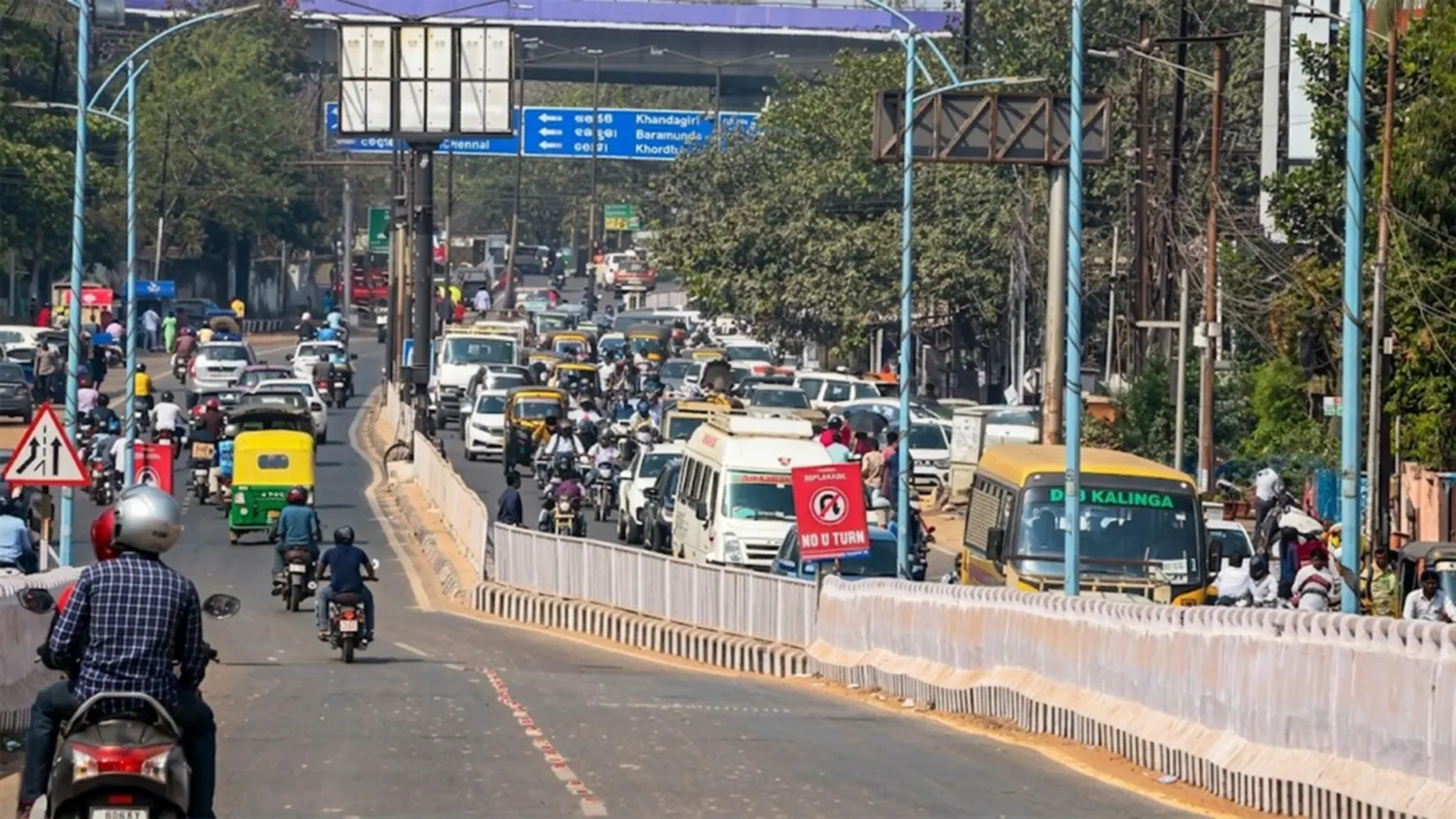
This isn’t your usual hot day. In places like Jharsuguda, temperatures have climbed to nearly 45°C, with some parts of India touching even higher.
To put it simply, that’s like standing next to an open oven for hours.
The body struggles to cool down in such heat. When it can’t, it leads to heat exhaustion or even heatstroke conditions that can quickly turn fatal if ignored.
What makes it worse?
Low humidity, dry winds, and long exposure mean the body loses water faster than you realize.
The Pressure Behind the Tragedy
On paper, there are rules to protect workers. For example, outdoor work is supposed to stop between 11 AM and 3 PM, when the sun is at its strongest.
But reality looks different.
Many workers say targets and deadlines pushed them to keep going, even during those dangerous hours. Imagine being told to finish a long checklist, knowing stopping could delay the entire process.
It becomes a tough choice between following safety and meeting expectations.
And in rural areas, the situation gets even harder limited shade, long walking distances, and little access to water or rest spots.
A Small Hope in the Sky
There is, however, a bit of relief on the horizon.
Weather experts say nor’wester storms locally called Kalbaisakhi are expected to arrive soon. These storms could bring rain and lower temperatures by 2–4°C over the next couple of days.
That may not sound like much, but even a small drop can feel like a huge relief in extreme heat.
Still, these storms come with their own risks strong winds, lightning, and sudden downpours so caution is still needed.
What This Means for All of Us
This situation is a wake up call. It shows how everyday work can become dangerous when weather conditions change faster than systems can adapt.
But there are simple steps that can make a difference:
- Avoid stepping out during peak heat hours whenever possible
- Drink water regularly, even if you don’t feel thirsty
- Wear light, breathable clothing
- Take frequent breaks in shaded areas
- Pay attention to warning signs like dizziness or extreme fatigue
For authorities and organizations, the message is even clearer:
Deadlines should never come before safety.
A Moment to Reflect
These losses are not just statistics, they’re reminders of how fragile life can be under extreme conditions.
As the weather slowly shifts in the coming days, there’s hope that the worst of this heatwave will ease. But the bigger question remains:
Are we ready to protect people as our climate becomes more unpredictable?
Because sometimes, the difference between a normal day and a tragedy… is simply how seriously we take the heat.