With 46 days to go until the 2026 FIFA World Cup, preparations across the United States, Canada, and Mexico are accelerating but soaring ticket prices are sparking a global backlash that threatens to overshadow the tournament.
This matters because the World Cup has long been seen as football’s most accessible global event, yet record prices and resale controversies are reshaping who can attend. The tension between demand and affordability is now central to the tournament’s story.
But the scale of preparation suggests an event unlike any before it.
Across North America, over 5 million tickets have already been sold, with FIFA opening a “last minute sales phase” on April 22 to meet demand.
Fans who missed out still have options. The official resale marketplace is now live, offering the only authorized channel for buying and selling tickets securely.
Yet even as access expands, prices on that same platform are driving much of the criticism, setting the stage for a deeper controversy.
The tournament schedule is now firmly set. Opening matches will take place on June 11 in Mexico City and Guadalajara, marking a historic multi city kickoff.
The following day brings key debuts. The United States faces Paraguay in Los Angeles, while Canada opens against Bosnia and Herzegovina in Toronto.
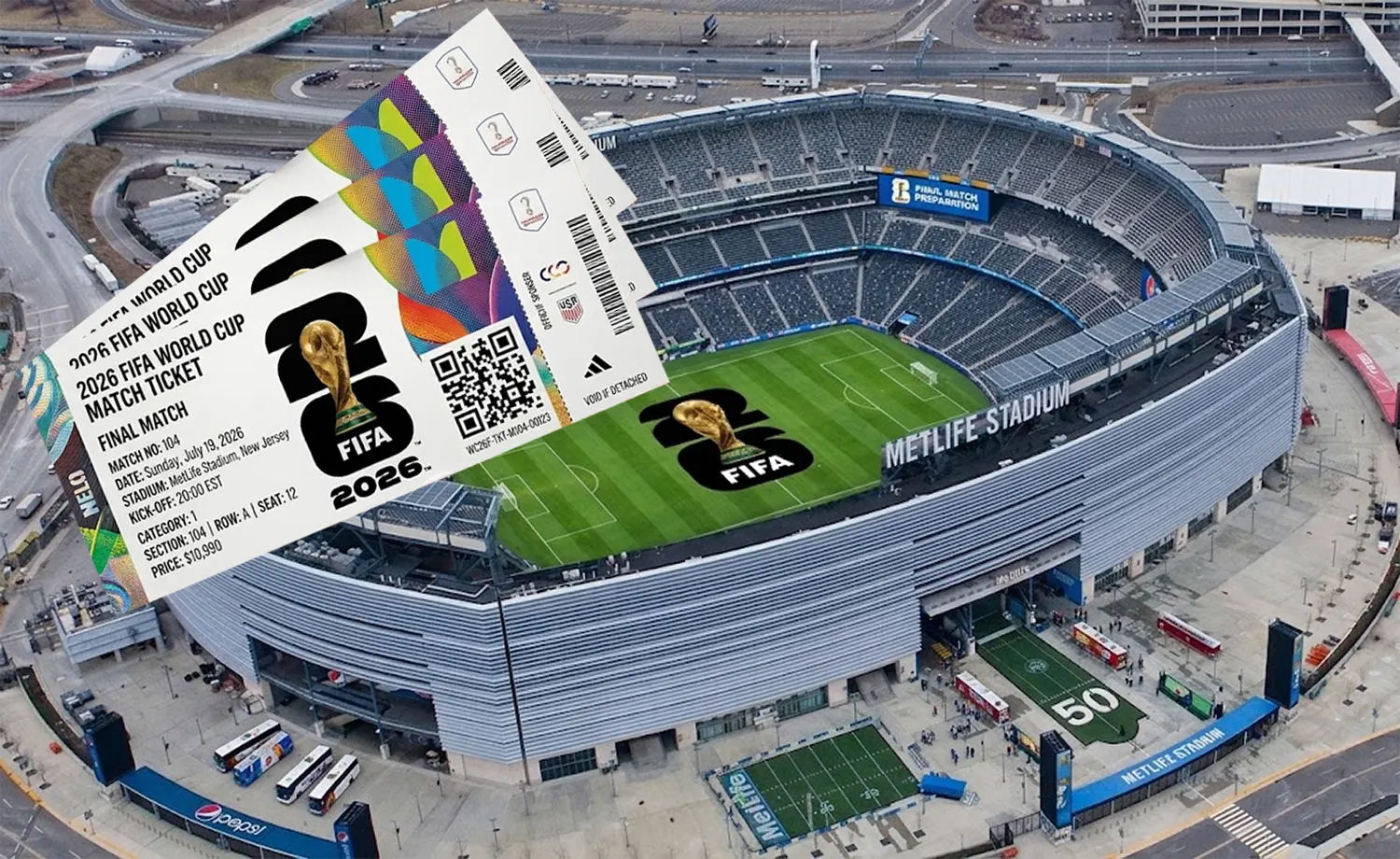
The final is already a focal point. It will be held on July 19 at MetLife Stadium in New York/New Jersey, a venue now central to both excitement and controversy.
That contrast between anticipation and concern is becoming increasingly visible.
A global spectacle meets a growing affordability crisis
Host cities are racing to prepare. Major infrastructure upgrades are underway, including new transit systems, digital apps, and tourism programs designed to handle millions of visitors.
In places like Philadelphia, real time travel and safety tools are being launched, while New York is expanding services to accommodate the surge in international fans.
At the same time, governments are stepping in. Travel advisories urge fans to check passports and visas early, as demand for entry into the U.S. is expected to peak in the coming weeks.
But while logistics are improving, a different problem is gaining momentum: cost.
Ticket prices have become the defining issue. Some resale listings for the World Cup final have reached $2.3 million per seat, drawing widespread criticism.
These are not luxury suites. The listings are for standard lower-tier seats, highlighting how extreme pricing has become on the official platform.
Critics argue the system enables excess. FIFA allows uncapped resale pricing while taking a 15% commission, meaning even inflated listings generate revenue for the organization.
This raises a second question: how did prices reach this point?
From global festival to high priced event
The shift is stark when compared to history. In 1994, the most expensive World Cup ticket cost about $475, roughly $1,000 today.
In 2026, the numbers are far higher. Top-tier tickets for the final reach $7,875 officially, while high demand matches can exceed $10,990.
FIFA attributes this to demand. More than 150 million ticket requests were logged in just 15 days, reflecting unprecedented global interest.
But for many fans, the issue is not demand, it is access.
Dynamic pricing has intensified the backlash. Ticket prices now rise in real time based on demand, a model critics describe as “surge pricing” applied to sport.
Fans report sudden increases. Tickets have jumped hundreds of dollars within minutes, even while sitting in online carts.
FIFA argues this limits scalping. Yet opponents counter that the organization is effectively capturing the same profits, shifting costs directly onto supporters.
And for some groups, the impact is even more severe.
Why accessibility concerns are fueling the strongest backlash
Fans with disabilities have raised specific concerns. Companion tickets once free are now sold at full price, increasing costs significantly.
Price disparities are also under scrutiny. Accessible seating in some matches starts at $3,100, compared to much lower prices in standard categories.
Advocacy groups say this creates inequality. Some disabled fans face dramatically higher costs to attend, challenging the tournament’s claim of inclusivity.
At the same time, broader fan groups are pushing back.
Organizations like Football Supporters Europe have taken action. A formal complaint has been filed with European authorities, accusing FIFA of “excessive and opaque” pricing practices.
High-profile figures have joined the criticism. Pep Guardiola warned that football is becoming too expensive, arguing that the game depends on its fans to survive.
Data from ticket allocations adds to the concern. Up to 35% of knockout stage seats are reserved for corporate and hospitality packages, reducing availability for general supporters.
This shift is changing the atmosphere before a ball is even kicked.
The World Cup remains one of the most anticipated sporting events on the planet. Cities are ready, fans are eager, and demand is record-breaking.
But the debate over cost continues to grow. For many, the question is no longer just who will win but who can afford to be there.
With the tournament now just weeks away, that tension may shape the experience as much as the matches themselves.