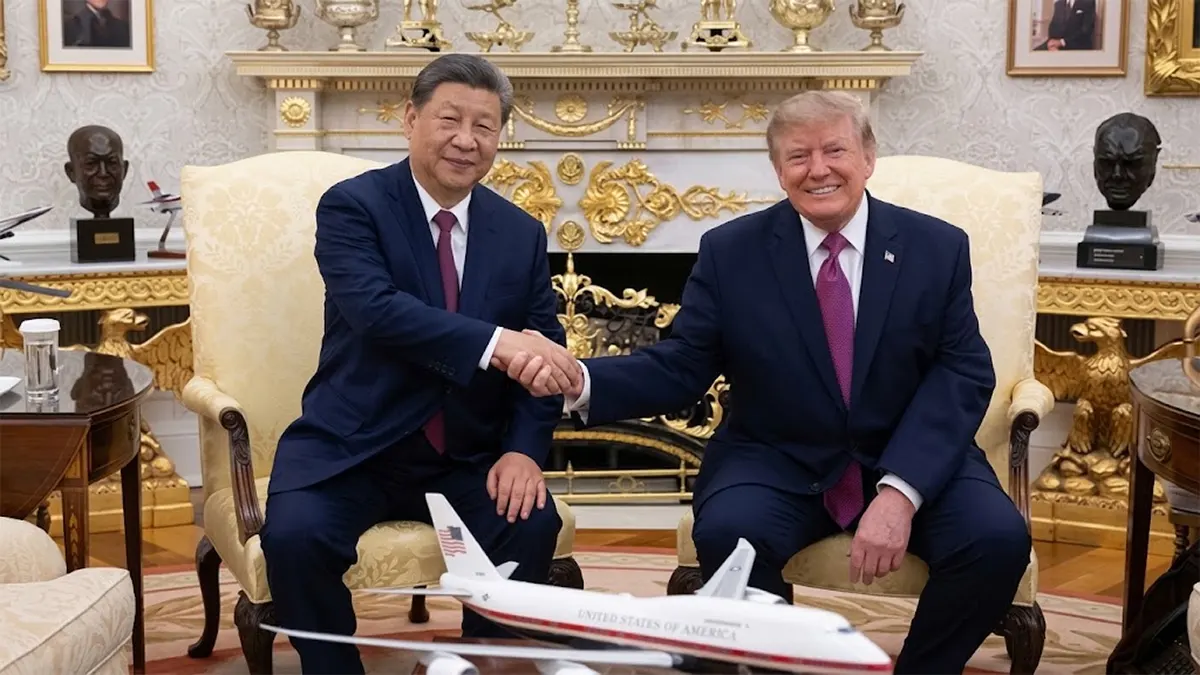
The fight over crime in Washington, D.C. has taken a dramatic turn. President Donald Trump has ordered a federal takeover of the city’s police force, triggering a sharp clash with local leaders and raising new questions about executive power.
The move, which includes deploying National Guard troops, is being framed by the White House as a necessary response to a “public safety emergency.” But city officials argue the data tells a very different story.
Why Trump Says Federal Control Is Necessary
President Trump has invoked a rarely used provision of the District of Columbia Home Rule Act to justify the takeover. This allows temporary federal control of local police under emergency conditions.
During a press briefing, Trump described the capital as being overwhelmed by “violent gangs” and rising disorder, positioning the intervention as a way to “take our capital back.”
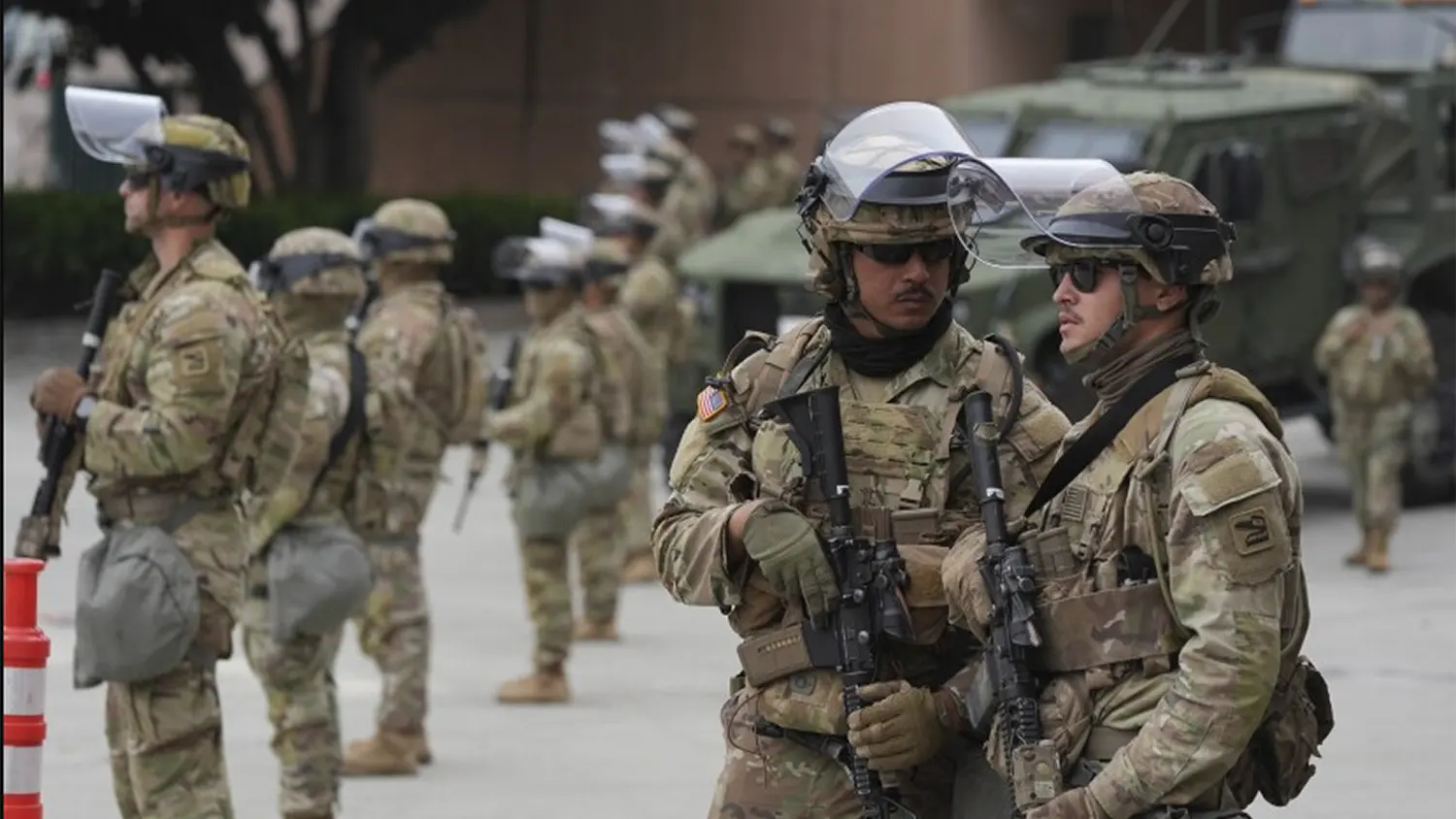
To enforce the directive, the administration has deployed:
- 800 National Guard troops
- Around 500 federal officers from agencies like the FBI, ATF, and DEA
In addition, Attorney General Pam Bondi has been assigned to oversee the Metropolitan Police Department. The plan also includes broader efforts targeting homelessness and urban conditions, which Trump linked to public safety concerns.
While the authority is limited to 30 days, the administration has already signaled it may seek an extension suggesting this could become a longer term federal presence in the city.
D.C. Leaders Push Back on Crime Narrative
However, local officials strongly dispute the premise behind the takeover. Mayor Muriel Bowser called the move “unprecedented and unsettling,” arguing it ignores clear trends in public safety data.
According to city statistics, violent crime has dropped to a 30 year low, following a spike in 2023. Bowser maintains that while cooperation with federal agencies is ongoing, local leadership remains intact and accountable to residents.
D.C. Attorney General Brian Schwalb has gone further, labeling the action “unnecessary and unlawful.” His office is reviewing potential legal responses, signaling that a court challenge could follow.
This disagreement highlights a deeper divide not just over policy, but over who controls public safety in the nation’s capital.
A Broader Debate Over Federal Power and Local Autonomy
Beyond crime statistics, the situation raises fundamental governance questions. Washington, D.C. operates under a unique system where Congress retains ultimate authority, despite having an elected local government.
Critics argue the takeover risks eroding local autonomy and could set a precedent for expanded presidential authority in other jurisdictions.
Some officials also point to alternative solutions. Instead of federalizing the police, they argue Washington should address structural issues such as long standing court vacancies that slow prosecutions and weaken the justice system.
As a result, the debate is shifting from immediate safety concerns to broader issues of civil rights, governance, and constitutional limits.
A Defining Moment for Power and Policy
The federal takeover of D.C.’s police force is more than a response to crime, it’s a test of how far presidential authority can extend into local governance.
With conflicting narratives on public safety and potential legal battles ahead, the outcome could reshape the balance between federal and city control. For now, Washington, D.C. stands at the center of a national debate that is far from settled.