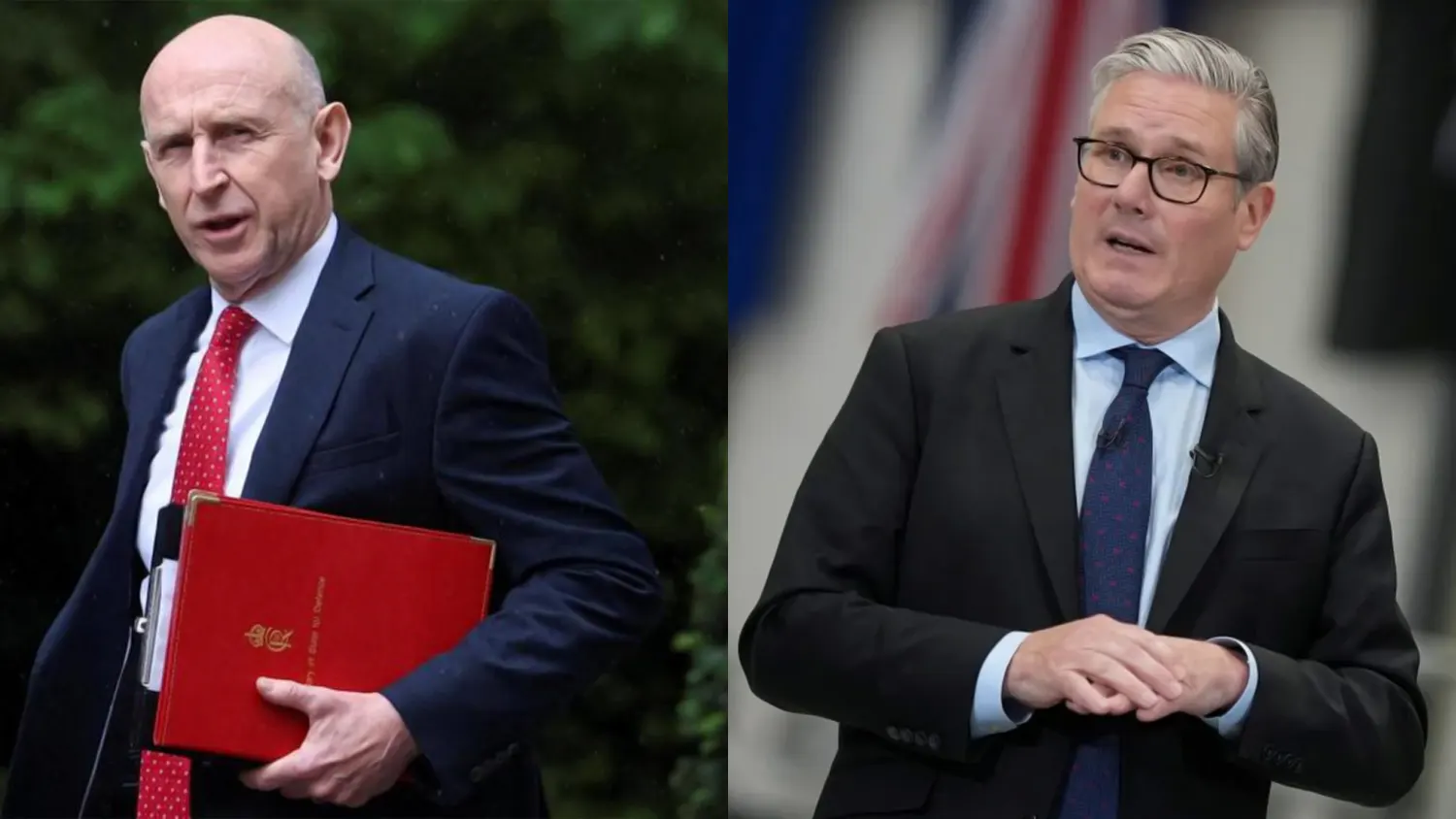
The resignation of Defence Secretary John Healey has triggered one of the most serious political crises facing Prime Minister Keir Starmer since taking office. What began as a dispute over military spending has now evolved into a public challenge to the government’s entire national security strategy.
At the heart of the conflict is the UK’s long-awaited Defence Investment Plan (DIP), with Healey arguing that the government is failing to provide the military with the resources needed to respond to growing international threats.
His departure comes at a particularly sensitive moment, as tensions continue to rise across Europe and the Middle East, while NATO allies increase pressure on member states to strengthen their defense capabilities.
A Battle Over Britain’s Defence Budget
The disagreement centers on how much Britain should spend on defense over the coming years.
The government proposed increasing defense spending from 2.6% of GDP to 2.68% by 2030, backed by approximately £15 billion over four years. However, Healey and several senior military figures argued that the figure falls far short of what is needed.
According to their position, defense spending should reach 3% of GDP by 2030, accompanied by a much larger and faster funding package to improve military readiness.
The dispute was not only about the total amount of money available. It was also about when the money would arrive.
While the Treasury’s proposal places much of the funding in later years, Healey insisted that the Armed Forces need resources immediately to address current operational demands.
Healey’s Warning About a Dangerous “Reality Gap”
One of the most damaging aspects of Healey’s resignation letter was his accusation that the government’s public warnings do not match its spending decisions.
Just days before the resignation, Starmer publicly highlighted intelligence assessments suggesting that Russia could potentially pose a threat to a NATO member state by 2030.
Healey seized on that warning, arguing that if the government genuinely believes such risks exist, it should be investing far more aggressively in defense today.
The criticism created what political observers have described as a “reality gap”, a situation where government leaders acknowledge growing dangers while failing to fund the measures needed to address them.
By framing the issue this way, Healey transformed a budget dispute into a broader debate about national security credibility.
Why Delayed Funding Has Become a Major Concern
A key issue raised by Healey was the government’s reliance on backloaded funding.
Under this approach, significant spending increases are scheduled for later years rather than being made available immediately.
Healey argued that Britain’s military challenges are not problems for the distant future. They are challenges that require action now.
The UK is currently involved in multiple international security commitments, including maritime security operations in the Strait of Hormuz, NATO missions in northern Europe, and ongoing support efforts related to Ukraine.
Military planners have warned that delaying funding could slow modernization programs and reduce readiness during a period of heightened global uncertainty.
Defence Projects Caught in Limbo
The prolonged dispute between the Treasury and the Ministry of Defence has reportedly left several major defense projects facing delays.
Industry groups and defense unions have warned that uncertainty surrounding funding could affect production schedules for key programs, including:
- Typhoon fighter jet upgrades
- The Skynet military satellite network
- Infrastructure supporting Britain’s nuclear submarine fleet
Beyond national security concerns, critics argue that delays could also impact highly skilled jobs across the UK’s defense sector.
The longer funding decisions remain unresolved, the greater the concern that strategic capabilities and industrial capacity could be affected.
Starmer Defends the Government’s Position
In response to Healey’s resignation, Prime Minister Keir Starmer attempted to reassure both Parliament and the public that the government’s defense plans remain sufficient.
Starmer argued that the proposed Defence Investment Plan would provide the military with the resources required to keep the country safe.
At the same time, he acknowledged that defense spending may need to rise further in the future, describing the current target as a foundation rather than a final destination.
However, the Prime Minister also faces significant financial constraints.
According to government sources, increasing defense spending at the level demanded by Healey would likely require difficult choices elsewhere, potentially affecting funding for public services such as healthcare, education, and other domestic priorities.
Growing Pressure Inside the Ministry of Defence
The political fallout has been intensified by criticism from within the Ministry of Defence itself.
Armed Forces Minister Al Carns publicly stated that the current defense investment plan is “not fit for purpose,” a remark widely interpreted as support for Healey’s position.
That public disagreement has complicated efforts to restore unity within the government and raised questions about who could replace Healey if concerns about funding remain unresolved.
Reports suggest some senior defense figures remain reluctant to take on a leadership role without greater clarity regarding future military spending commitments.
A Defining Test for Starmer’s Leadership
For Keir Starmer, the crisis extends far beyond a single Cabinet resignation.
The Prime Minister has worked to build a reputation for stability and competence, particularly on foreign policy and national security issues. Healey’s departure has placed that image under intense scrutiny.
Critics argue that the government is attempting to balance growing international commitments with fiscal restraint, while supporters contend that responsible budgeting remains essential amid broader economic pressures.
What is clear is that the dispute has exposed significant divisions over Britain’s defense priorities at a time when global security concerns continue to grow.
With questions surrounding military readiness, NATO obligations, and future defense spending still unresolved, the fallout from Healey’s resignation is likely to remain a major issue in British politics for months to come.