On the night of August 28, 2025, Kyiv woke up to explosions.
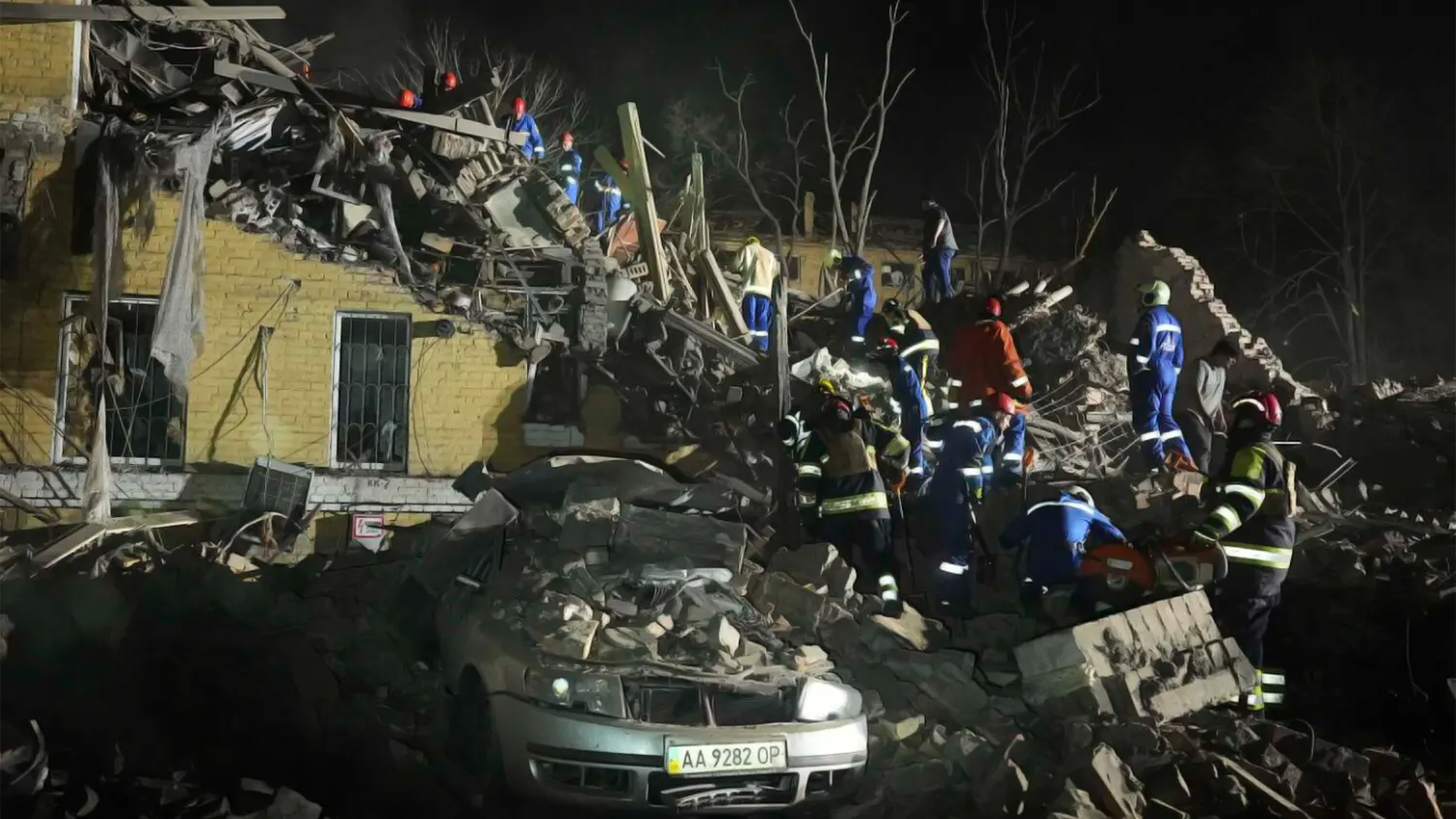
By morning, at least 14 people were dead, three of them children. Dozens more were wounded. Emergency crews were still pulling survivors from the rubble of collapsed residential buildings, and officials warned the death toll would almost certainly climb.
It was one of the deadliest direct strikes on central Kyiv since Russia’s full-scale invasion began in February 2022.
A City Center That Rarely Gets Hit, Until Now
Russia has launched hundreds of missile and drone attacks on Ukraine over the past three years. But strikes landing in the heart of Kyiv in densely populated residential neighborhoods have been comparatively rare.
This time was different.
Residents described violent explosions that shook buildings, shattered windows across entire blocks, and sent thick columns of smoke rising over the city skyline. The scale and precision of the attack caught many off guard, even in a city that has learned to live with the constant threat of war.
How Russia Got Through the Air Defenses
Ukraine’s air defense network is one of the most battle-tested in the world. So how did this happen?
According to Ukraine’s air defense command, Russia deployed a deliberate combination of weapons designed to overwhelm the system all at once. First came decoy drones cheap, expendable, and sent in large numbers specifically to drain Ukraine’s interceptor missiles and confuse radar operators. Then came the real threat: precision cruise missiles and hypersonic ballistic missiles, which travel so fast they give defenders almost no time to react.
Several incoming projectiles were successfully shot down. But enough got through to cause catastrophic damage on the ground.
The EU’s Front Door Got Hit
Among the buildings struck was one that sent a particular shockwave through European capitals, the headquarters of the European Union’s delegation to Ukraine.
EU Ambassador Katarina Mathernova confirmed the building was “severely damaged by the shock wave” and didn’t mince words in her response, calling the attack “Moscow’s true answer to peace efforts.”
Hitting a diplomatic building of this stature isn’t just physical destruction, it’s a message. European leaders immediately condemned the strike, and analysts noted it could further poison an already deeply fractured relationship between Russia and the West.
Zelenskyy’s Response: “Ballistics Instead of the Negotiating Table”
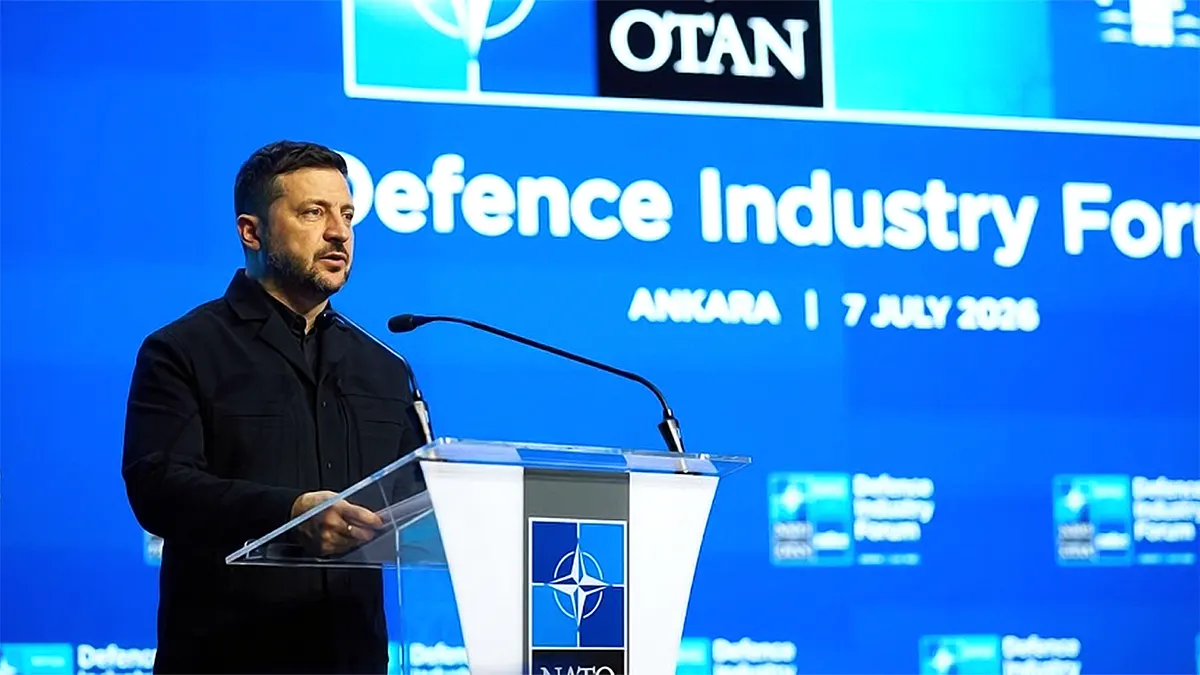
Ukrainian President Volodymyr Zelenskyy addressed the nation following the attack, and his words cut straight to the point.
“Russia chooses ballistics instead of the negotiating table,” he said in a televised address, framing the strike as a deliberate act of sabotage against months of international pressure for a ceasefire. He called it Russia’s “clear response” to diplomatic appeals not a military target, but a political statement made in fire and rubble.
Western officials have long accused Russian President Vladimir Putin of deliberately dragging out the conflict to extract territorial and military advantages while negotiations stall. Wednesday’s attack, many argue, fits that pattern precisely.
The World Responds With Words
Condemnation came swiftly from across the globe.
The United Nations expressed serious concern over civilian casualties and called on Moscow to stop targeting non-military sites. NATO Secretary General Mark Rutte stated plainly that “deliberate strikes against civilians constitute war crimes and will not go unpunished.”
In Washington, the White House reaffirmed its commitment to Ukraine, announcing additional air defense systems and humanitarian aid. European Commission President Ursula von der Leyen pledged that the EU would stand by Ukraine indefinitely and pointed to the strike on the EU delegation building as evidence of the Kremlin’s contempt for international law.
Strong words. But on the ground in Kyiv, they don’t stop the bleeding.
Families Trapped. Hospitals Overwhelmed. Power Cut.
Beyond the politics, the human cost is staggering.
Entire families were trapped beneath collapsed residential blocks. Hospitals across Kyiv scrambled to treat a sudden flood of wounded civilians. Rescue workers continued working through the night and into the morning, pulling survivors and bodies from the debris.
To make things worse, the strikes knocked out power and critical infrastructure across parts of the city, leaving thousands of residents without electricity or heat as recovery efforts got underway. In a city that has already endured years of war, the exhaustion is hard to overstate.
Why Russia Keeps Escalating When the World Is Calling for Peace
Military analysts see a clear strategic logic behind Wednesday’s attack even if it’s a brutal one.
By combining decoy drones, cruise missiles, and hypersonic weapons in a single barrage, Russia is actively trying to evolve faster than Ukraine’s defenses can adapt. The goal is to saturate the sky with enough threats that some will always get through, no matter how sophisticated the interceptors become.
The timing matters too. With Western allies debating future aid packages and international mediators pushing hard for ceasefire talks, the attack sends an unmistakable signal: Russia is not interested in compromise. It is betting that escalation not negotiation serves its interests better right now.
A War That Shows No Signs of Ending
As Kyiv buries its dead and begins yet another round of repairs, Wednesday’s strike stands as a brutal reminder of where this war still stands after more than three years.
Trust between the two sides is at rock bottom. Negotiations have gone nowhere. And the civilians caught in the middle the families in those residential blocks, the three children who did not survive the night continue to pay the heaviest price.
For Ukraine’s allies, the message is clear: the pressure to increase military and humanitarian support has never been stronger. But so has the warning that Russian aggression, left unchecked, will not stay within Ukraine’s borders forever.