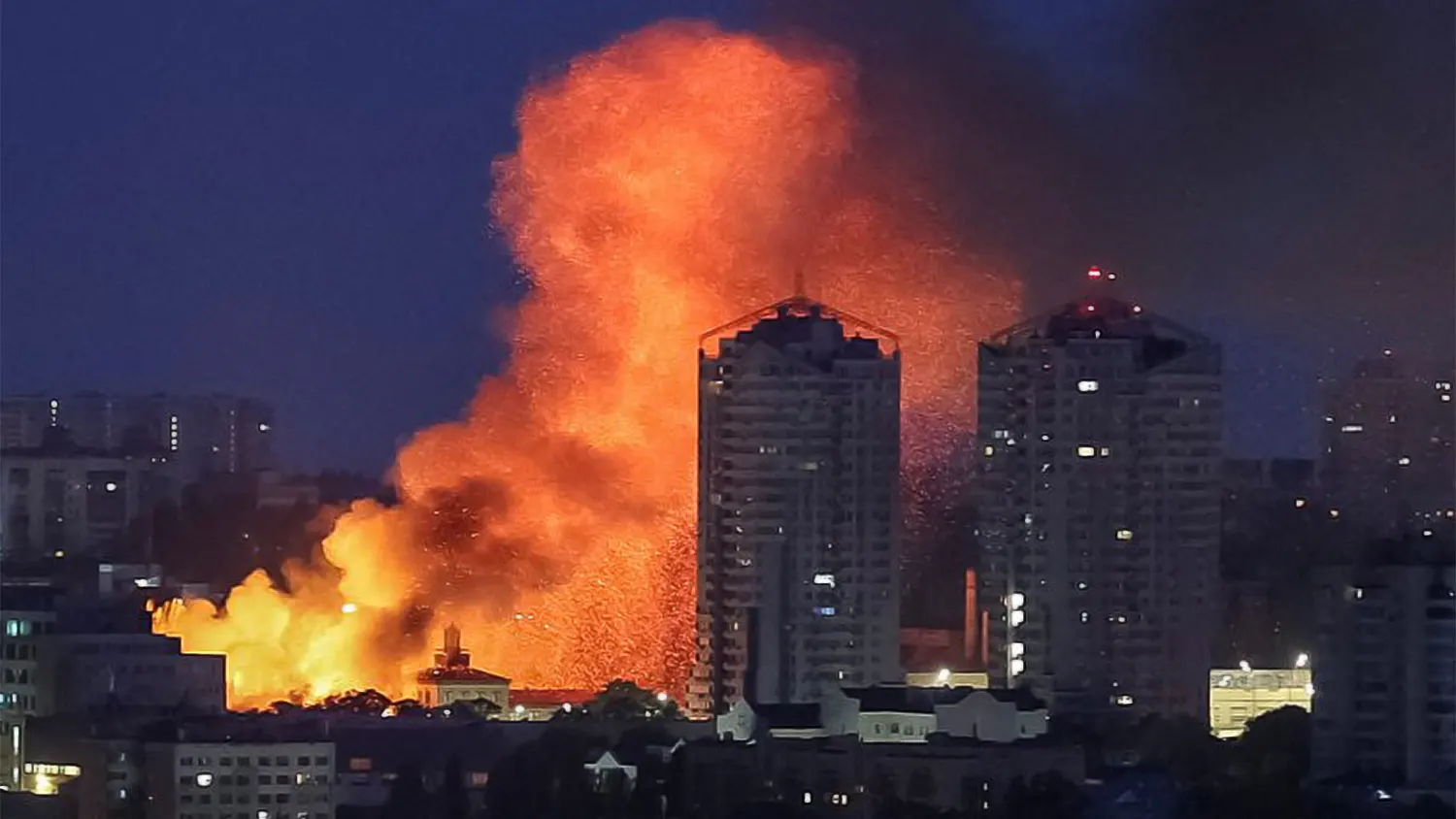
Within the span of just three days, Russia unleashed two of its most devastating aerial assaults on Ukraine since the full-scale invasion began in 2022. The strikes targeting both the capital, Kyiv, and Ukraine’s southern regions killed dozens, wounded hundreds, and reignited urgent questions about how much longer Ukraine’s air defenses can hold the line.
A Night of Fire Over Kyiv
On August 28, 2025, Russian forces launched a coordinated barrage on Kyiv, deploying hundreds of Iranian-made Shahed drones alongside dozens of ballistic and cruise missiles. The scale of the attack was staggering.
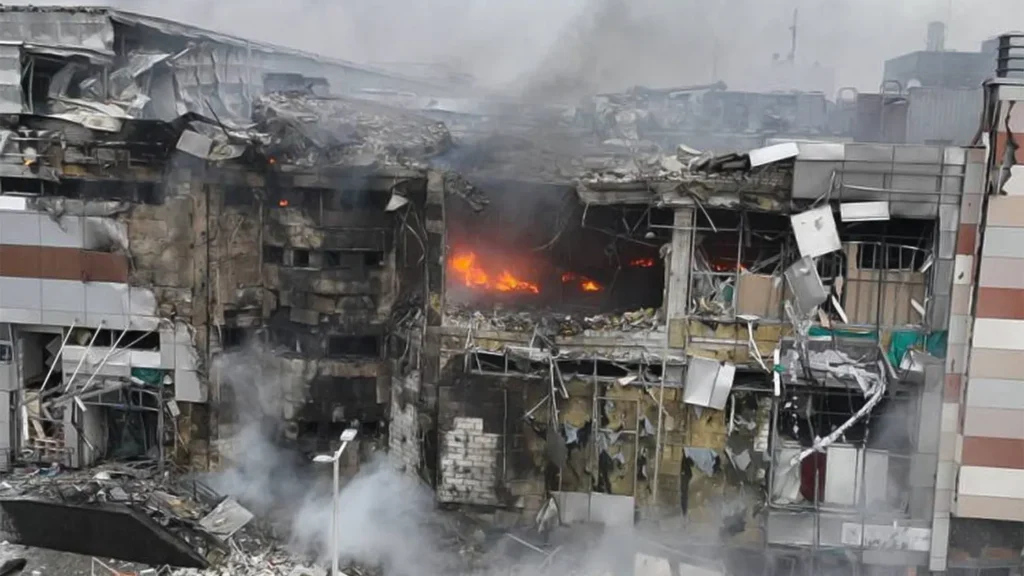
At least 25 civilians were killed, including four children, with dozens more injured. Rescue crews worked through the night digging through the rubble of a five-story apartment building that took a direct hit, one of several residential areas struck across the capital.
The assault didn’t stop at homes. Strikes also hit the European Union’s mission office and the British Council in central Kyiv, a rare and significant escalation, as foreign institutions had largely been spared direct damage throughout the conflict. Both buildings sustained structural damage, though no EU staff were killed.
President Volodymyr Zelenskyy addressed the nation, describing the attack as a “barbaric response to peace initiatives” and a clear signal that Moscow has no genuine interest in negotiations. The EU and the United Kingdom responded by summoning Russian ambassadors to formally protest the strikes as deliberate violations of international law.
Southern Ukraine Struck Two Days Later
Before the dust had settled on Kyiv, Russia struck again. In the early hours of August 30, missiles and drones rained down on Ukraine’s southern and central regions, including Zaporizhzhia. One civilian was killed and 28 others were injured among them children. Another five-story residential building was hit, leaving families homeless overnight.
Ukraine’s Air Force managed to intercept the majority of incoming projectiles, likely preventing a far deadlier toll. Even so, entire neighborhoods were left without power, and already fragile infrastructure took yet another blow.
Draining the Shield: Ukraine’s Air Defense Under Strain
Ukraine’s successful interceptions came at a cost that officials are openly warning about. Every missile shot down depletes a stockpile that cannot be easily or quickly replenished. Ukraine’s Air Force has repeatedly called on Western partners to accelerate deliveries of Patriot systems, NASAMS, and anti-drone technologies and the urgency of those calls is only growing.
President Zelenskyy put it plainly: “Every delay in defense aid costs Ukrainian lives. Russia is counting on fatigue from our partners, but our survival depends on continued solidarity.”
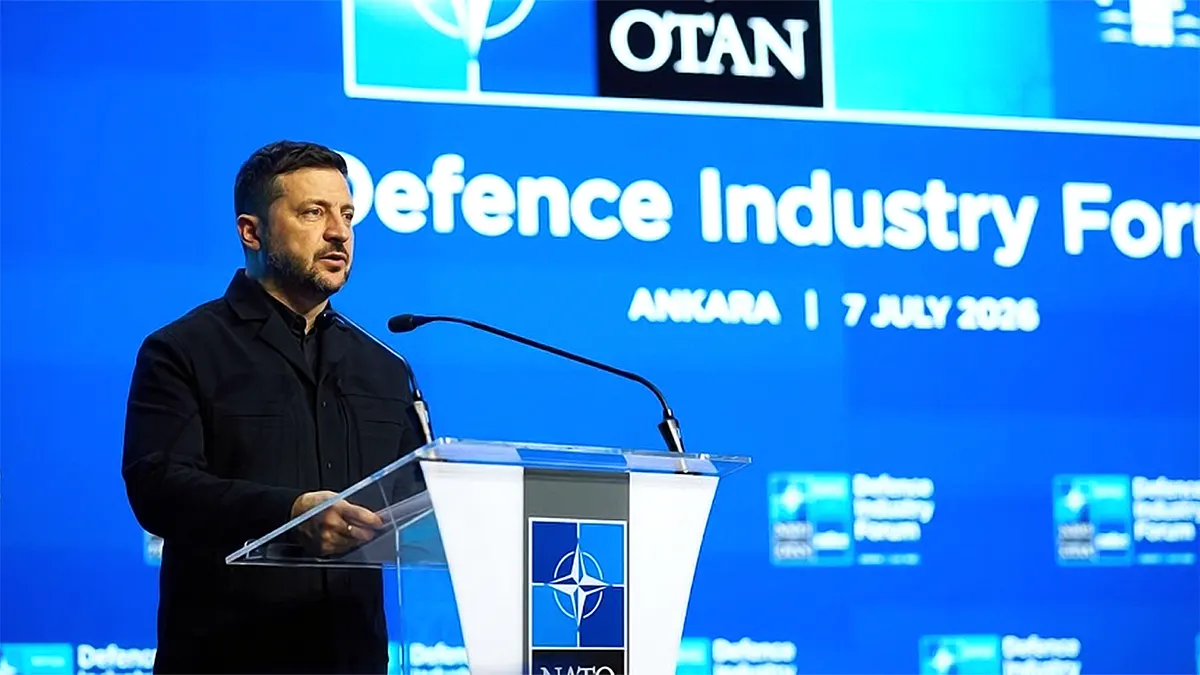
NATO is already planning an emergency session to assess Ukraine’s defense needs in light of the latest strikes.
What Russia Is Really Trying to Do
Military analysts say the back to back attacks are not random, they reflect a deliberate Russian escalation strategy. By forcing Ukraine to burn through expensive interceptor missiles, Moscow is betting it can exhaust Kyiv’s defenses over time. The targeting of residential neighborhoods serves a parallel goal: breaking civilian morale.
Dr. Hanna Kovalenko, a defense analyst at the Kyiv Security Forum, explained it this way: the attacks are as much about psychological warfare as military objectives designed to wear down the population while testing the limits of Ukraine’s air defense coordination.
Russian state media, meanwhile, framed the strikes as a “necessary measure” in response to Western arms deliveries, a narrative that analysts say is also aimed at Western audiences to sow doubt about continued support.
A Fractured Western Response
Condemnation from Western governments came quickly. EU foreign policy chief Josep Borrell labeled the Kyiv assault “a deliberate attempt to terrorize civilians and diplomatic institutions.” But words have been easier to come by than action.
The United States reiterated its support for Ukraine without announcing new sanctions a cautious stance that has fueled debate about whether American commitment is beginning to plateau amid domestic political divisions.
Europe itself remains split. Poland, the Baltic states, and the Nordic countries are pushing for tougher measures, while Hungary and Slovakia continue to resist, wary of further economic fallout. That division is now complicating discussions over a new EU sanctions package against Russia.
Civilians Bear the Brunt
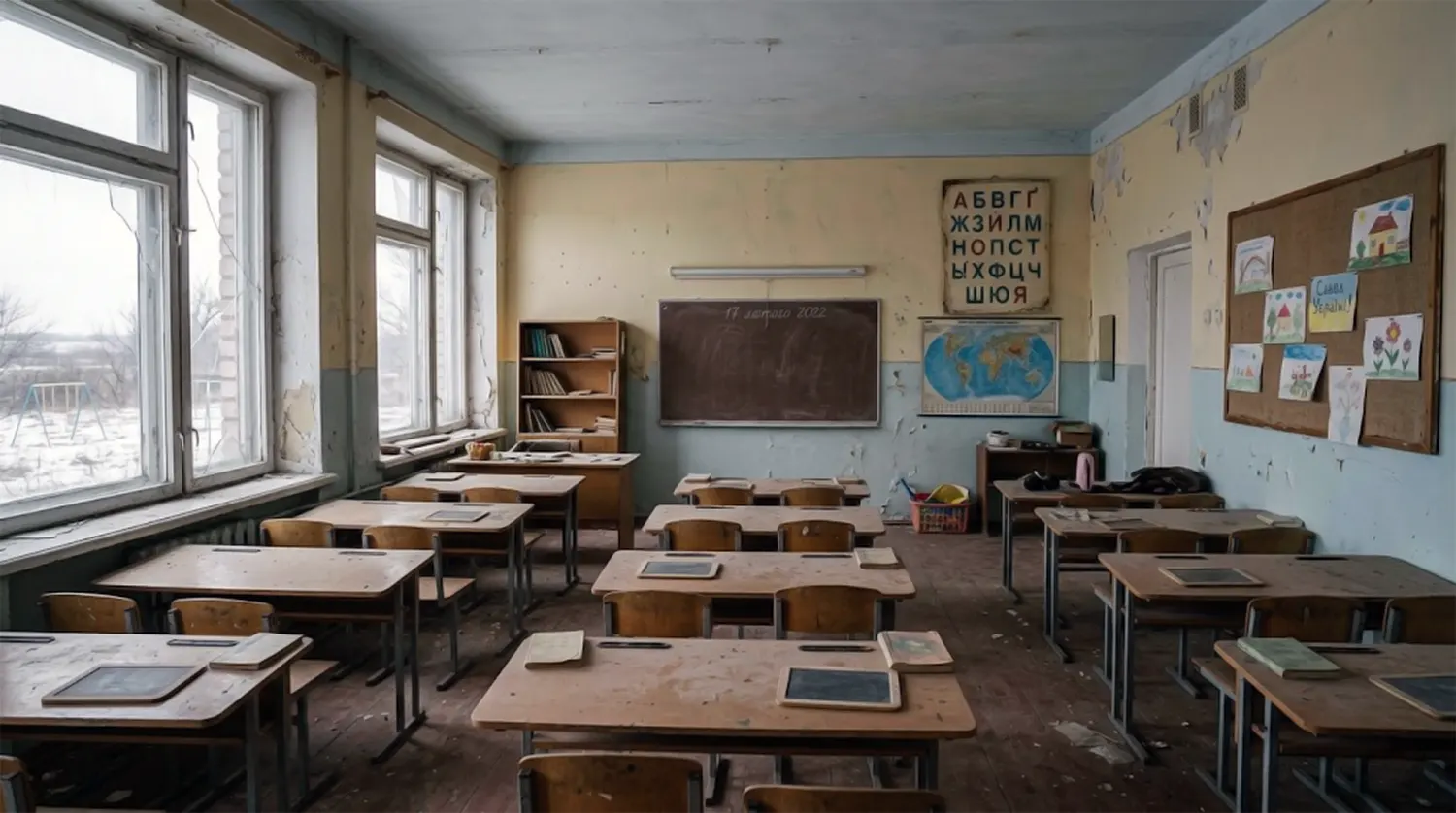
The human toll of both strikes extends beyond the immediate casualties. Ukraine’s internally displaced population already in the millions after years of war is growing again. Emergency shelters in Kyiv and Zaporizhzhia are at capacity, according to the UN Office for the Coordination of Humanitarian Affairs (OCHA). Medical services are overwhelmed, and winter preparation efforts have been set back by the destruction of heating facilities.
Aid organizations warn that with cold months approaching, the destruction of homes and utilities could push hundreds of thousands more Ukrainians into crisis.
Bracing for a Long Winter
The timing of Russia’s offensive is no accident. Striking civilian infrastructure before winter heating systems, power grids, water facilities is a well-documented Russian tactic aimed at maximizing suffering during the coldest months. Analysts warn that the August strikes may be the opening move in a broader winter campaign designed to break Ukraine’s resilience through a combination of military pressure and humanitarian exhaustion.
For Kyiv, the months ahead will demand a difficult balancing act: keeping its military defenses operational while sustaining civilian morale and continuing to persuade increasingly fatigued international partners that the stakes of abandoning Ukraine remain as high as ever.