The Korean Peninsula is tense again and this time, it took just 30 soldiers and a few seconds across an invisible line to bring things to a boil.
What Happened at the Border
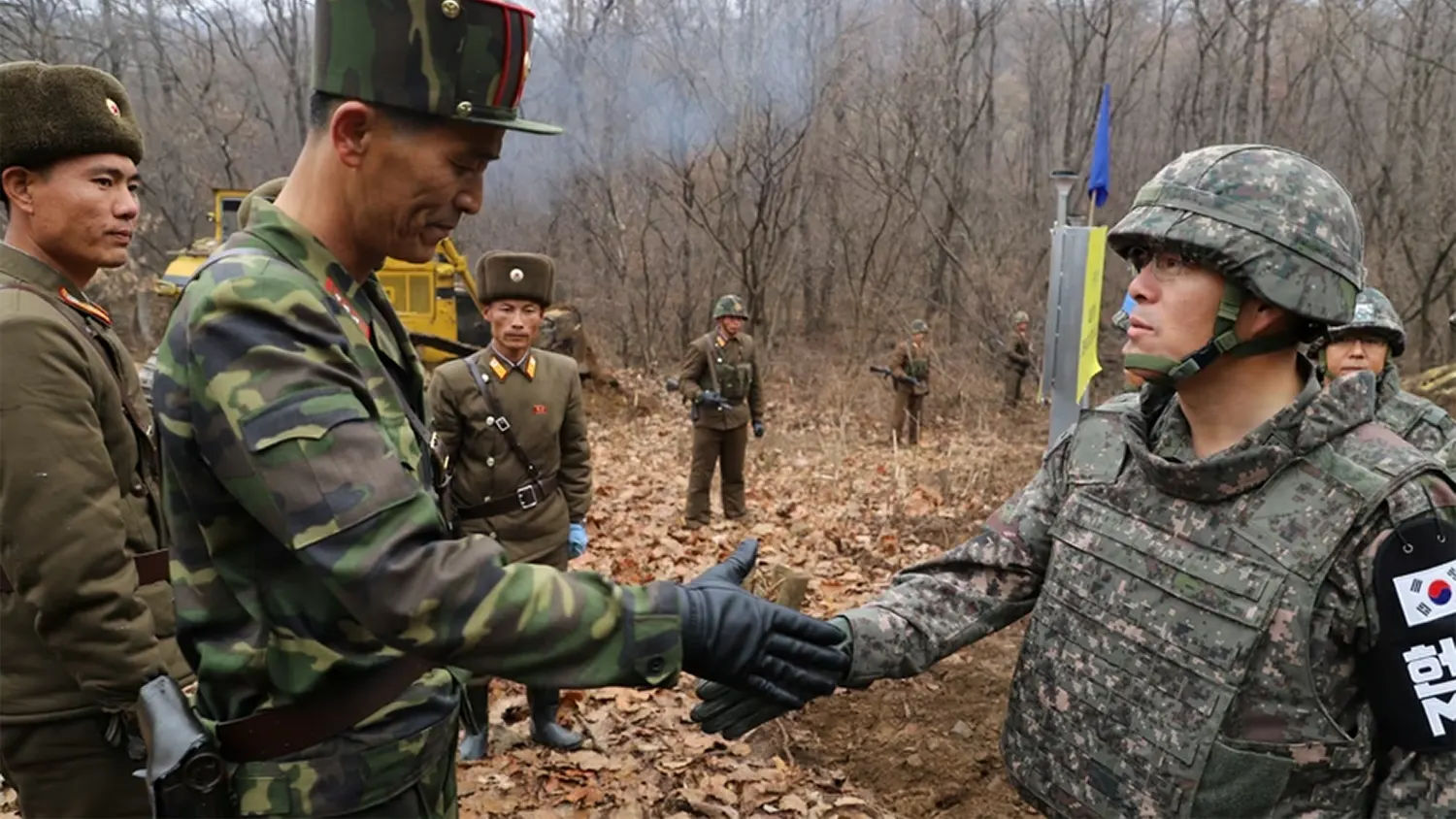
On August 19, roughly 30 North Korean troops appeared near the Military Demarcation Line, the razor thin boundary that divides the two Koreas inside the Demilitarized Zone. South Korean officials said the group seemed to be doing maintenance work until they crossed the line.
Loudspeaker warnings went out. The soldiers didn’t turn back. South Korean forces then fired more than 10 warning rounds from a machine gun. The North Korean troops retreated. No one was hurt, and a subsequent review by the United Nations Command confirmed the crossing had taken place.
It was over in minutes. But the fallout was just getting started.
Pyongyang Comes Out Swinging
North Korea didn’t let it slide. Through state media, Lieutenant General Ko Jong Chol called the incident a “premeditated military provocation designed to spark conflict” language that left little room for diplomatic nuance.
Pyongyang also pointed a finger at the timing. The crossing happened while South Korea and the United States were conducting their annual joint military exercises, which North Korea has consistently framed as rehearsals for invasion. Ko went further, warning that if North Korea’s ongoing border construction is interfered with, the country will take “corresponding countermeasures.”
That’s a vague threat but on the Korean Peninsula, vague threats carry weight.
Why the Timing Makes This More Complicated
Warning shots at the DMZ aren’t new. But this incident didn’t happen in isolation. North Korea has been accelerating its border fortifications and showing off new weapons systems. South Korea has been running war games with U.S. forces. And diplomatic channels between the two sides remain essentially dead.
“This is a reminder of just how volatile the border remains,” said Lee Woo-jin, a senior defense analyst in Seoul. “Even something as minor as an engineering team working near the line can be misinterpreted and lead to escalation.”
That word misinterpreted is doing a lot of work here.
The Real Danger Isn’t a War. It’s a Mistake.
Security experts aren’t sounding alarms about an imminent military conflict. What worries them more is how easily a routine moment can spiral into something no one intended.
“Every year, tensions rise around military exercises, but the language this time is particularly sharp,” said Jenny Park, an international relations researcher. “North Korea is signaling that it will respond aggressively if it feels threatened or if its activities are disrupted.”
Lee put it even more plainly: “The risk is not in a deliberate attack, but in miscalculation. When you have heavily armed soldiers facing each other across a narrow strip, small mistakes can spiral quickly.”
More construction, more patrols, and fewer communication lines mean more chances for something to go wrong not because either side wants war, but because the conditions for accidents keep multiplying.
Where Things Stand Now
As of now, the situation hasn’t escalated beyond the initial exchange. The United States and Japan have both called for calm, urging all parties to show restraint. Diplomats are warning, not for the first time, that without some form of dialogue, every confrontation inches closer to an unintended clash.
The DMZ remains what it has always been since the Korean Armistice of 1953 one of the most heavily armed borders on earth, and a daily reminder that the Korean War never officially ended. The peace holding it together isn’t built on trust. It’s built on the hope that no one makes the wrong move at the wrong moment.
That hope is getting harder to sustain.