The Korean Peninsula is on edge again. North Korea has test-fired new air defense missiles and accused South Korea of deliberately provoking its troops at the border and the language coming out of Pyongyang is some of the sharpest it has used in months.
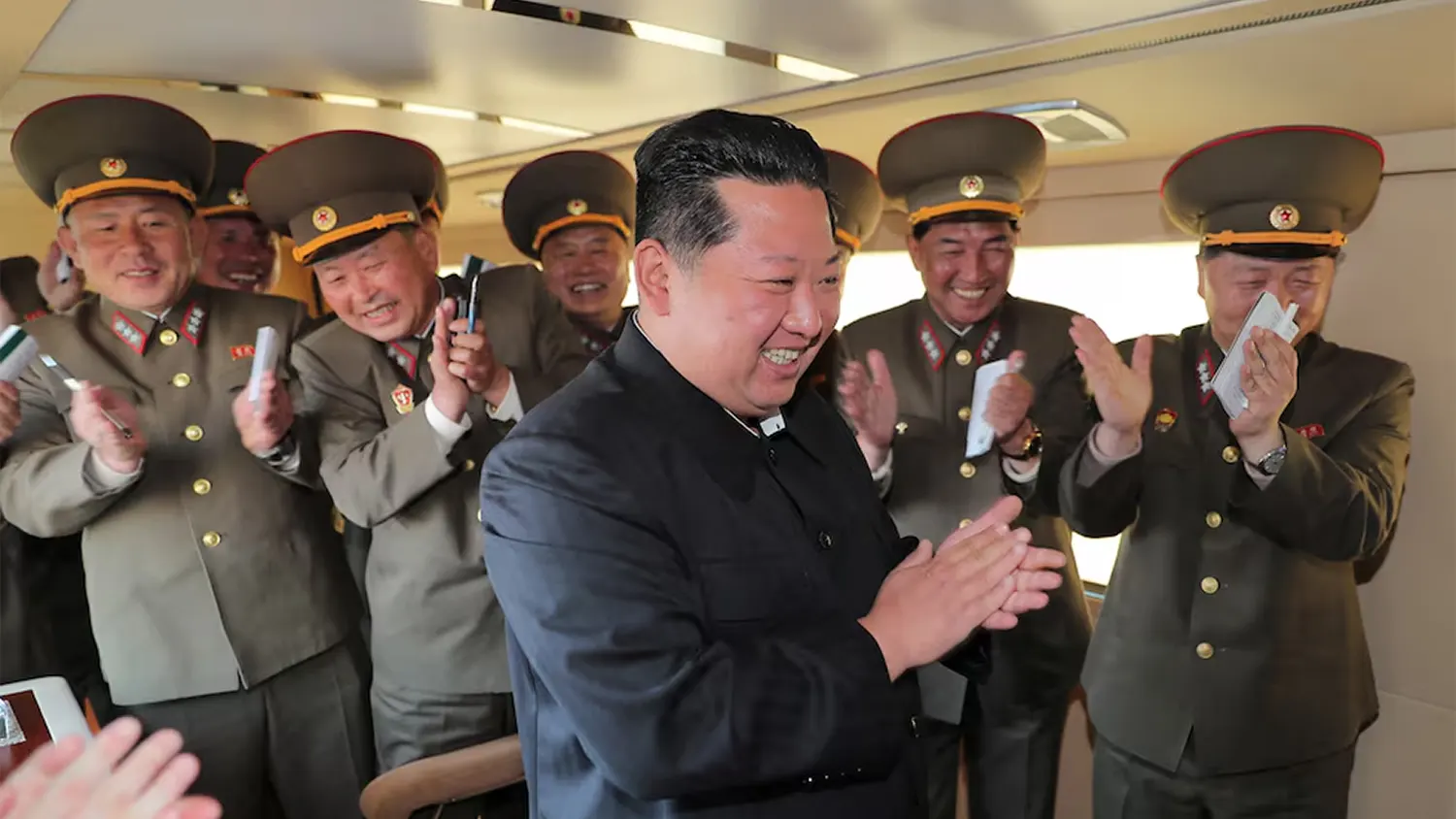
Kim Jong Un personally oversaw Saturday’s missile tests, according to North Korean state media. The timing was hard to miss, the launches came in the middle of the Ulchi Freedom Shield joint military drills being conducted by the United States and South Korea, exercises that Pyongyang has consistently condemned as a rehearsal for invasion.
What Happened at the DMZ
Days before the missile tests, a tense confrontation unfolded at the Demilitarized Zone. South Korea’s Joint Chiefs of Staff said its troops fired more than 10 warning shots from a machine gun after a group of North Korean soldiers briefly crossed the Military Demarcation Line the official boundary dividing the two countries.
The North Korean soldiers were reportedly there as part of a border barrier construction project, not as an armed incursion. But the warning shots were enough to trigger a sharp response from Pyongyang.
Pyongyang Calls It a “Premeditated Provocation”
North Korean state media, citing Lieutenant General Ko Jong Chol, called the warning shots a “premeditated and deliberate provocation.” The statement went further, warning that the situation could spiral into an “uncontrollable phase”, a phrase that analysts typically read as a signal that Pyongyang is keeping military options on the table.
Whether that’s a genuine threat or calculated rhetoric, it adds another layer of pressure to an already fragile situation.
A Relationship That Was Already Going Nowhere
The timing is also awkward politically. South Korea’s new president came into office promising to build “military trust” with North Korea, a stark contrast to the harder line taken by his predecessor. Pyongyang, however, has shown no interest in that kind of outreach.
Instead, the North has been quietly but steadily modernizing its military. It has also reportedly deepened its ties with Russia, with some sources claiming North Korea has sent thousands of troops and weapons to support Russia’s war effort in Ukraine, a development that has alarmed both Seoul and Washington.
The Risk Nobody Wants to Think About
What makes the current moment particularly concerning is not any single event, it’s the pattern. Both sides are locked in a cycle of action and reaction, each move read by the other as a threat. In that kind of environment, the risk of miscalculation grows.
The Korean Peninsula has lived with this tension for decades, but the combination of a new South Korean government still finding its footing, an emboldened North Korea, and a shifting global military landscape makes this moment feel different. Whether it leads anywhere dangerous depends, in large part, on whether either side is willing to step back and right now, neither appears to be.