North Korea has once again raised tensions on the Korean Peninsula. On March 14, 2026, Pyongyang launched a barrage of projectiles toward the sea off its east coast while the United States and South Korea were conducting their annual military exercises.
The test was not just another routine launch. North Korean leader Kim Jong Un personally oversaw the drill and described the weapons as nuclear capable systems meant to send a warning to regional adversaries.
While no ships or aircraft were harmed, the event underscores how fragile security remains in Northeast Asia. As military drills, missile tests, and diplomatic signals unfold at the same time, the Korean Peninsula once again finds itself at the center of a delicate geopolitical balancing act.
The Latest Missile Launch
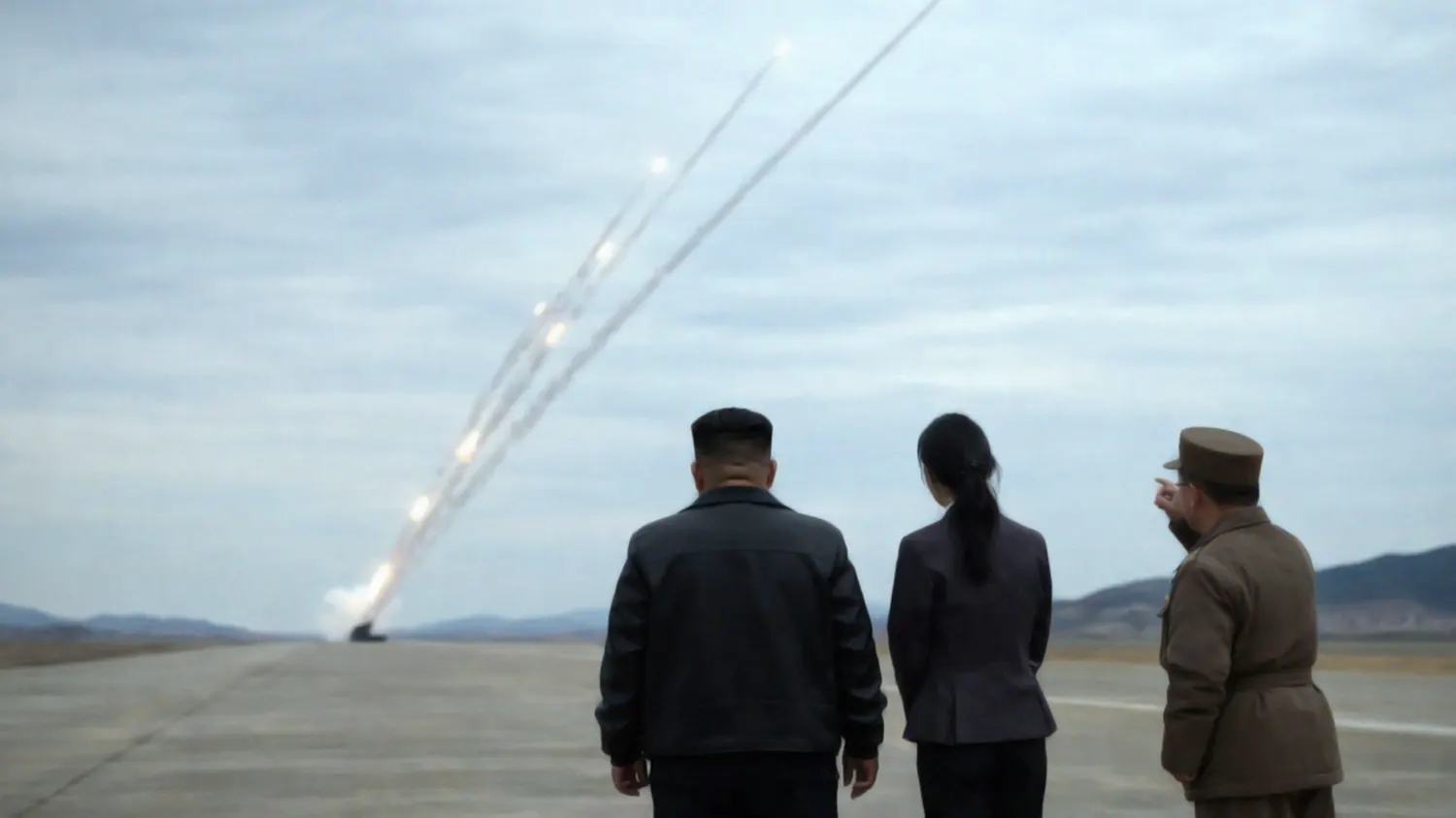
The incident began on Saturday, March 14, when North Korea fired around 10 projectiles from the Sunan area near Pyongyang toward the East Sea, also known as the Sea of Japan.
South Korean and Japanese authorities initially assessed the projectiles as short range ballistic missiles, based on their launch profile and trajectory. The projectiles traveled roughly 340 to 350 kilometers before landing in the sea, well outside Japan’s exclusive economic zone.
Importantly, no damage was reported to commercial shipping or aircraft, but the scale of the launch drew immediate attention from regional governments.
The launches were notable because multiple missiles were fired in quick succession,
a tactic Pyongyang often uses to demonstrate its ability to overwhelm missile defense systems.
What North Korea Says It Tested
Shortly after the event, North Korean state media offered a different description of the weapons involved.
According to the Korean Central News Agency (KCNA), the exercise involved 12 “state of the art” 600 millimeter multiple rocket launchers, which Pyongyang says are capable of delivering tactical nuclear payloads.
Leader Kim Jong Un reportedly supervised the test personally and said the systems were designed to strike targets within a range of roughly 420 kilometers.
Kim described the purpose of the drill as demonstrating the “destructive power of tactical nuclear weapons” and creating a sense of “uneasiness” for enemies within range.
Regional intelligence analysts consider the threat credible, although Pyongyang’s specific claims about operational nuclear deployment cannot be independently verified.
The Trigger: U.S.–South Korea “Freedom Shield” Exercises
The missile launch came at a highly predictable moment.
Every spring, the United States and South Korea conduct a joint military exercise called Freedom Shield, a large scale training program designed to improve coordination between allied forces.
The Freedom Shield 2026 drills began on March 9 and are scheduled to run through March 19.
These exercises include:
- Computer simulated command training
- Field exercises conducted under the “Warrior Shield” program
- Integrated operations across land, air, sea, cyber, and space domains
U.S. and South Korean officials insist that Freedom Shield is purely defensive, intended to maintain readiness against potential threats.
However, Pyongyang has long viewed the drills very differently.
North Korea consistently labels the exercises “rehearsals for invasion.” As a result,
the regime frequently responds with missile tests or military demonstrations during the same period.
This year’s barrage appears to follow that familiar pattern.
A Broader Signal About Nuclear Weapons
Beyond responding to military exercises, the test also carried a deeper strategic message.
By describing the weapons as “tactical nuclear systems,” North Korea is emphasizing its growing nuclear capabilities and its ability to threaten nearby military bases or infrastructure.
Tactical nuclear weapons are designed for battlefield use rather than long range strategic strikes, making them particularly relevant for regional targets such as South Korea or U.S. military facilities stationed in the area.
Kim Jong Un’s remarks suggest that Pyongyang wants its rivals to recognize this capability and feel uneasy about it.
This messaging is part of a broader strategic shift. North Korea increasingly frames its nuclear arsenal as a permanent reality that other countries must accept.
Regional Reactions
The response from neighboring countries was swift.
South Korea’s Joint Chiefs of Staff announced that the military has moved to a heightened surveillance posture, closely monitoring North Korea for any additional launches.
Seoul also condemned the tests as clear violations of United Nations Security Council resolutions, which prohibit North Korea from developing or testing ballistic missile technology.
Japan issued a similar response.
Japanese Prime Minister Sanae Takaichi instructed government agencies to ensure the safety of ships and aircraft in nearby waters while remaining fully prepared for contingencies.
Meanwhile, the United States, South Korea, and Japan are coordinating closely, sharing intelligence and monitoring developments as the Freedom Shield exercises continue.
The Diplomatic Backdrop
Interestingly, the military tensions are unfolding at a time when diplomatic signals are also beginning to surface.
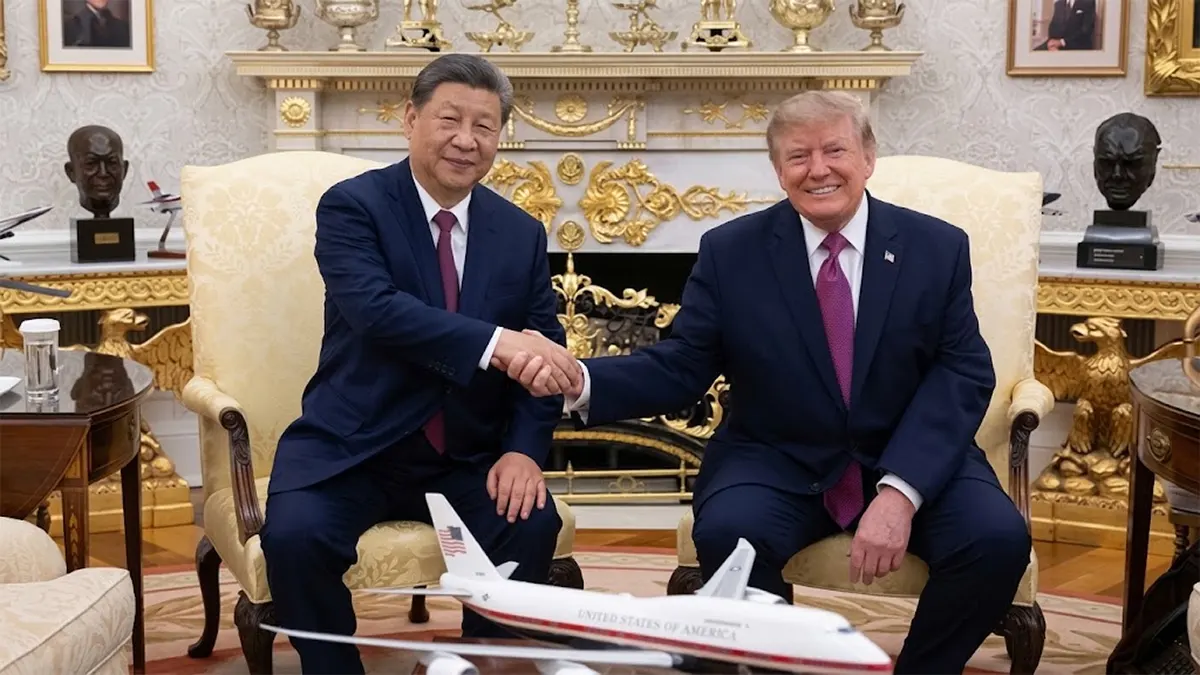
Recent reports suggest that U.S. President Donald Trump has expressed openness to resuming dialogue with Kim Jong Un, potentially around the time of an upcoming summit in Beijing later this month.
South Korean officials have quietly explored possible pathways to facilitate such talks.
However, Pyongyang has set a clear condition.
Kim Jong Un has indicated that relations could improve only if Washington accepts North Korea as a nuclear armed state.
For the United States and its allies, that demand remains a major obstacle to any renewed negotiations.
Why the Situation Matters
At first glance, missile tests like this might seem routine. North Korea has conducted many similar launches over the years.
Yet each demonstration carries important strategic implications.
First, they show that North Korea continues to expand and refine its missile and nuclear capabilities.
Second, the launches test the strength and coordination of regional alliances, particularly the security partnership between the United States, South Korea, and Japan.
Finally, such demonstrations often serve as political signals ahead of potential diplomatic negotiations, allowing Pyongyang to strengthen its bargaining position.
In that sense, the missiles are not just weapons. They are tools of geopolitical messaging.
What Happens Next
For now, the situation remains tense but controlled.
The Freedom Shield exercises will continue through March 19, and allied forces are maintaining a high level of readiness.
Security analysts will be watching for several possible developments in the coming days:
- Additional missile tests or military demonstrations
- Escalating rhetoric from Pyongyang or allied governments
- Potential diplomatic outreach tied to upcoming international meetings
Because North Korea often follows major allied exercises with further provocations,
the coming days will be closely monitored across the region.
The Korean Peninsula’s Uncertain Path Forward
North Korea’s missile barrage during the Freedom Shield exercises represents both a military demonstration and a political message.
By showcasing systems it claims are capable of delivering tactical nuclear weapons, Pyongyang is signaling that it remains a powerful and unpredictable player in regional security.
At the same time, hints of possible diplomatic engagement suggest that the confrontation could eventually shift back toward negotiation.
For now, however, the Korean Peninsula remains a place where military drills, missile tests, and diplomacy unfold side by side each shaping the next move in a long running geopolitical standoff.