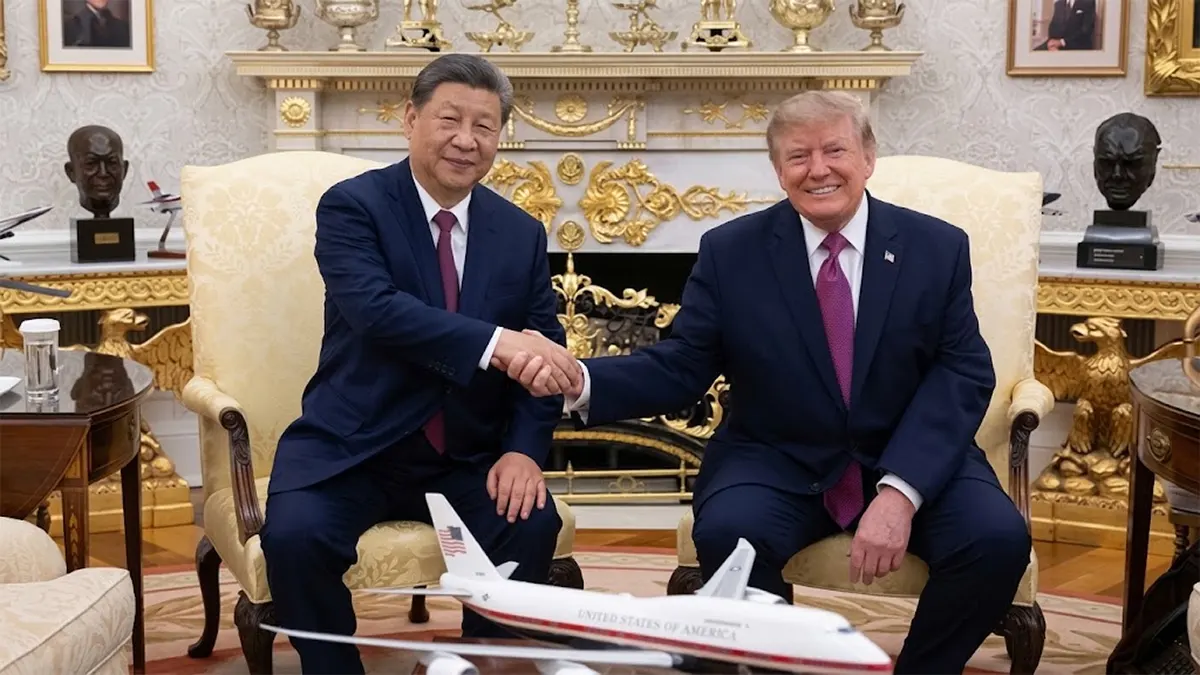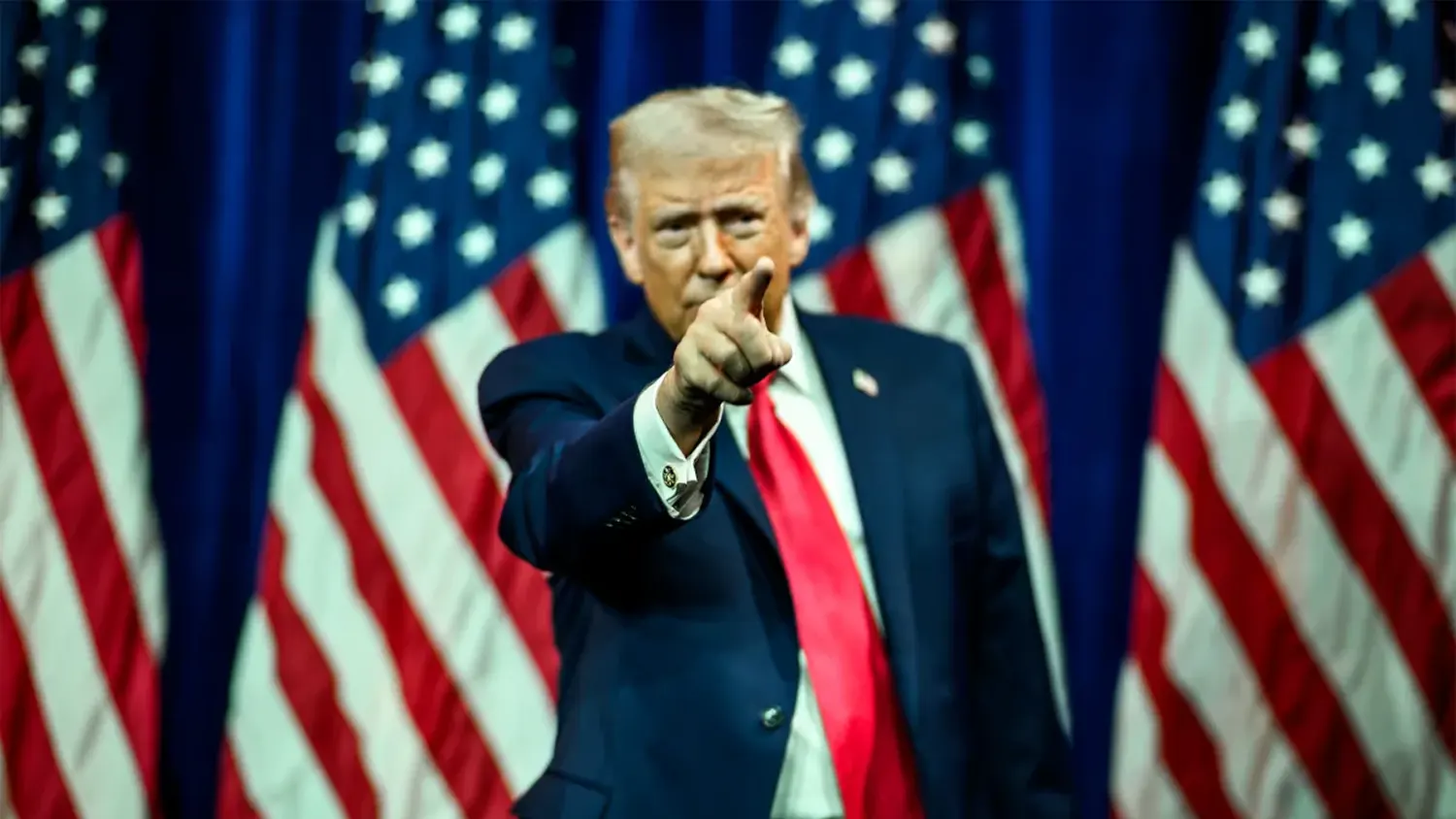
President Donald Trump has ordered a sharp increase in tariffs on European vehicles, escalating tensions with key allies and rattling global markets. The new measure raises duties on imported cars and trucks from the European Union to 25% starting this week, up from the 15% cap agreed just months ago. The decision effectively unravels parts of the 2025 trade framework and signals a more confrontational U.S. stance.
That shift is significant because it reverses a deal meant to stabilize transatlantic trade. The so-called “Turnberry Agreement” of July 2025 had set limits on tariffs, aiming to ease friction between Washington and Brussels. But Trump now argues the EU is “not complying” with its commitments, though his administration has not detailed specific violations.
The White House has paired the tariff hike with a domestic message. Trump emphasized that vehicles built in the United States will avoid the new duties, framing the move as a push for “Made in USA” manufacturing. He also pointed to more than $100 billion in planned auto investment, presenting the tariffs as a catalyst for reshoring production.
But the real shift came in how the policy reframes trade as leverage. By invoking national security-style authorities similar to Section 232, the administration is signaling that economic measures can serve broader strategic goals, not just commercial ones.
A tariff hike that hits imports hardest and reshapes industry strategy
The immediate impact falls unevenly across the auto industry. Manufacturers that rely heavily on exports to the U.S. face the greatest risk, while those with domestic production have some protection. This creates what analysts describe as a “bifurcated impact” across the sector.
Luxury brands are especially exposed. Companies like Audi, Porsche, and Lamborghini export most of their U.S. models from Europe, leaving them fully exposed to the 25% tariff. Analysts warn that this could lead to sharp price increases or declining sales volumes, particularly in a market already sensitive to rising costs.
Other firms face a more complex calculation. Stellantis, which owns brands such as Alfa Romeo and Maserati, has a strong U.S. presence through Jeep and Ram. But its European luxury lines are almost entirely imported, making them vulnerable to sudden price shocks and reduced competitiveness.
That raises a second question: can partial U.S. production shield companies from the worst effects? For some, the answer is mixed.
Why even U.S.-based factories may not escape the cost surge
Automakers like BMW and Mercedes-Benz occupy a middle ground. Both operate large U.S. plants producing popular SUVs domestically which allows them to avoid tariffs on high-volume models. This gives them a critical advantage in maintaining market share.
Yet that protection is incomplete. Many flagship sedans and performance vehicles are still imported from Europe, meaning premium segments remain exposed to higher costs. In addition, supply chains complicate the picture.
Modern vehicles rely on globally sourced components. Engines, transmissions, and advanced electronics often cross borders multiple times before assembly. If tariffs expand to parts, analysts warn that even U.S.-built cars could become significantly more expensive, adding thousands of dollars per vehicle.
What makes this even more urgent is how quickly markets have reacted. Shares of major automakers fell in the days following the announcement, reflecting investor concern over shrinking margins and weaker demand.
Europe signals retaliation as trade tensions widen beyond cars
The response from Brussels has been swift and pointed. European officials have framed the tariff increase as a breach of trust and a rollback of prior commitments. Bernd Lange, a senior trade official, described the United States as an “unreliable partner,” underscoring the diplomatic fallout.
The European Commission has rejected claims of non-compliance, insisting it is implementing the 2025 agreement “in line with standard legislative practice.” At the same time, it has warned that it will “keep its options open”, a phrase widely interpreted as preparation for retaliation.
That retaliation is unlikely to be broad and unfocused. Instead, the EU is expected to deploy a targeted strategy aimed at politically sensitive U.S. industries. Past disputes offer a clear template.
Products such as Kentucky bourbon, Florida orange juice, and Harley-Davidson motorcycles have previously been singled out because they apply pressure to key political constituencies. Agricultural exports like almonds and corn could also be targeted, amplifying the economic impact.
A trade dispute unfolding amid deeper geopolitical strain
The timing of this escalation adds another layer of risk. The tariff dispute comes as global markets are already grappling with high energy costs and supply chain disruptions linked to conflict in the Middle East. This makes the economic environment far less resilient than in previous trade clashes.
Energy prices, in particular, have placed European manufacturers under strain. Higher production costs mean companies have less capacity to absorb new tariffs, increasing the likelihood that costs will be passed on to consumers or result in reduced output.
At the same time, the dispute may reflect broader geopolitical tensions. Some analysts believe the tariffs are being used as leverage to pressure Europe on security issues, including naval involvement in key shipping routes. While not officially confirmed, the overlap between trade and security concerns is becoming harder to ignore.
That convergence raises the stakes. What began as a disagreement over tariffs is evolving into a wider test of transatlantic cooperation, with implications that extend beyond the auto sector.
A fragile alliance faces a defining economic test
For now, both sides are signaling readiness but not immediate escalation. The EU is expected to seek legal clarification and may file a complaint with the World Trade Organization, even as it prepares a calibrated response within weeks if tariffs take effect.
This measured approach reflects the high stakes. A full-scale trade conflict would disrupt supply chains, raise consumer prices, and strain political ties between long-standing allies. Yet neither side appears willing to back down quickly.
The result is a tense waiting period. Markets, manufacturers, and policymakers are watching closely as the first tariffs come into force. And as pressure builds on both sides of the Atlantic, the question is no longer just about cars but about how far the world’s closest economic partners are willing to push each other.