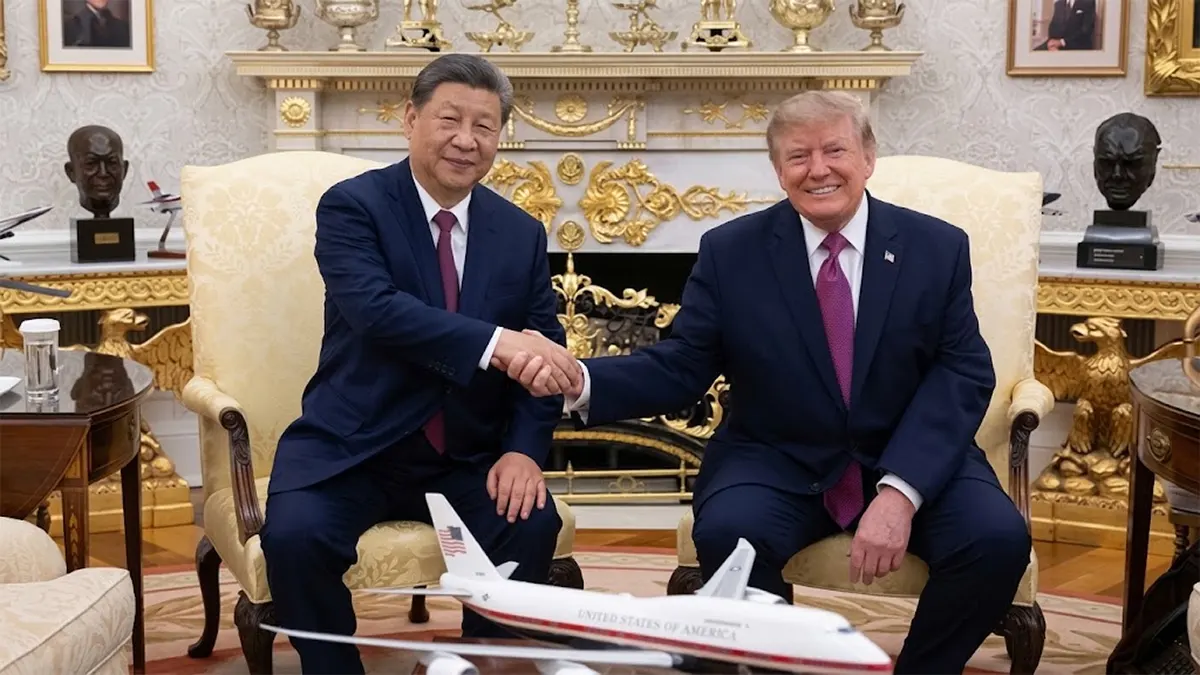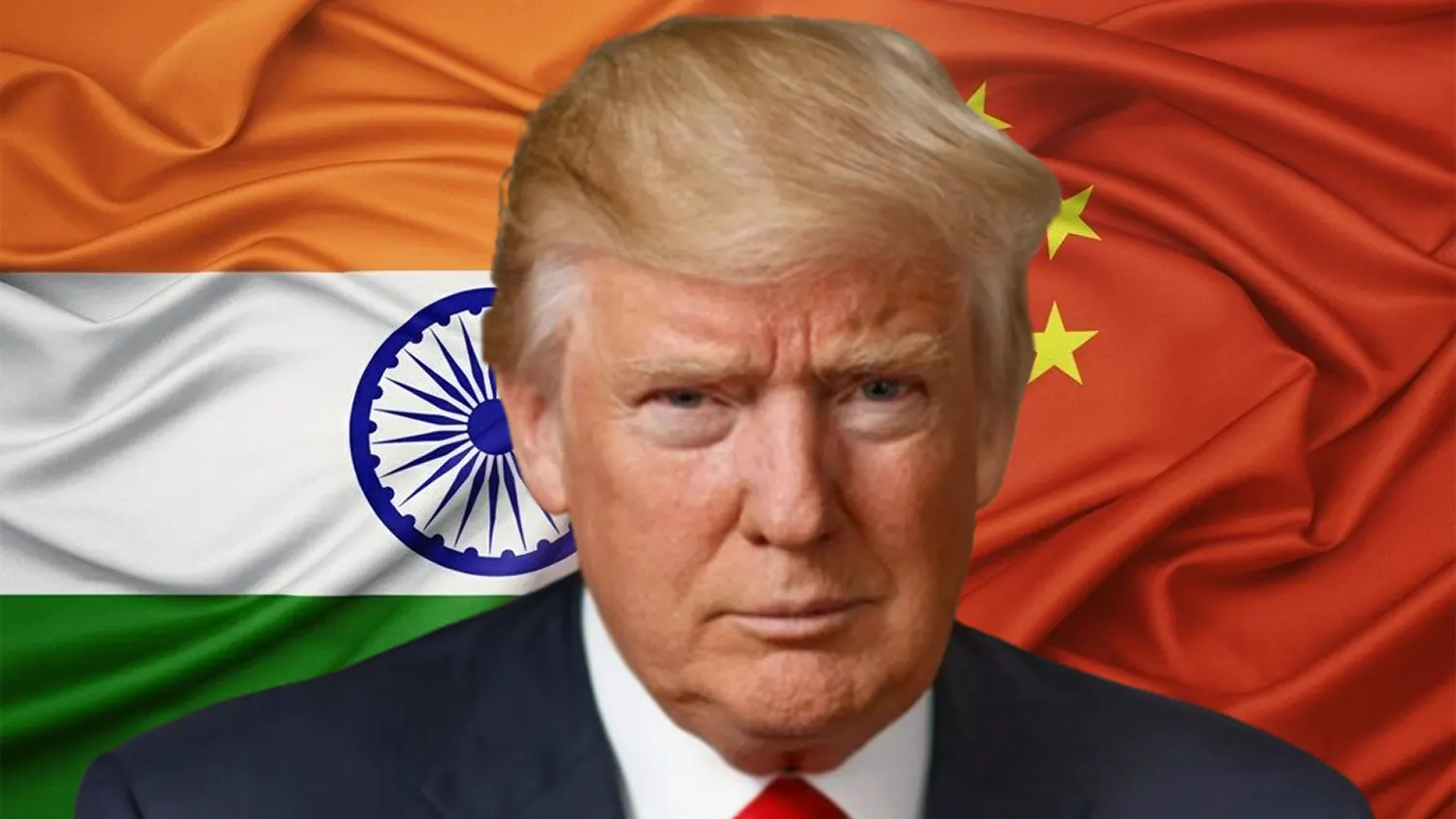
U.S. President Donald Trump is reportedly urging the European Union to impose tariffs of up to 100% on imports from China and India in an effort to increase economic pressure on Russia.
According to diplomatic sources, the proposal was discussed during a conference call involving European officials and EU sanctions representatives. The strategy would target countries that continue buying large amounts of Russian oil, a key source of funding for Moscow’s war effort in Ukraine.
If implemented, the move could dramatically reshape global trade relations and escalate economic tensions between the West and some of the world’s largest economies.
Russia’s Oil Trade Remains a Major Lifeline
Since the war in Ukraine intensified in 2022, Western countries have imposed heavy sanctions on Russia’s banking system, businesses, and energy sector.
Despite those restrictions, Russia has continued earning massive oil revenues thanks largely to exports to China and India.
Both countries sharply increased purchases of discounted Russian crude oil after many Western buyers pulled back.
For China, cheaper Russian energy has helped strengthen long-term economic and strategic ties with Moscow.
India, meanwhile, has tried to balance relations with both Russia and Western nations while taking advantage of lower energy prices to support its economy.
Those oil purchases have helped Russia soften the impact of Western sanctions and continue financing military operations.
Trump’s Plan Targets Countries Doing Business With Russia
The reported proposal signals a more aggressive strategy focused on punishing countries that continue supporting Russia economically.
Instead of targeting Moscow directly, the plan would place heavy tariffs on Chinese and Indian exports entering Western markets.
Supporters of the idea argue that sanctions against Russia alone have not been enough to weaken the Kremlin’s economy.
By increasing economic pressure on China and India, Trump appears to be trying to force major global powers to choose between maintaining trade access with the West or continuing strong economic ties with Russia.
Analysts say the approach fits closely with Trump’s long-standing “America First” trade policies and his preference for direct economic pressure tactics.
China Responds Strongly to Tariff Threats
Chinese officials quickly rejected the proposal.
A spokesperson for China’s Foreign Ministry accused the United States of politicizing trade and using economic coercion to pressure other nations.
Beijing also warned that aggressive tariff measures could further destabilize global markets at a time when many economies are already struggling with inflation and slowing growth.
The dispute threatens to deepen tensions between Washington and Beijing, which have already faced years of conflict over trade, technology, and geopolitical influence.
India Faces Growing Pressure From the West
India’s reaction has been more cautious, but officials reportedly expressed concern over what they see as unfair treatment from Western governments.
Although India has maintained strong defense and economic relationships with the United States and Europe, its continued oil trade with Russia has become an increasingly sensitive issue.
At the same time, Washington continues to view India as a critical strategic partner in countering China’s influence in the Indo-Pacific region.
That creates a complicated diplomatic situation for both sides.
Even as tougher tariffs are discussed, reports suggest ongoing talks between Trump allies and Narendra Modi are continuing behind the scenes to improve trade and defense cooperation.
Europe Remains Deeply Divided
Inside the European Union, the proposal has reportedly triggered major disagreement.
Eastern European countries such as Poland and the Baltic states are said to support tougher economic measures against countries helping Russia maintain oil revenues.
However, major European economies including Germany, France, and Italy remain hesitant.
Many European leaders fear that imposing massive tariffs on Chinese imports could severely disrupt supply chains, increase prices, and worsen inflation across Europe.
There are also concerns that pushing China and India too aggressively could strengthen alternative economic alliances such as BRICS, which includes Brazil, Russia, India, China, and South Africa.
Analysts Warn of Global Economic Risks
Economists and foreign policy experts remain divided over whether the strategy would work.
Supporters believe stronger economic pressure on Russia’s trading partners could eventually weaken Moscow’s ability to sustain the war in Ukraine.
Critics, however, warn that such extreme tariffs could trigger a broader global trade war involving the world’s largest economies.
Some analysts also fear the move could damage relationships with countries whose cooperation is needed on issues like climate policy, cybersecurity, and regional security.
Others suggest the proposal may also have political motivations tied to Trump’s broader economic messaging ahead of future elections.
A New Economic Front in the Ukraine War
The proposal highlights how the conflict in Ukraine is increasingly expanding beyond the battlefield and into global trade and diplomacy.
Rather than relying only on sanctions against Russia itself, Western policymakers are now debating whether countries indirectly supporting Moscow should also face economic consequences.
Whether Europe ultimately supports Trump’s push for massive tariffs remains uncertain.
But the discussion alone signals a growing willingness among some Western leaders to escalate economic pressure in ways that could reshape international trade for years to come.
As the war continues with no clear end in sight, the global economy may become the next major battleground.