A Generational Turning Point
Nepal has entered a new political era. At exactly 12:34 PM on March 27, 2026,
an astrologically chosen moment, Balen Shah was sworn in as the country’s 47th Prime Minister.
At just 35 years old, he is not only the youngest leader in Nepal’s history but also a symbol of a dramatic break from decades of aging, entrenched political elites.
What makes this moment even more striking is not just his age but how quickly and decisively he rose to power.
The Background: A System Ready for Disruption
For years, Nepal’s political system had been defined by what many citizens called a “revolving door” of the same leaders, often in their 70s, rotating through power.
Public frustration had been building, especially among younger generations.
Corruption scandals, slow economic growth, and limited job opportunities pushed thousands of young Nepalis to leave the country daily in search of work.
As a result, a deep disconnect emerged between the political class and the population especially Gen Z voters.
This growing dissatisfaction set the stage for a political shock.
The Catalyst: The 2025 Gen Z Uprising
That shock came in September 2025.
Youth led protests erupted nationwide after the government attempted to impose restrictions on social media platforms. What began as digital outrage quickly spilled into the streets.
The consequences were severe. At least 77 people were killed, and the unrest ultimately forced the collapse of the sitting government.
Out of this chaos emerged a new political figure: Balen Shah, a structural engineer, rapper, and then Mayor of Kathmandu.
He became the face of a generation demanding accountability, transparency, and change.
From Mayor to Prime Minister: The Rise of an Outsider
What makes Balen’s rise unique is its speed and its unconventional path.
He first gained national attention in 2022 by winning the Kathmandu mayoral race as an independent candidate, defeating major political parties.
As mayor, he built a reputation for:
- Radical transparency, including live streaming government meetings
- Aggressive enforcement, earning a “bulldozer” image for clearing illegal structures
- Results driven governance, particularly in waste management and urban reform
Despite this experience, he remained an outsider to national politics.
That changed in early 2026 when he joined the Rastriya Swatantra Party (RSP) and launched a national campaign.
The Landslide Victory: A Political Earthquake
The results were unprecedented.
In the March 5, 2026 elections, the RSP secured 182 out of 275 seats, a rare outright majority in Nepal’s parliamentary system.
This marked the first time since 1999 that a single party could govern without a coalition.
Even more symbolic was Balen’s personal victory. He defeated KP Sharma Oli, a four time prime minister, in his own stronghold by nearly 50,000 votes.
It was widely seen as the definitive end of the old political guard’s dominance.
How He Won: Strategy Meets Timing
Balen’s victory was not accidental, it was the result of a powerful convergence of factors.
1. A Youth Driven Mandate
Young voters turned out in record numbers, energized by the 2025 protests and a desire for systemic change.
2. Digital Campaign Mastery
Instead of traditional rallies, Balen leveraged:
- Social media
- Podcasts
- Viral rap content
He connected directly with voters, bypassing traditional political structures.
3. A Technocratic Vision
Unlike ideology driven leaders of the past, Balen focused on:
- Anti corruption reforms
- Digital governance
- Job creation to stop “brain drain”
This approach appealed to both youth and professionals.
4. Symbolic Political Combat
By directly challenging KP Sharma Oli in Jhapa-5, he turned the election into a high stakes showdown and won decisively.
A New Style of Leadership
From the very beginning, Balen has signaled that his leadership will be different.
Breaking tradition, he released his first post election message as a rap song titled
“The Strength of Unity.”
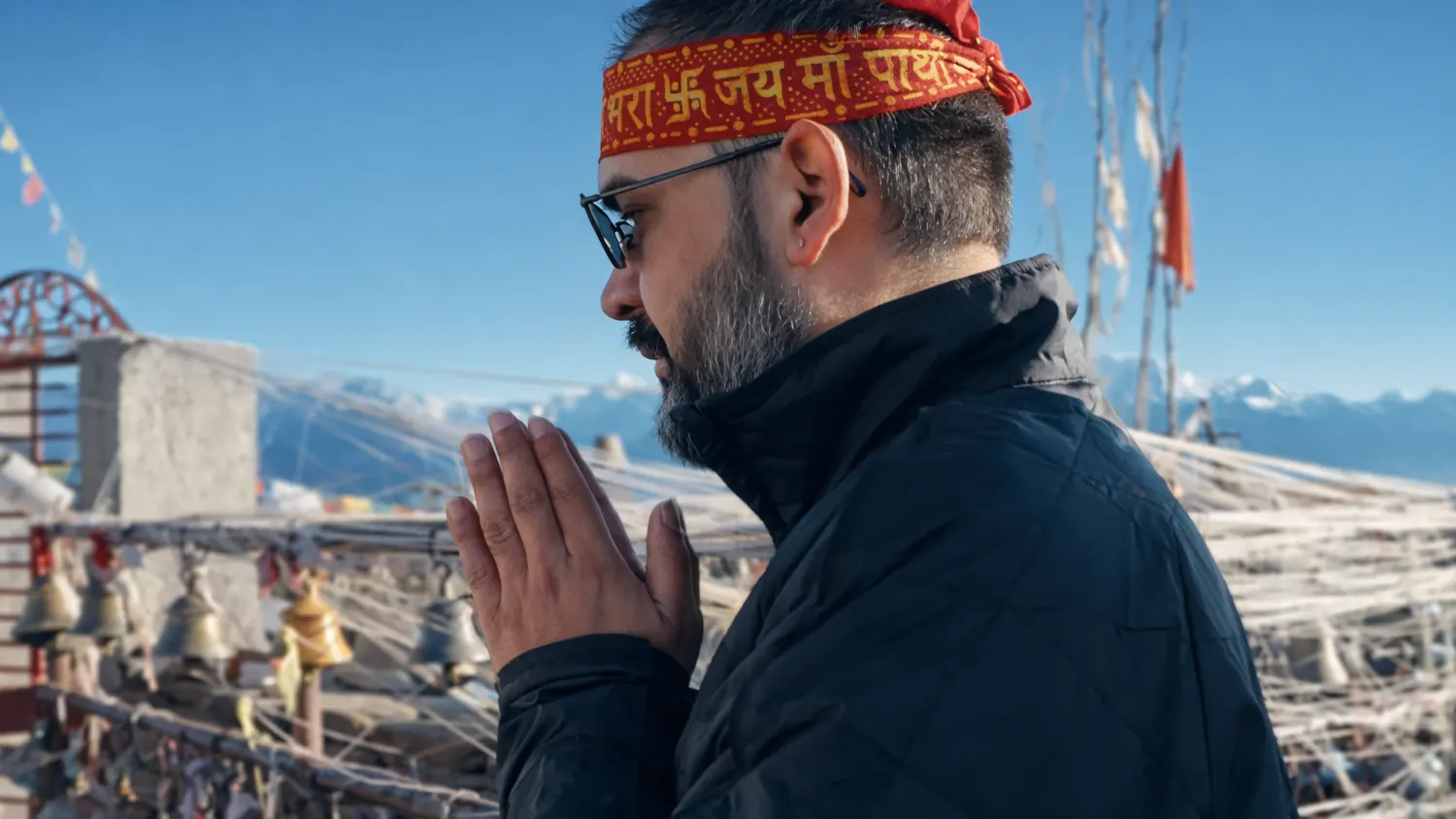
At his swearing in ceremony, he blended modern and traditional imagery wearing the
daura suruwal and topi while keeping his signature sunglasses.
His cabinet also reflects change:
- A lean 15 member team
- Inclusion of young activists, including a 36 year old Home Minister
- Appointment of respected economist Swarnim Wagle as Finance Minister
This mix of youth, expertise, and symbolism reinforces his “post ideology” identity.
Why This Matters: Beyond Nepal
Balen Shah’s rise is not just a domestic story, it reflects a broader global trend.
Across many countries, younger voters are rejecting traditional political elites and demanding results driven leadership.
In Nepal’s case, this shift is particularly significant because:
- It ends decades of unstable coalition governments
- It introduces a leader without ties to the civil war era
- It signals a move toward technocratic governance over ideological politics
At the same time, regional powers are watching closely.
Indian Prime Minister Narendra Modi was among the first to congratulate him, indicating cautious optimism in New Delhi.
The Challenges Ahead: High Expectations, Harsh Reality
However, the real test begins now.
Balen inherits a country facing serious economic pressure, including:
- A global energy crisis linked to Middle East tensions
- Rising costs of living
- Continued youth migration abroad
At home, expectations are enormous.
After such a sweeping mandate, the public is not expecting gradual reform, they are demanding immediate results.
To stabilize the situation, Balen has already taken direct control of key portfolios, including Defence and Industry.
What Comes Next for Nepal
Looking ahead, several key questions will define his leadership:
- Can he deliver fast economic improvements?
- Will his anti corruption drive face resistance from entrenched elites?
- How will he navigate Nepal’s delicate balance between India and China?
As a result, his success or failure could reshape Nepal’s political future for a generation.
The Stakes for Nepal
Balen Shah’s rise represents a political earthquake in Nepal.
A young, unconventional leader has replaced an aging establishment, backed by a powerful wave of public demand for change.
But revolutions in politics are easier to win than to govern.
Now, the real challenge begins: turning hope into results.