If you have been following Thai politics for any length of time, Friday’s news felt less like a surprise and more like a recurring nightmare playing out on schedule.
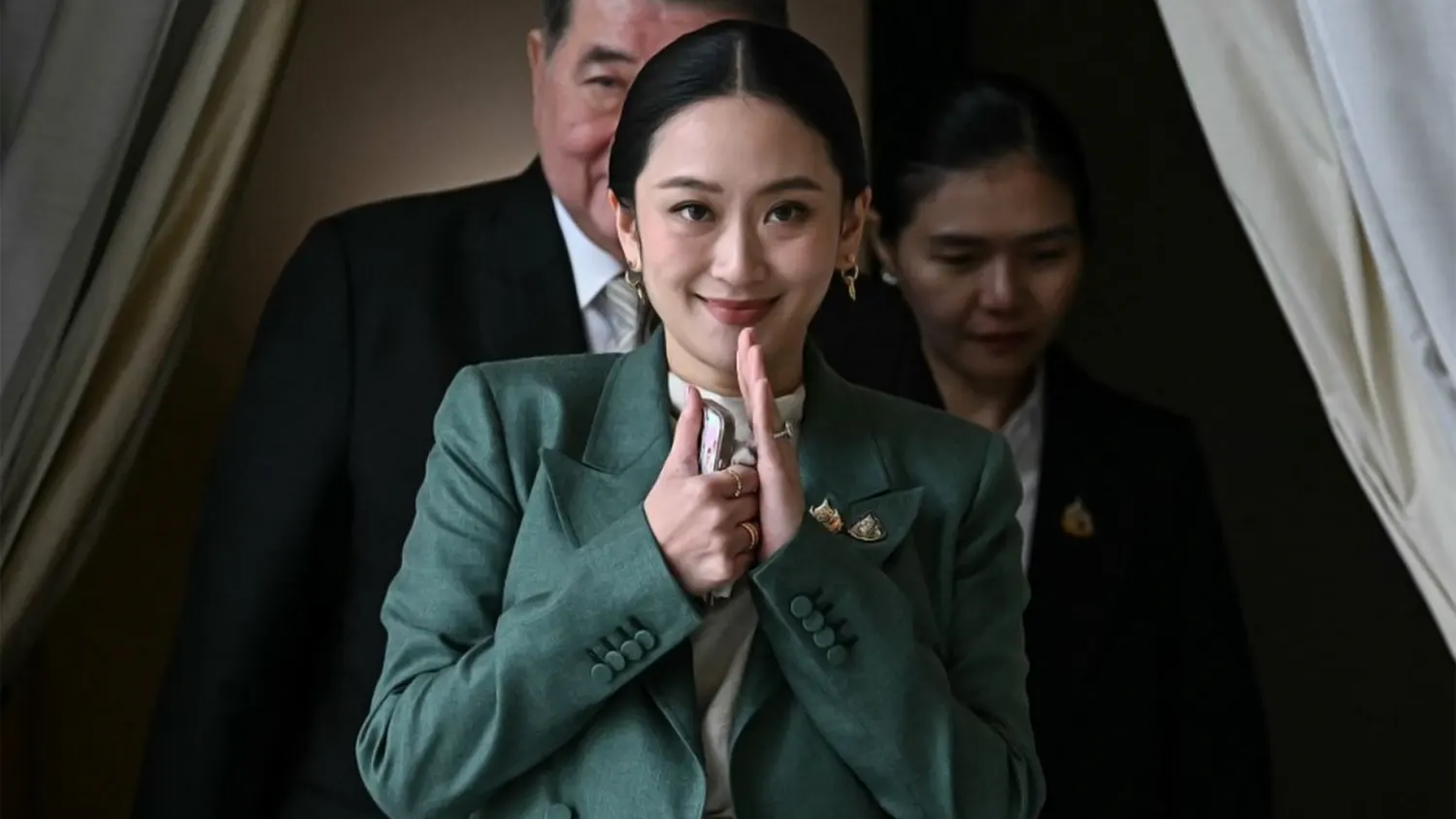
On August 29, 2025, Thailand’s Constitutional Court voted 6–3 to remove Prime Minister Paetongtarn Shinawatra from office, citing an ethics violation tied to a leaked phone call with Cambodia’s former strongman Hun Sen. The ruling came swiftly, the cabinet was dissolved immediately, and Thailand found itself once again without a functioning government and with no obvious path forward.
For the Shinawatra family, it was the latest episode in a political saga that has defined and destabilised Thai democracy for more than two decades.
A Phone Call That Brought Down a Government
The case against Paetongtarn hinged on a private conversation she had with Hun Sen that was recorded and leaked. In it, she reportedly referred to the former Cambodian leader as “uncle” and described a Thai military commander as her “opponent.”
The court ruled that this language demonstrated compromised judgment that she was prioritising personal relationships over national interests at a moment of heightened border tensions between Thailand and Cambodia.
Her supporters reject that framing entirely. To them, the ruling follows a well-worn template: a Shinawatra aligned government wins an election, gains traction with its base, and is then removed not at the ballot box but through a judicial decision that conveniently serves the interests of Thailand’s conservative establishment. Whether this reading is accurate or not, it is a perception that now has considerable historical evidence behind it.
The Family That Thailand’s Elite Cannot Seem to Tolerate
To understand why this moment feels so familiar, you need to understand the Shinawatra family’s relationship with Thai power and how it has played out again and again over the past two decades.
Paetongtarn’s father, Thaksin Shinawatra, came to power in 2001 on a wave of genuine popular support, particularly from rural and working-class Thais who felt ignored by Bangkok’s establishment. His tenure ended in a military coup in 2006, after which he fled into self-exile rather than face prosecution.
His sister, Yingluck Shinawatra, became prime minister in 2011 and was removed by the Constitutional Court in 2014 on abuse of power charges just weeks before yet another military coup toppled what remained of her government.
Through all of it, the Shinawatra brand kept winning elections. Parties aligned with the family repeatedly returned to power through democratic means, only to find that power stripped away through other means. Paetongtarn’s removal is the latest verse of that same song.
Who Runs Thailand Now and What Happens Next
With the cabinet dissolved, Deputy Prime Minister Phumtham Wechayachai has been installed as caretaker leader while parliament selects a successor. That process is unlikely to be smooth.
The Pheu Thai Party, already governing on a fragile coalition, has lost its most important asset. Its remaining candidate for prime minister is Chaikasem Nitisiri, a 77 year old former justice minister who is not considered a figure capable of rallying broad support. Meanwhile, conservative parties and military aligned factions are watching the chaos with barely concealed interest, positioned to capitalise if the coalition continues to fracture.
Street protests are a real possibility. Thai politics in the last two decades has frequently spilled from parliament into the streets whenever ordinary voters feel the democratic process has been manipulated, and there is no shortage of people who feel exactly that way right now.
The Fallout Reaches Further Than Bangkok
The instability is not just Thailand’s problem. The leaked phone call itself is a reminder of how delicate Thai-Cambodian relations remain a relationship historically complicated by border disputes and surges of nationalist sentiment on both sides. A weakened, transitional government in Bangkok is poorly placed to manage those tensions.
There are also broader regional implications. Thailand plays a significant role within ASEAN, and prolonged political dysfunction makes it harder for the bloc to project coherence at a time when Southeast Asia is already navigating intense pressure from the US-China rivalry in the Indo-Pacific.
Economically, the concern is investor confidence. Thailand has been positioning itself as a key destination for manufacturers rerouting supply chains away from China. Political crises of this kind unpredictable, legally complex, and with no clear end date are precisely what puts foreign investors off.
The Question the Shinawatras Now Have to Answer
For the family itself, 2025 poses a harder question than any previous ouster. Thaksin survived his removal and eventually returned to Thailand. Yingluck rebuilt political alliances from exile. But each successive removal chips away at the argument that democratic wins can be converted into durable power.
Can the Shinawatra movement adapt finding a way to hold office that the conservative establishment cannot so easily dismantle? Or does this latest ruling mark the beginning of a longer conservative consolidation that finally breaks the cycle in the establishment’s favour?
Thailand’s parliament will answer the short-term question about who leads next. The longer-term question about who truly holds power in this country remains, as it has for twenty years, very much open.