A Tragedy Unfolds in Kut, Wasit Province
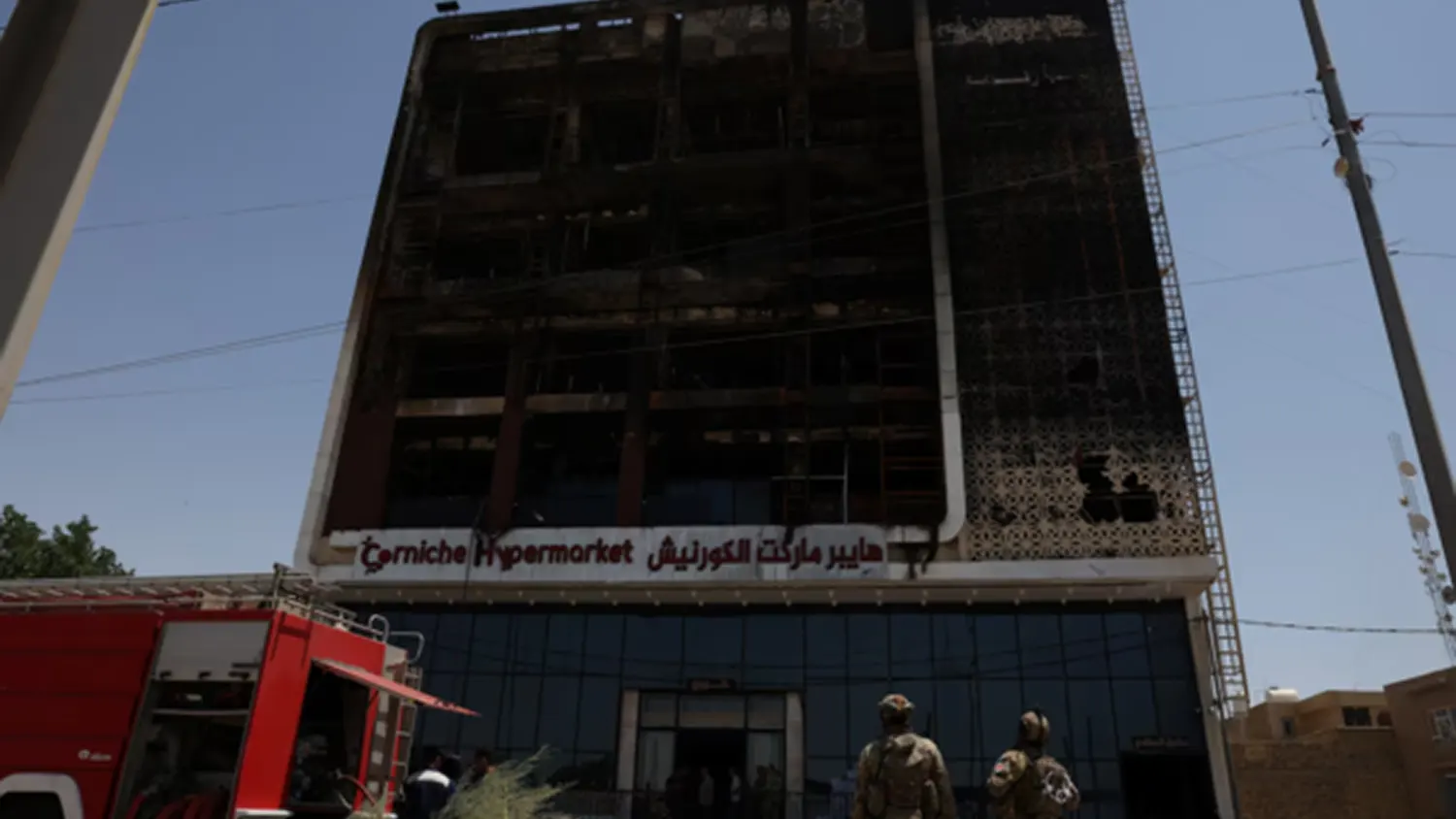
A catastrophic mall fire in Kut, Iraq, has claimed the lives of at least 61 people, including women and children, in one of the country’s deadliest recent disasters. The blaze tore through the newly opened Hyper Mall in Wasit province late Wednesday night, leaving a community devastated and raising serious questions about building safety standards in Iraq.
The five story shopping complex had been open for just one week before it became the scene of unimaginable loss.
Victims Overcome by Smoke and Panic
Most of the victims did not die from burns but from suffocation caused by thick, toxic smoke, highlighting how quickly the fire spread throughout the building.
In particularly heartbreaking scenes, many bodies were discovered inside bathrooms, where people had sought refuge from the flames. These confined spaces, however, offered little protection against the rapidly spreading smoke.
Authorities confirmed that 14 victims remain unidentified, their bodies severely burned
an indication of the fire’s extreme intensity.
How the Fire Spread So Quickly
To understand the scale of the disaster, investigators are focusing on how the fire escalated within minutes.
Initial reports suggest the blaze may have started on the lower floors, possibly triggered by an air conditioner explosion on the second level. From there, the fire quickly engulfed the building, trapping shoppers and staff inside.
The speed of the spread raises concerns about flammable construction materials and the possible absence of effective fire safety systems, such as sprinklers and emergency exits.
Government Response and Investigation
In the aftermath, local and national authorities have moved swiftly to respond.
Wasit Governor Mohammed al-Mayyeh announced three days of official mourning, while also confirming that legal action has been initiated against both the building owner and the mall operator.
“We will not be lenient with those responsible,” he stated, promising initial investigation results within 48 hours.
Meanwhile, Iraqi Prime Minister Mohammad Shia al-Sudani has ordered a high level inquiry, dispatching the interior minister to oversee the investigation and ensure accountability.
A Pattern of Preventable Disasters
Beyond the immediate devastation, this tragedy highlights a broader and deeply concerning issue: persistent safety failures in Iraq’s infrastructure.
Decades of conflict and underinvestment have left many buildings vulnerable, often constructed with cheap, highly flammable materials and lacking proper safety enforcement.
This is not an isolated incident:
- In 2021, a hospital fire in Nasiriyah killed more than 60 people
- In 2023, a wedding hall blaze claimed over 100 lives
Both disasters were linked to poor safety standards and hazardous building materials
A Nation Demands Accountability
As rescue teams continue recovery efforts, grief has turned into growing public anger.
Families are mourning loved ones, while many Iraqis are asking a critical question:
how many more lives must be lost before meaningful reform happens?
The tragedy in Kut is more than a single event, it is a stark reminder of systemic failures that continue to put lives at risk.
The Urgent Need for Reform
Ultimately, this disaster underscores the need for strict enforcement of building codes,
fire safety systems, and accountability measures across Iraq.
Without immediate and sustained action, experts warn that similar tragedies are not just possible but inevitable.
For the victims and their families, justice now depends on whether this moment leads to real change or becomes another forgotten warning.