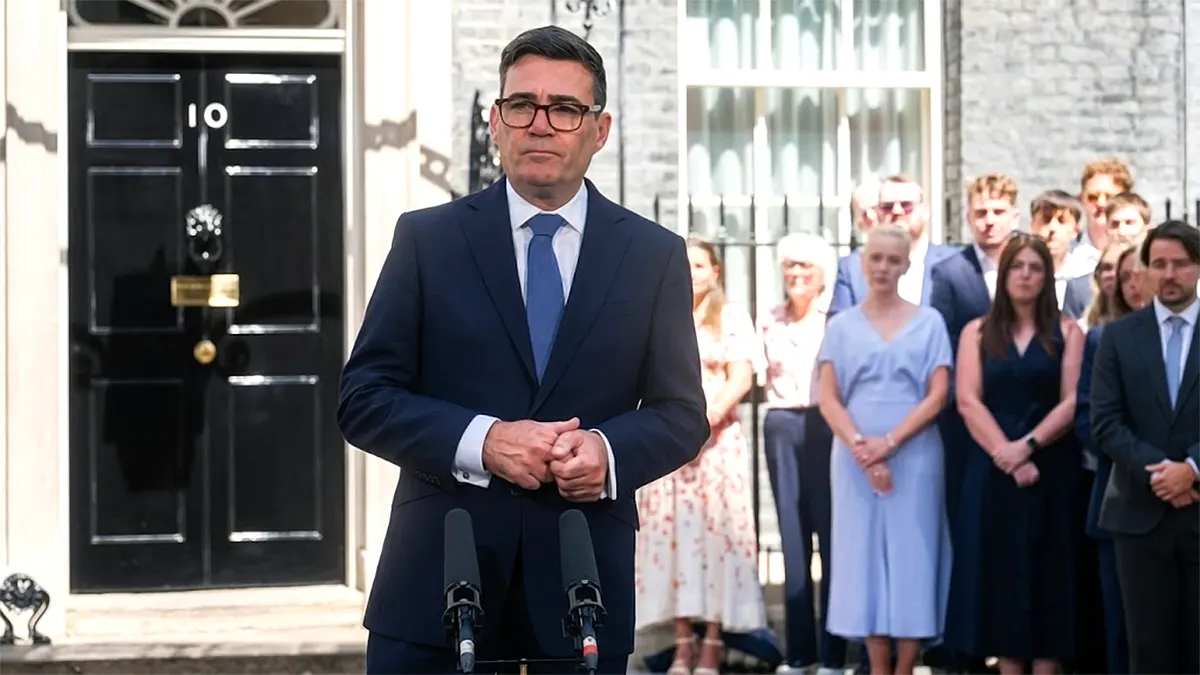
Andy Burnham walked into 10 Downing Street on Monday, July 20, 2026, as the 59th Prime Minister of the United Kingdom. The handover followed Britain’s oldest political ritual: a “kissing hands” ceremony with King Charles III at Buckingham Palace, held just after Keir Starmer formally resigned.
Starmer’s two years in office were rocky from the start. Low approval ratings, constant policy reversals, and a brutal set of losses in the May local elections left his own party looking for an exit ramp. Rather than fight on, he stepped aside so Labour could try to steady itself under new leadership.
From Manchester’s Mayor to Number 10
Burnham isn’t a Westminster lifer. For years he ran Greater Manchester as mayor, earning the nickname “King of the North” for his blunt, regional style of politics. He only returned to Parliament last month, winning a special election specifically to clear his path to the leadership.
Because the UK runs on a parliamentary system, Labour was able to swap its leader and therefore its Prime Minister without calling a general election. Voters won’t get a say at the ballot box until the next scheduled election in 2029.
Speaking outside Downing Street for the first time, Burnham didn’t dodge the obvious problem: he’s now the UK’s seventh prime minister in a decade, and the country is tired of it. He called himself a “circuit breaker” for British politics and laid out a 10-year plan built around three pillars, pulling power out of Westminster, rebuilding British industry outside London, and fixing public services like housing and transit.
A 10-Year Plan Built Around Devolution
Burnham’s agenda isn’t subtle about where he thinks Britain has gone wrong: too much power sitting in London while the rest of the country waits its turn. His key promises include:
- Massive devolution — shifting real authority from Westminster and Whitehall to local and regional governments. He’s even planning to work from a satellite office in Manchester part of every week to prove he means it.
- Reversing privatization — bringing public transit and utilities back under public control instead of private ownership.
- Scrapping digital IDs — killing the controversial digital ID card scheme pushed by the previous government.
- Targeted regional growth — directing investment toward post-industrial northern regions rather than concentrating it in the wealthier south.
Cabinet reshuffles are expected within days, with appointments for Treasury chief, foreign secretary, and home secretary among the first calls he’ll make.
How He’s Different From Keir Starmer
Both men are Labour, but that’s roughly where the similarities end. Starmer was a formal, suit and tie former chief prosecutor who leaned on central government control and stuck to strict fiscal rules, an approach critics said produced more U-turns than results. Burnham is the opposite kind of politician: casual, openly disdainful of the “Westminster bubble,” and known almost as much for DJing indie music sets as for policy speeches.
Where Starmer tried to pull the levers of power from Downing Street, Burnham wants to hand levers to local mayors. Where Starmer avoided big spending commitments, Burnham favors expansive public investment and public ownership. And while Starmer struggled with dismal approval ratings, Burnham arrives as one of the most popular politicians in Britain, carrying genuine regional goodwill that Starmer never had.
A Surprisingly Tough Line on Immigration
Immigration remains one of the most charged issues in British politics, and Burnham’s approach tries to walk a narrow line between enforcement and local control. Just days before taking office, he voted in favor of a controversial new Immigration and Asylum Bill, backing measures that include:
- Faster removals — accelerating deportations for people who enter the UK unlawfully, with Burnham saying the country needs to “get back to a sense of order” on small-boat crossings.
- Expanded detention — greater use of detention centers to process and remove people with no legal right to stay.
- Faster appeals — replacing traditional immigration judges with independent adjudicators to clear massive case backlogs.
- Temporary refugee status — shifting refugee status to a 30-month review model instead of an automatic five-year route.
The Regional Twist on Border Policy
Where Burnham breaks from a standard hardline approach is in how immigration policy connects to his devolution agenda. He’s been a sharp critic of the Home Office placing large numbers of asylum seekers in cheap hotels across deprived northern towns, and he wants to cancel those centralized contracts and hand local councils the power to decide how migrants are housed and integrated.
He also pushed back on a proposal from hardliners to stretch the qualification period for permanent residency from five years to as long as fifteen, arguing it’s unfair to retroactively change the rules for people already living and working legally in the UK. On work visas, he wants businesses to prove they’re investing in training British workers locally before they’re allowed to sponsor overseas hires.
The Problems Already Waiting on His Desk
Burnham may be popular, but he’s inheriting nearly every crisis that sank Starmer’s premiership.
There’s very little money to work with. Debt interest alone consumed roughly 8% of all public spending last year, and taxes are projected to hit their highest share of the economy since World War II by the end of the decade. Burnham has promised “breathing room” on the cost of living, but any new spending will likely require tax increases, a move that could immediately test his popularity with both businesses and voters.
Two corporate crises need answers fast. Thames Water, the UK’s largest water utility, is sitting on roughly £20 billion in debt with funding drying up, forcing a decision between temporary nationalization or a messy administration bailout. Meanwhile, the government’s recent full nationalization of British Steel’s Scunthorpe works means Burnham now owns a loss-making industrial plant that will eat up time and capital.
His own party is far from united. Burnham wasn’t elected by the public, he was appointed by his party after Starmer resigned. Reform UK, the right-wing anti-immigration party, has been running neck-and-neck with Labour in the polls for the past 18 months, and Burnham’s vote for strict new asylum laws has already angered Labour’s left wing, who wanted less enforcement and more welfare spending.
And there’s the fatigue factor. As the seventh prime minister in ten years, Burnham’s biggest challenge may be psychological: convincing an exhausted electorate that he’s a genuine reset rather than another placeholder before the next leadership churn.
How Britain Is Reacting
The early public mood is a mix of relief, skepticism, and a few unexpected reactions.
General voters seem relieved to have a more relatable figure in charge after Starmer’s technocratic style, but many are openly cynical that yet another prime minister was chosen through internal party maneuvering rather than a general election.
Tech workers and privacy advocates have welcomed Burnham’s promise to scrap the £1.8 billion digital ID scheme, along with signs he’ll keep controversial U.S. data firms away from NHS data expansion plans.
Business leaders and financial markets are watching nervously. The City of London has long been wary of Labour’s left wing, and while Burnham insists he won’t “take risks with public finances,” investors worry his nationalization plans for rail and utilities will eventually require higher taxes.
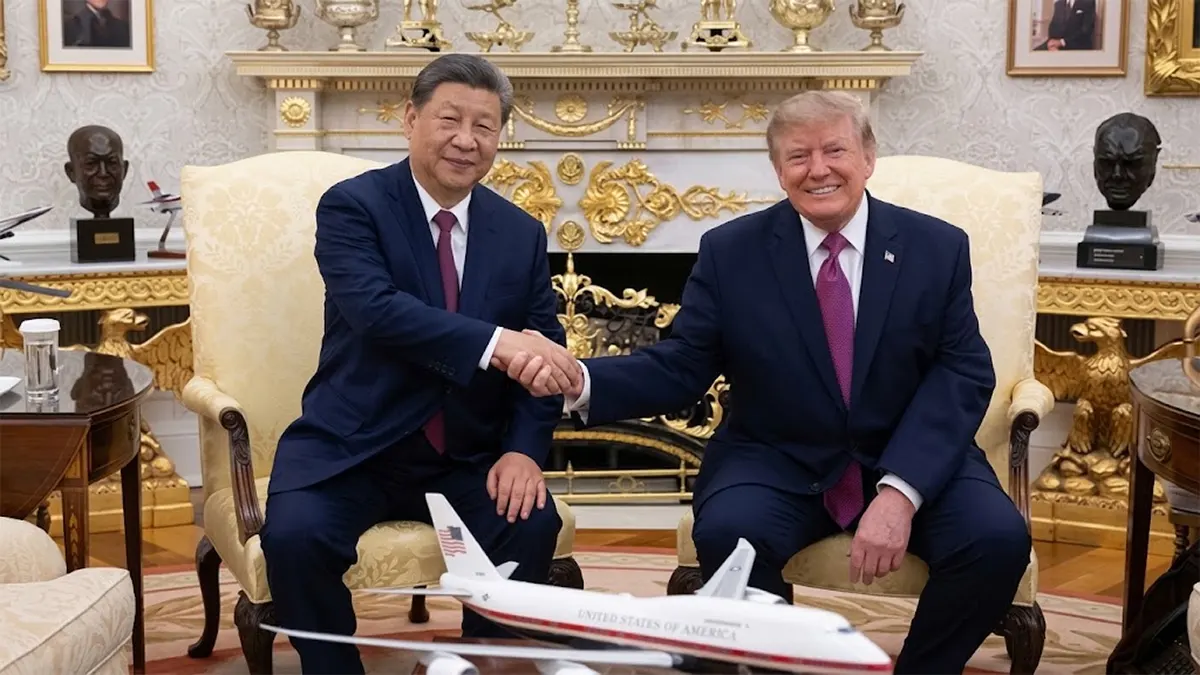
In an unexpected twist, U.S. President Donald Trump publicly praised Burnham, claiming his hints at expanding North Sea oil and gas drilling could transform the UK’s economy. The comments pleased industrial sectors but alarmed environmental groups.
Political factions remain split. Reform UK supporters view Burnham’s asylum crackdown as political posturing rather than genuine policy change, while Labour’s left wing is already frustrated by his support for tougher deportation rules and faster removals.
Burnham now has to prove, in real time, that he can be the stability Britain has been asking for with very little money, a divided party, and a public that’s stopped expecting any prime minister to last.