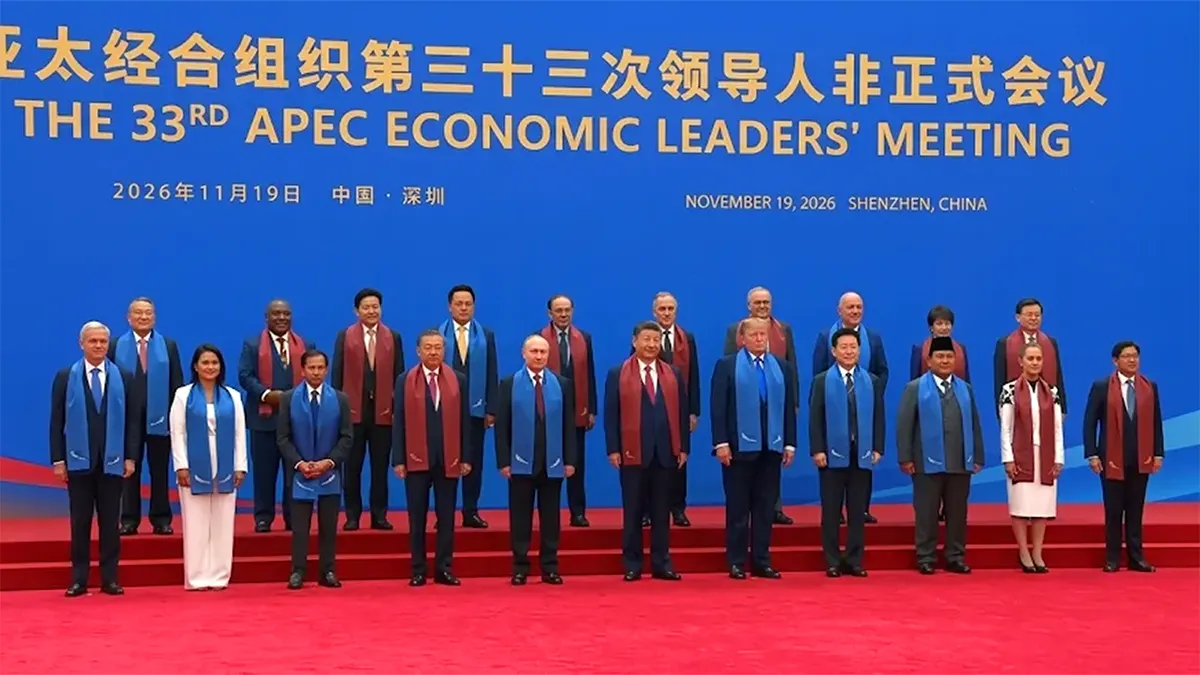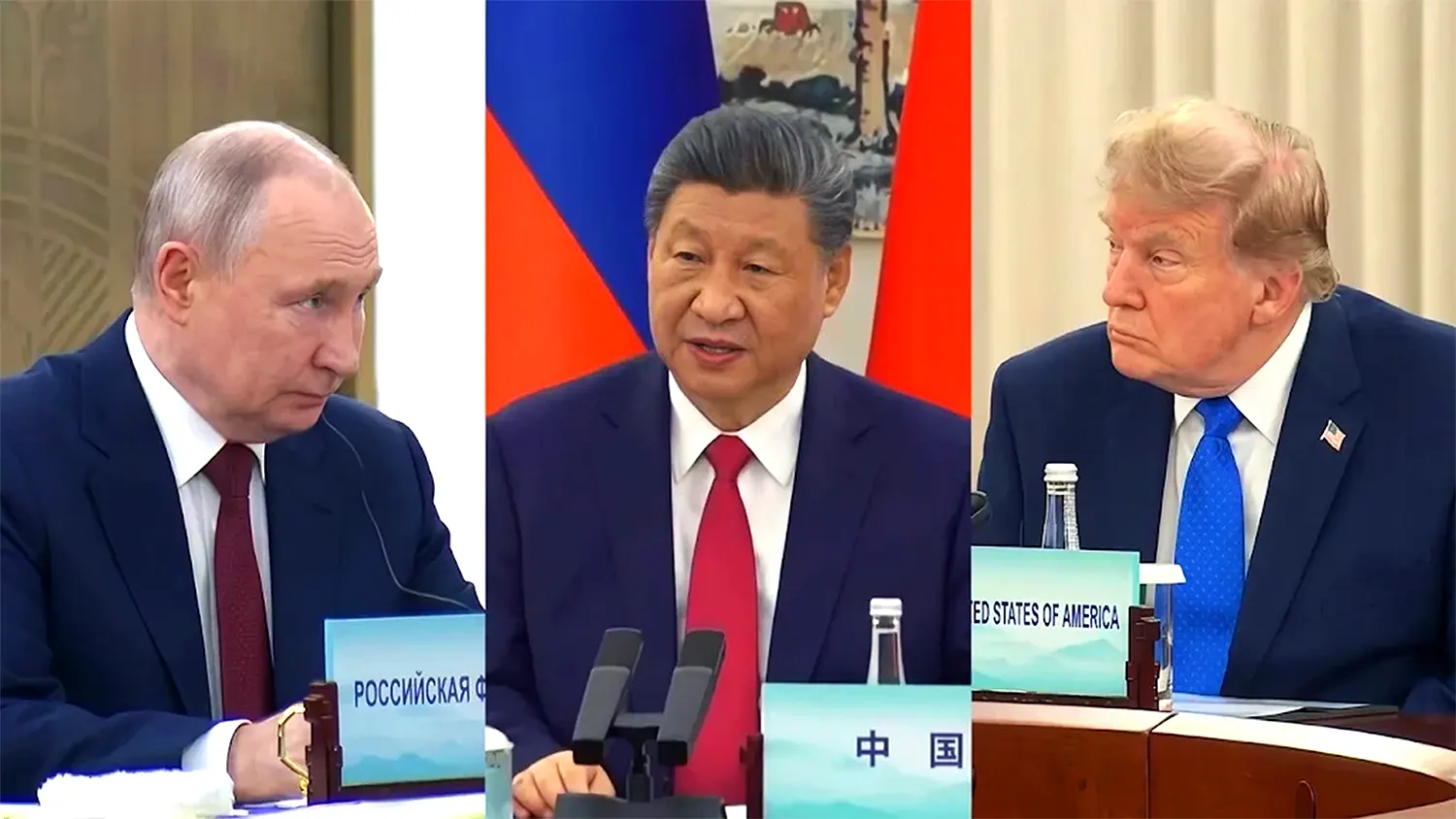
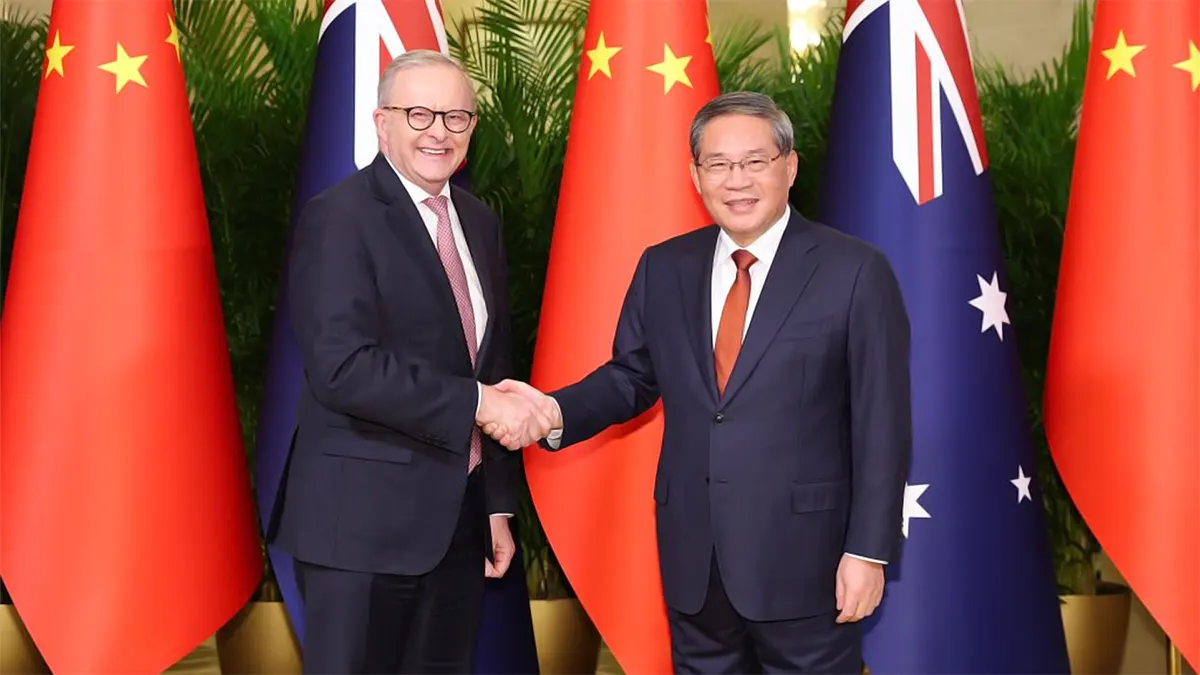
When Prime Minister Anthony Albanese sat down with Chinese President Xi Jinping in Shenzhen on November 20, 2026, Xi called the state of relations a “full turnaround.” Few would have predicted that a few years ago. But behind the warm words, both countries are quietly managing some serious disagreements.
A Business Roundtable With Big Names and No Big Deals
The same day, Albanese and Chinese Premier Li Qiang attended the 9th Australia–China CEO Roundtable in Beijing, held at the Diaoyutai State Guesthouse. The forum was co-chaired by Geoff Culbert of the Business Council of Australia and Zhao Huan of China Development Bank. Executives from both countries came to talk trade and investment, and miners like BHP and Rio Tinto used the setting to work through ongoing iron ore pricing tensions with China’s state buyer.
Li said China is ready to remove disruptions to normal economic exchange and give businesses stable expectations. Albanese told the room to keep their “eyes on the horizon” while staying engaged with China, which takes about 25% of Australian exports.
Still, nobody walked away with a new trade deal or tariff cut. The roundtable is mainly a networking and lobbying event, not a treaty-signing summit.
The Beef Problem Nobody Solved
The sharpest issue on the table was beef. In 2026, China introduced a three-year import quota on foreign beef to protect its own farmers. Australia used up its 205,000-tonne limit by June, which triggered a 55% tariff on extra shipments. Exporters could lose around $1 billion a year.
Australian business leaders also pushed for better access for wheat and rice. Li said Beijing takes these concerns seriously, but no policy changes were announced.
What the Two Leaders Did Agree On
Instead of trade breakthroughs, the talks produced commitments on cooperation:
- A formal AI dialogue between the two governments, covering safety, governance and applications
- A joint statement on climate and clean energy, aimed at low-carbon steelmaking, hydrogen and clean power
- Closer law enforcement ties targeting tobacco smuggling, organized crime, cybercrime and scams
- Regular economic talks, including the Strategic Economic Dialogue and the Joint Ministerial Economic Commission
Leaders also discussed growing the relationship beyond iron ore into green mining, electric vehicles and the digital economy. Both sides named 2027 the China-Australia Year of Tourism.
From Deep Freeze to Cautious Thaw
The word “turnaround” carries weight because of where the relationship started. Between 2020 and 2022, Beijing imposed roughly $20 billion in punitive tariffs on Australian exports. By April 2026, the last of those barriers, on live rock lobster, had been lifted. Military-to-military communication lines also resumed that month. Albanese’s November trip was his third visit to China as prime minister.
Why Canberra Keeps One Foot in Each Camp
China still buys over 80% of Australia’s iron ore exports, and it accounts for roughly a quarter of the country’s two-way trade. That’s a lot to put at risk. So Canberra uses what officials describe as “compartmentalized alignment”: cooperate where possible, disagree where necessary, and engage in the national interest.
In practice, Australia is moving from pure “free trade” toward “secure trade.” The idea is a “small yard, high fence” around defense, advanced AI hardware and critical infrastructure, with a “large yard, open gate” for commodities, farm goods, services and green energy.
On the Washington side, Australia is deeply tied in:
- AUKUS: Construction is underway at Adelaide’s Osborne submarine yard, and HMAS Stirling in Western Australia is being expanded to host rotating US and UK nuclear-powered submarines from 2027. Sensitive tech such as AI, quantum computing and hypersonics stays inside the allied circle.
- The San Francisco Declaration: Just days before Albanese flew to Beijing, Australia signed this US-led pact to protect AI supply chains and reduce reliance on Chinese inputs.
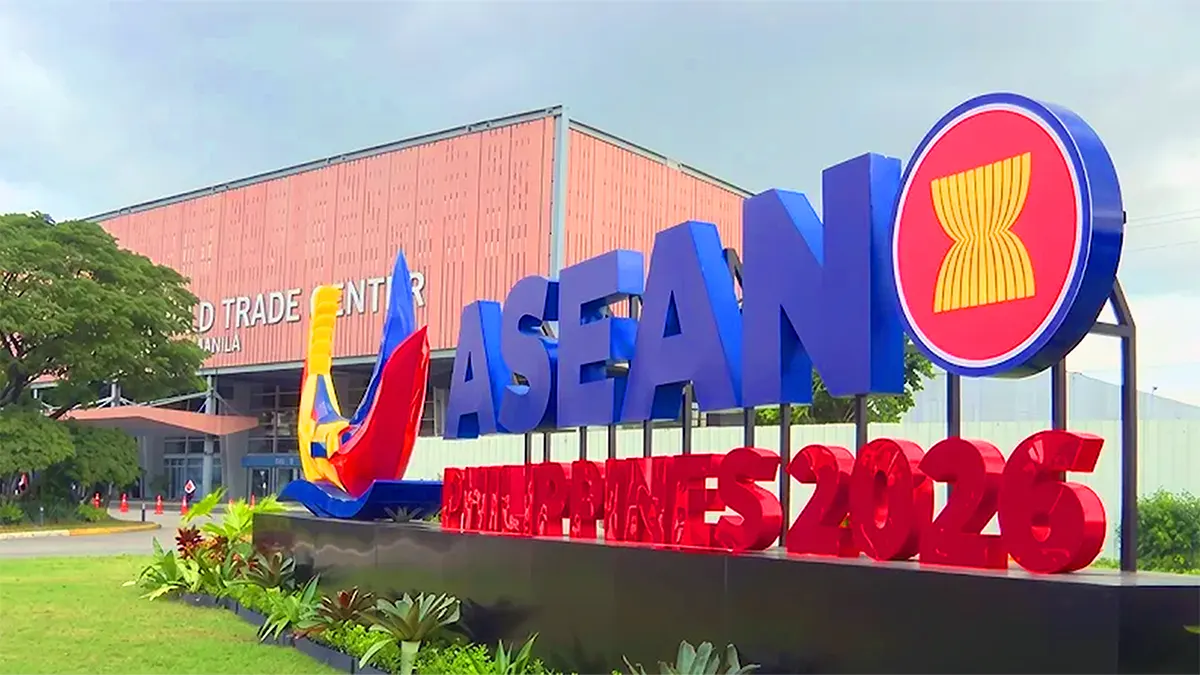
- Quad minerals deals: At the Quad leaders’ meeting in Manila, Australia signed rare earth and critical mineral agreements meant to build refining capacity outside China.
On the Beijing side, the focus is keeping trade moving and avoiding accidents: iron ore, LNG, agriculture and tourism continue, while military hotlines and the new AI dialogue aim to stop misunderstandings from becoming another trade war. Australia also has practical reasons to cooperate, since China dominates lithium refining (about 60%) and rare earth processing (nearly 90%).
The Friction That Won’t Go Away
Beijing watches Australia’s US alignment warily, especially the supply chain declaration signed right before the visit. The two countries also still clash over influence in the Pacific Islands and naval activity in the South China Sea.
So the 2026 picture is one of managed stability. Both governments want business to keep flowing, and both are choosing not to let their deeper disagreements derail it. Whether that holds will depend on how the beef dispute, the iron ore talks and the regional rivalry play out in 2027.