Rescue crews are working around the clock across Venezuela after a devastating pair of powerful earthquakes struck the country’s north-central region, leaving widespread destruction, hundreds confirmed dead, thousands injured, and many more still unaccounted for.
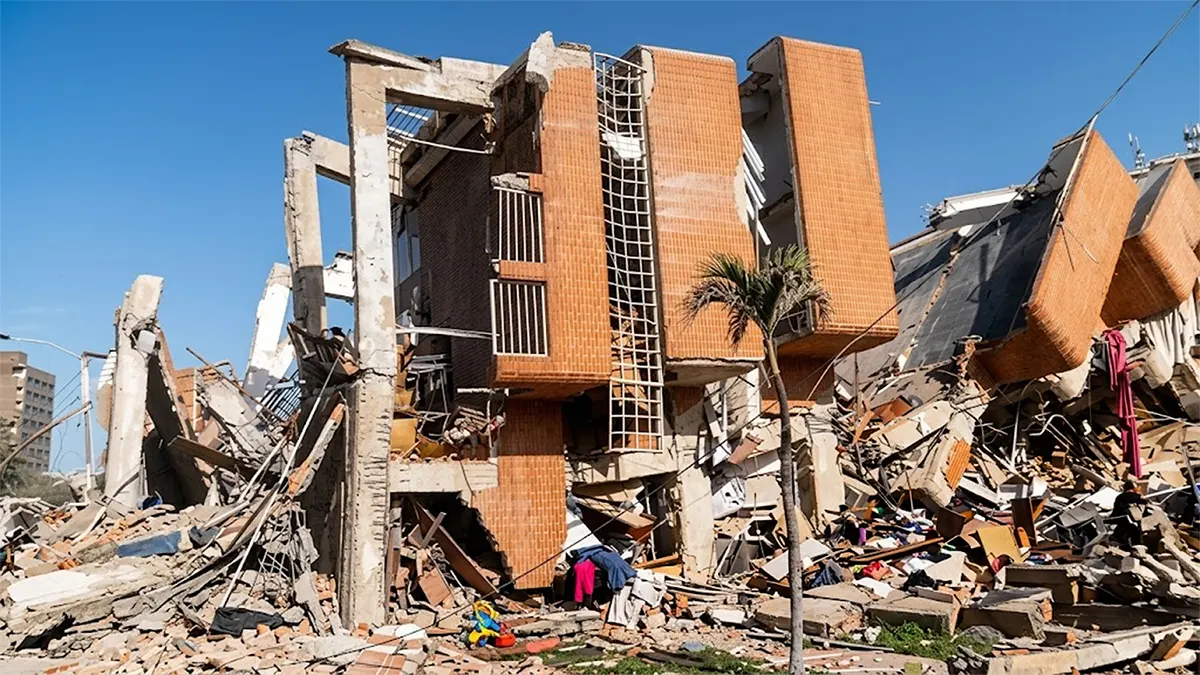
The twin earthquakes, which hit on June 24, caused severe damage in Caracas, La Guaira, and surrounding areas. Buildings collapsed, essential infrastructure failed, and emergency services were quickly overwhelmed as search teams rushed to locate survivors trapped beneath the rubble.
Authorities have declared a national state of emergency, while governments and humanitarian organizations from around the world continue sending personnel, equipment, and medical supplies to support rescue efforts.
Rescue Teams Race Against Time
Nearly a day after the earthquakes, the priority remains finding survivors.
Urban Search and Rescue (USAR) teams from Venezuela have been joined by specialized international units equipped with heavy machinery, search dogs, thermal imaging equipment, and medical personnel.
The first 72 hours after a major earthquake are widely regarded as the most critical period for locating people trapped beneath collapsed structures. During this window, survivors may still be alive inside small air pockets created by fallen concrete and steel.
However, rescue operations are being slowed by blocked roads, damaged bridges, unstable buildings, and widespread power outages that complicate access to the hardest-hit neighborhoods.
Officials have warned that the confirmed death toll is expected to rise as more collapsed buildings are searched and additional victims are recovered.
Caracas Suffers Widespread Structural Damage
The capital city experienced some of the worst destruction.
Entire residential and commercial buildings collapsed across several districts, particularly in southeastern Caracas, Chacao, and Altamira, where multiple high-rise structures suffered catastrophic failures.
Emergency crews continue searching through the remains of apartment buildings that were occupied when the earthquakes struck.
Many residents have been forced to spend the night outdoors in parks, open spaces, and temporary shelters because repeated aftershocks have made returning to damaged buildings too dangerous.
Authorities are also conducting rapid structural inspections to determine which buildings can still be safely occupied.
La Guaira Declared Disaster Zone
The coastal state of La Guaira has emerged as another center of devastation.
Officials declared the region an immediate disaster zone after widespread building collapses destroyed residential neighborhoods, hotels, and public facilities.
The damage also affected key transportation infrastructure serving Venezuela’s Caribbean coastline, further complicating the delivery of emergency supplies.
Search crews continue working through the debris as families wait anxiously for news of missing relatives.
Essential Services Severely Disrupted
Beyond the collapsed buildings, the earthquakes caused extensive damage to Venezuela’s critical infrastructure.
Large sections of northern Venezuela remain without:
- Electricity
- Running water
- Natural gas
- Cellular communications
- Internet connectivity
Authorities shut down portions of the municipal gas network to reduce the risk of fires and explosions caused by ruptured pipelines.
Transportation has also been heavily affected.
Commercial operations at Simón Bolívar International Airport have been suspended following reports of structural damage, forcing international relief flights to use alternative facilities, including military air bases.
Public transportation systems, including parts of the Caracas Metro network, have also been suspended while engineers inspect tunnels, stations, and elevated structures for possible damage.
Hospitals Struggle to Handle the Crisis
The earthquake has placed enormous pressure on Venezuela’s healthcare system.
Several hospitals sustained structural damage, forcing emergency evacuations even as thousands of injured residents sought urgent medical treatment.
Medical teams have established temporary treatment areas outside damaged facilities to continue caring for patients while engineers assess the safety of hospital buildings.
Healthcare workers are also facing shortages of medical supplies, electricity, clean water, and available hospital beds as the number of casualties continues to increase.
International humanitarian organizations are now prioritizing emergency medical assistance to support overwhelmed local hospitals.
Hundreds of Thousands Face Displacement
Even for residents whose homes remained standing, the danger has not passed.
Strong aftershocks continue to shake affected areas, prompting many families to sleep outdoors rather than risk returning inside damaged buildings.
Schools, community centers, religious facilities, and temporary shelters are being used to house displaced residents as authorities assess the safety of neighborhoods across Caracas and La Guaira.
The earthquakes are expected to leave hundreds of thousands of people temporarily displaced, creating additional challenges for emergency responders already stretched thin.
International Assistance Expands
As the scale of the disaster becomes clearer, international support continues to grow.
Search and rescue specialists from multiple countries have begun arriving with heavy equipment, engineering teams, medical personnel, and search dogs.
The United Nations has activated emergency coordination mechanisms to help organize humanitarian assistance, while international relief organizations are supplying emergency shelters, clean water, medical kits, sanitation equipment, and food.
Regional governments have also pledged assistance by facilitating humanitarian corridors and supporting the movement of emergency supplies into Venezuela.
Aid organizations warn that restoring basic services including electricity, telecommunications, and clean water—will remain one of the country’s biggest challenges over the coming weeks.
Recovery Expected to Take Months
While rescue operations remain the immediate focus, officials acknowledge that Venezuela faces a long recovery process.
Entire neighborhoods will require structural assessments before residents can safely return, while damaged roads, hospitals, utilities, and public infrastructure will require extensive repairs.
The economic impact is also expected to be substantial, with reconstruction costs likely reaching billions of dollars.
For now, however, emergency officials continue emphasizing a single priority: saving as many lives as possible before the critical rescue window closes.