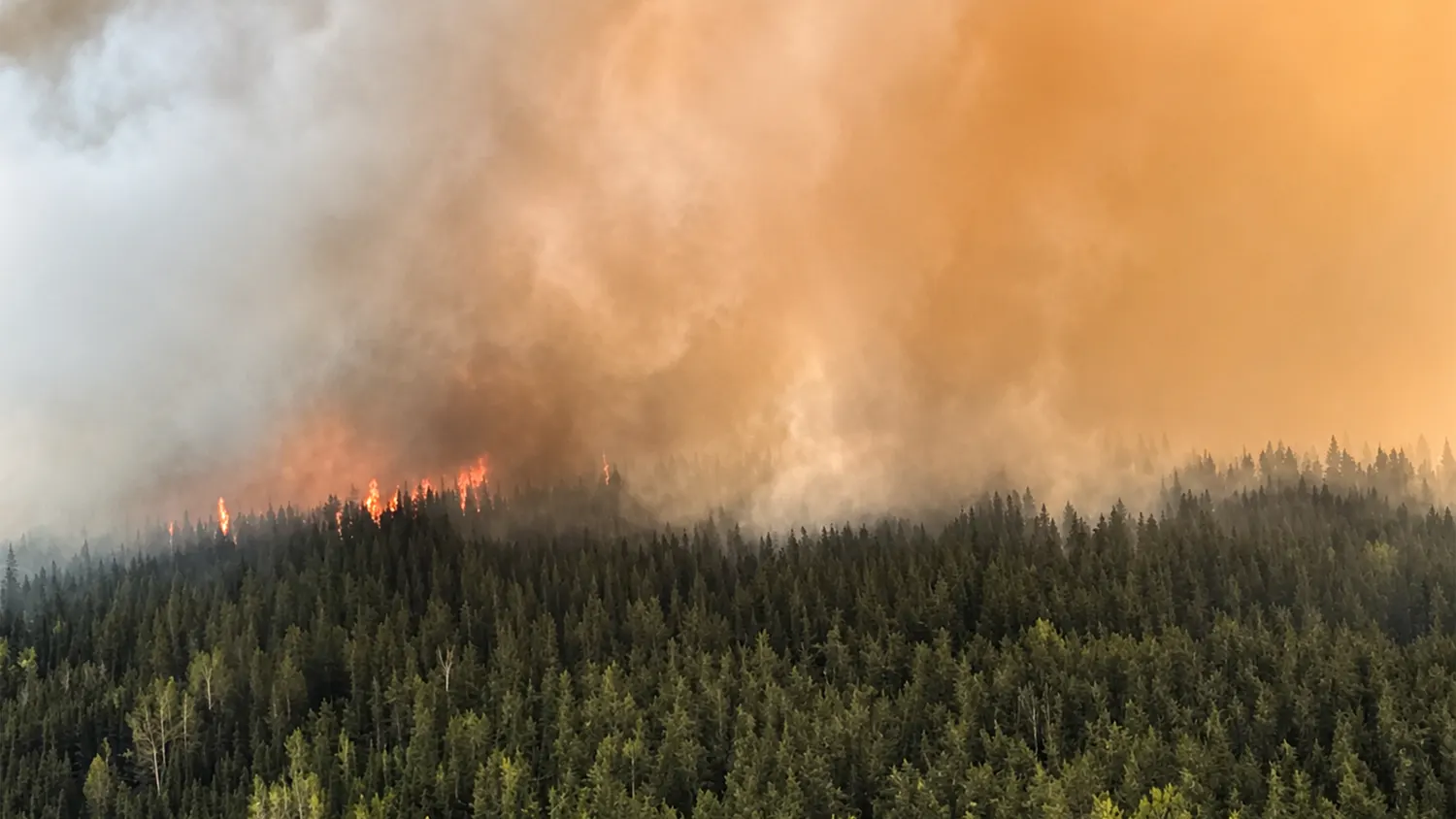
Nearly 25 active wildfires are burning across Alberta right now, and the situation is moving fast. The fires spreading through the province’s northern boreal forest aren’t just threatening trees, they’re pressing dangerously close to some of Canada’s most critical energy infrastructure, forcing corporate evacuations and raising alarms that the summer ahead could get significantly worse.
The fires didn’t flare up because of a single bad week. Years of persistent drought and a spring that brought far less rain than normal have left the land primed to burn. Southern and central-eastern Alberta are currently sitting at “very high” or “extremely high” fire danger ratings, and meteorologists are already warning that if Alberta misses its critical June rainfall window, conditions in July and August could become extremely volatile.
500,000 Barrels a Day at Risk
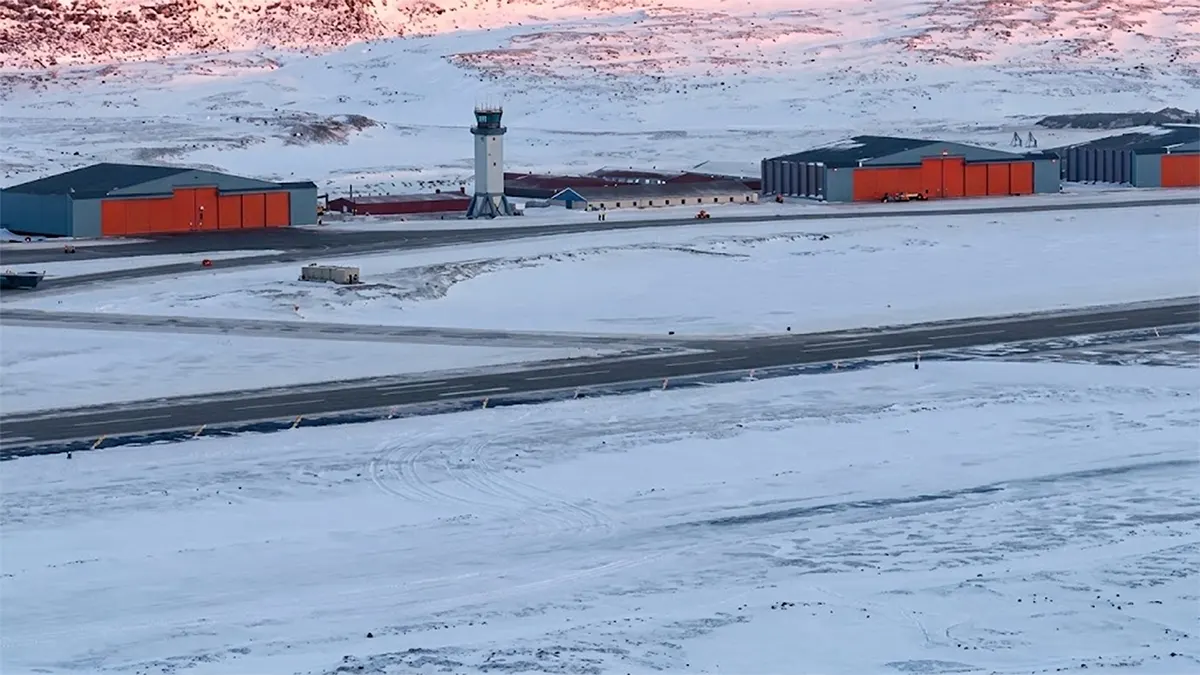
The most urgent economic story is playing out in northern Alberta, where seven active wildfires are burning within striking distance of major oil sands operations. Together, the facilities under threat produce roughly 500,000 barrels of crude per day output comparable to a mid-sized OPEC nation.
Cenovus Energy and MEG Energy have already carried out personnel evacuations and reported operational disruptions at their Christina Lake facilities. Meanwhile, Canadian Natural Resources (CNRL) evacuated non-essential workers from its Jackfish 1 and Kirby North sites both sitting between 11 and 19 kilometres from active fire perimeters.
The largest fire cluster in the north has scorched an estimated 24,000 to 30,000 acres (roughly 10,000 to 12,000 hectares) of dense remote forest. No physical structures have burned down but that’s not really the point. The heavy smoke blanketing the industrial camps was enough to force shutdowns, and halting production at this scale translates to millions of dollars in lost output daily, even without a single pipe being touched.
Homes Lost, Families on Alert
While the oil sands story dominates the headlines, the fires closer to populated areas are the ones disrupting everyday lives.
In Sandy Beach, Sturgeon County, a fast-moving weekend fire destroyed three homes outright and heavily damaged a fourth. Local authorities declared a state of emergency. The fire was eventually stopped but not before leaving families without homes and prompting the county to activate the province’s new Mutual Aid Incentive Pilot, which rapidly assembled over 60 firefighters from multiple regional jurisdictions.
West of Edmonton, a wildfire burning near Range Road 10 in Parkland County triggered an Alberta Emergency Alert. Residents between Range Road 11 and Range Road 281 have been ordered to be ready to evacuate on a moment’s notice. The fire is estimated at just 150 to 200 acres small compared to the northern blazes but grass and brush fires in dry conditions can jump roads and consume acres in minutes. Size doesn’t tell the full story when fire moves that fast.
In Clearwater County, over 1,000 hectares burned and highways were closed, but timely evacuations meant no homes were lost. So far, there have been no reported deaths or serious injuries across any of these fires, a direct result of early warning systems and aggressive defensive planning.
How Authorities Are Fighting Back
The province’s response has been built around speed, funding, and nighttime capability.
Forestry and Parks Minister Todd Loewen outlined an approach structured on three pillars. First, more than 550 provincial firefighters are actively deployed, with hundreds more on standby through mutual aid contracts. Crews are using helicopters equipped with night-vision systems, allowing them to drop water and navigate remote terrain around the clock not just during daylight hours.
Second, the province tackled one of the quiet failures of past wildfire seasons: budget hesitation. Small municipalities used to stall before calling in expensive provincial aircraft or neighboring county trucks, worried about blowing their local budgets. The new Mutual Aid Incentive Pilot removes that barrier by offering up to $125,000 in upfront wildfire response funding to municipalities, so local leaders can call for backup immediately rather than waiting to check a spreadsheet. It’s the approach that made the rapid Sandy Beach response possible.
Third, Alberta Wildfire now categorizes every active fire under one of three operational levels Full Response (aggressive suppression near homes and oil camps), Modified Response (strategic containment in remote forest), or Monitored Response (observation only for fires posing no threat to life or infrastructure). The system ensures resources go where they’re most needed without spreading crews too thin across the province.
A Volatile Summer, But Not a Record-Breaker (Yet)
Here’s the big picture: 2026 is not 2023. That year, over 5.4 million acres burned across Alberta in what became the province’s worst-ever wildfire season. Right now, the total area burned nationally is less than 5% of the 10-year average for this time of year and that slow start has given fire crews a significant head start to build firebreaks and establish containment before peak summer heat arrives.
But the comfort ends there. Natural Resources Canada’s official summer outlook predicts above-normal temperatures locked in for most of western Canada through August. The drought affecting southern and central-eastern Alberta isn’t new, it’s a multi-year moisture deficit baked deep into the soil. Old, dried-out forest vegetation can ignite from a single lightning strike and spread before crews can respond.
The federal government has invested $316 million into a modernized firefighting response for this summer, including ten newly leased high-capacity aerial water bombers now stationed across western Canada and a newly active civilian response program capable of standing up evacuation centres immediately.
That investment matters. But officials aren’t sugarcoating what’s ahead. Smoke alerts and localized travel disruptions are expected to continue through July, and every household in fire-prone areas is being urged to have a basic evacuation plan ready not as a precaution, but as a practical necessity for what the rest of the summer may bring.