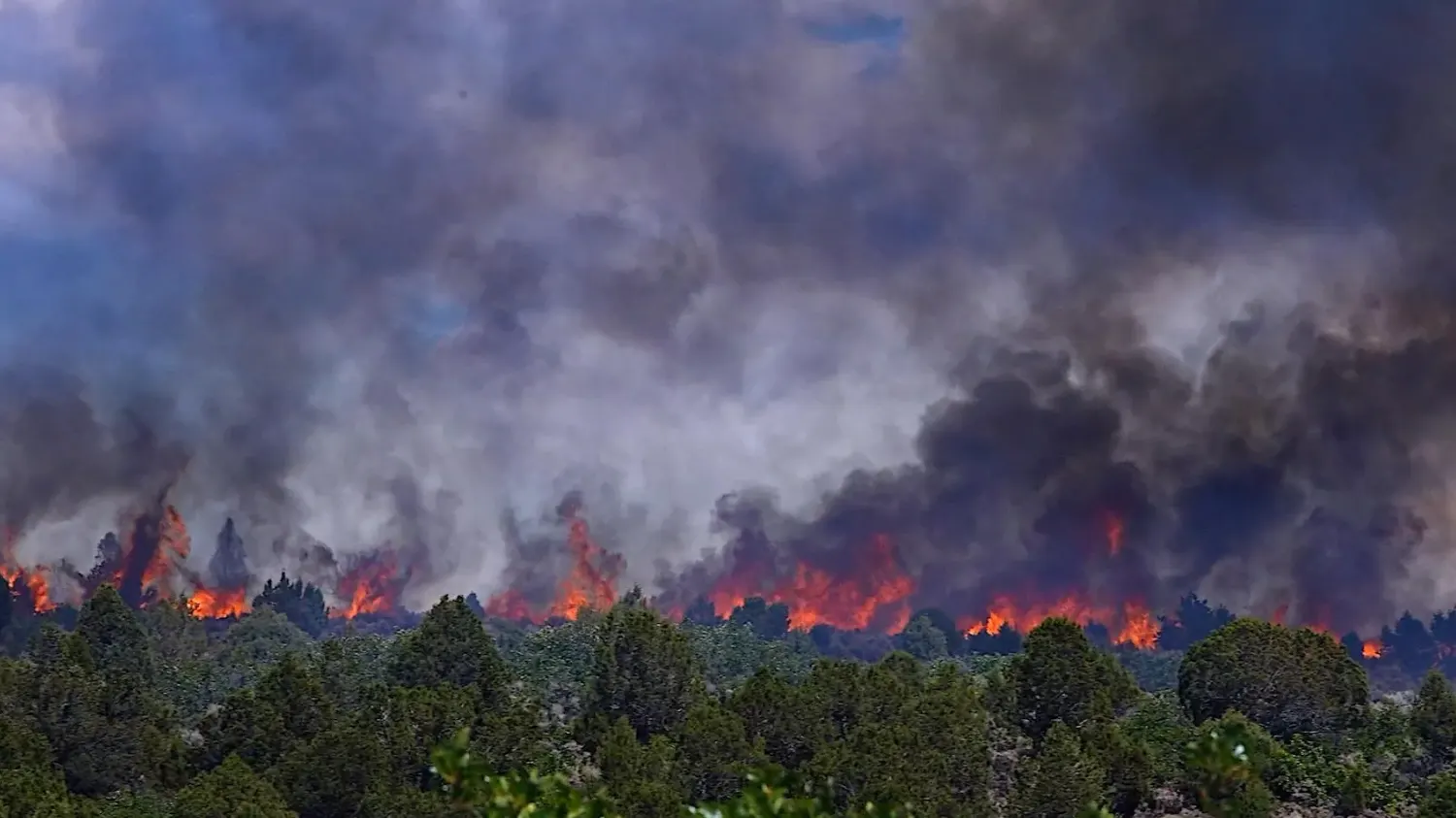
Canada is facing a historic and relentless wildfire season, with hundreds of fires burning across vast areas and sending thick smoke deep into the United States. What began as a national emergency has quickly evolved into a cross border public health crisis, affecting tens of millions of people.
With more than 6.6 million hectares already burned over twice the 10 year average, the scale of destruction is staggering. But beyond the flames, it is the smoke that is now posing the most widespread danger.
A Crisis That Knows No Borders
As wildfires rage across Canada, powerful winds are carrying massive smoke plumes southward, spreading hazardous air far beyond the fire zones.
Provinces from Alberta to Ontario remain under alert, while major U.S. regions including the Midwest and Northeast are experiencing some of the worst air quality levels in recent history.
This is no longer just Canada’s crisis, it’s a continental emergency.
As a result, millions of people who are nowhere near the fires are now dealing with dangerous air pollution levels, highlighting how interconnected environmental crises have become.
Why the Smoke Is So Dangerous
The biggest health threat comes from fine particulate matter known as PM2.5 tiny particles that can penetrate deep into the lungs and even enter the bloodstream.
Exposure to these particles can lead to:
- Respiratory problems, including asthma attacks
- Cardiovascular issues, such as heart strain
- Worsening conditions for vulnerable individuals
Health officials warn that children, the elderly, and people with pre existing conditions are at the highest risk.
As one Environment Canada spokesperson put it:
“The smoke is a serious threat… we urge everyone to take precautions.”
Firefighting Challenges and Ongoing Threats
Despite extensive firefighting efforts, many of the wildfires remain out of control.
Crews are actively battling fires closer to populated areas, but a large number are burning in remote and difficult to access regions, making containment extremely challenging.
This means the crisis is far from over.
Authorities warn that:
- Fires could continue burning for weeks
- New smoke waves may develop depending on wind patterns
- Air quality could fluctuate rapidly, even in areas previously unaffected
A Growing Public Health Emergency
As the fires continue, the focus is shifting from immediate destruction to long term health impacts.
Hospitals and health agencies are preparing for:
- Increased emergency visits
- Long term respiratory complications
- Prolonged exposure risks for large populations
The scale of exposure is what makes this event especially alarming. Tens of millions of people across North America are breathing polluted air simultaneously something rarely seen at this magnitude.
What Residents Should Do
Officials are urging people in affected areas to take the situation seriously and follow safety guidelines:
- Stay indoors when air quality is poor
- Use air purifiers or filtration systems if possible
- Wear masks designed to filter fine particles (like N95s)
- Avoid outdoor exercise during peak pollution periods
Staying informed is critical, as conditions can change quickly depending on fire activity and wind shifts.
The Bigger Picture: A Warning Sign
This wildfire season is not just extreme, it is part of a growing global pattern.
Rising temperatures, prolonged droughts, and changing weather patterns are contributing to:
- More frequent wildfires
- Longer fire seasons
- Greater environmental and health impacts
What’s happening in Canada today could become more common worldwide.
Conclusion
Canada’s wildfire crisis is a stark reminder that natural disasters no longer stay contained within borders. From burning forests to toxic skies, the effects are spreading across an entire continent.
At its core, this crisis is not just about fire, it’s about air, health, and the shared vulnerability of millions of people.
As the fires continue to burn, one thing is clear:
this is a crisis that demands attention, preparedness, and long term solutions.