Southern China is preparing for severe weather as Typhoon Matmo, known locally as Paolo in the Philippines, gains strength over the South China Sea and moves toward the country’s southern coastline.
Forecasters warn that the storm could bring damaging winds, heavy rainfall, flooding, and transportation disruptions across several provinces, including Hainan and Guangdong.
With millions of people traveling during China’s National Day holiday, authorities are taking emergency measures to minimize risks and protect residents in the storm’s path.
Storm Expected to Make Multiple Landfalls
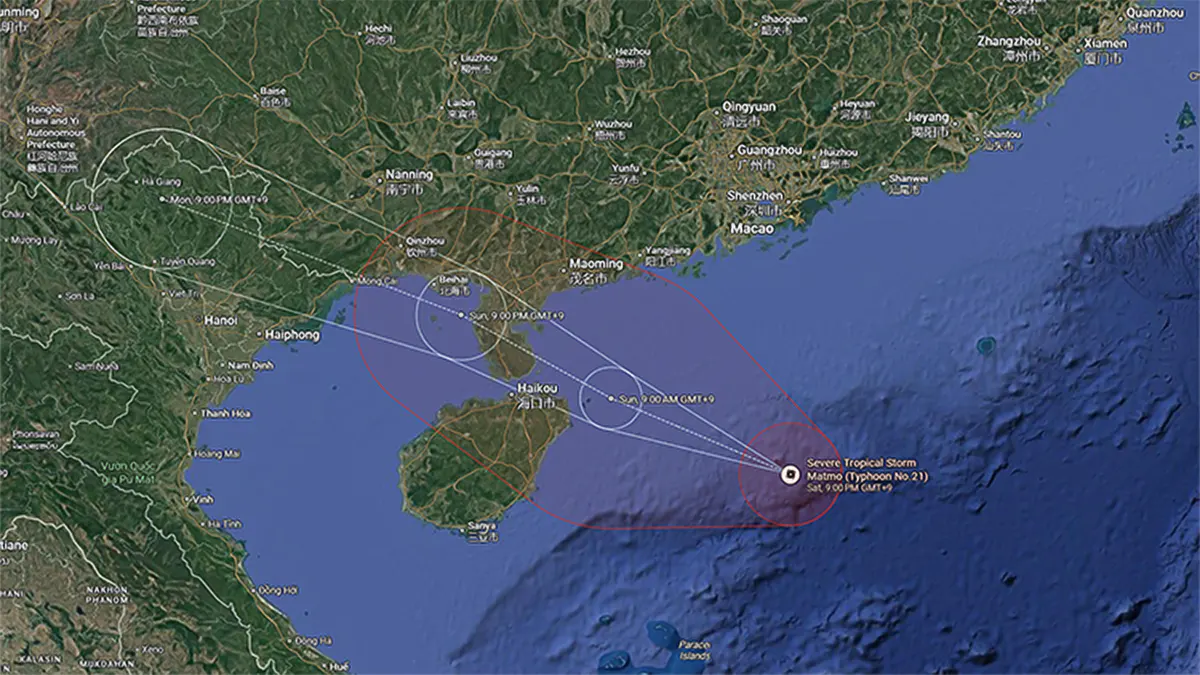
Meteorologists expect Typhoon Matmo to make its first landfall along the southern coast of China, with areas between the Leizhou Peninsula and eastern Hainan considered most vulnerable.
The storm is forecast to arrive with powerful winds and intense rainfall capable of causing flooding, coastal damage, and dangerous sea conditions.
However, the threat does not end after the initial impact.
Weather experts predict that Matmo could move back over water after crossing southern China before making a second landfall near the China-Vietnam border. The system is expected to gradually weaken afterward, but heavy rain and flooding risks may continue well beyond the storm’s strongest phase.
As a result, officials are treating Matmo as a prolonged weather event rather than a short-lived storm.
National Day Travel Plans Thrown Into Disarray
The timing of the storm has created significant challenges for travelers.
China’s National Day holiday is one of the busiest travel periods of the year, with millions of people moving across the country for vacations and family visits. Typhoon Matmo has forced widespread cancellations and service suspensions across southern China.
Flights Grounded
Airports in affected areas have suspended operations as weather conditions deteriorate.
Thousands of passengers have been impacted by cancellations and delays, while airlines continue adjusting schedules based on the storm’s movement.
Ferry Services Halted
Authorities have suspended ferry operations across key routes, including services connecting Hainan Island to mainland China.
The shutdown effectively limits access to and from the island until weather conditions improve.
Rail Networks Affected
High-speed rail and regional train services have also been disrupted across several southern provinces.
Transportation officials have canceled or adjusted routes to ensure passenger safety and protect infrastructure from storm-related damage.
Schools and Public Services Closed
Local governments have temporarily suspended classes, public transportation, and some government services in vulnerable areas.
Residents have been urged to remain indoors, avoid unnecessary travel, and secure outdoor property before the storm arrives.
Coastal Communities Prepare for Dangerous Conditions
Authorities in Guangdong and Hainan have already begun implementing precautionary measures.
Popular coastal attractions, seaside parks, and marine activities have been suspended as officials prepare for potentially hazardous conditions.
Forecasters are warning of:
- Storm surges
- Coastal flooding
- Landslides in mountainous regions
- Urban flooding
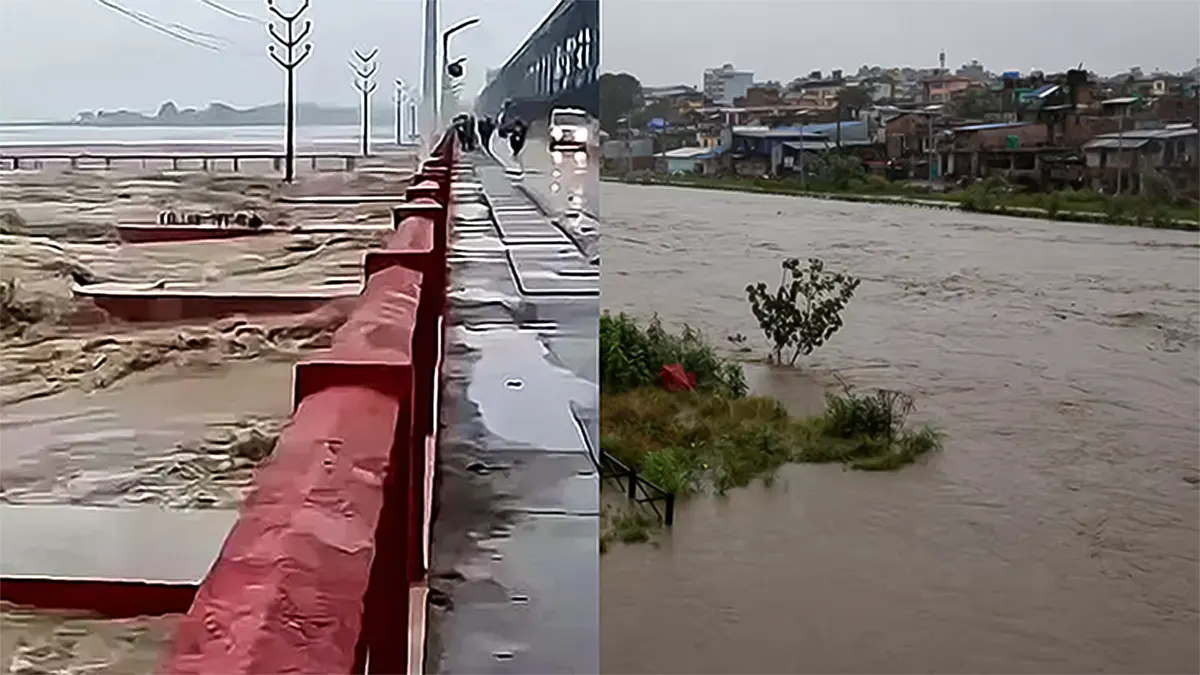
- River overflows
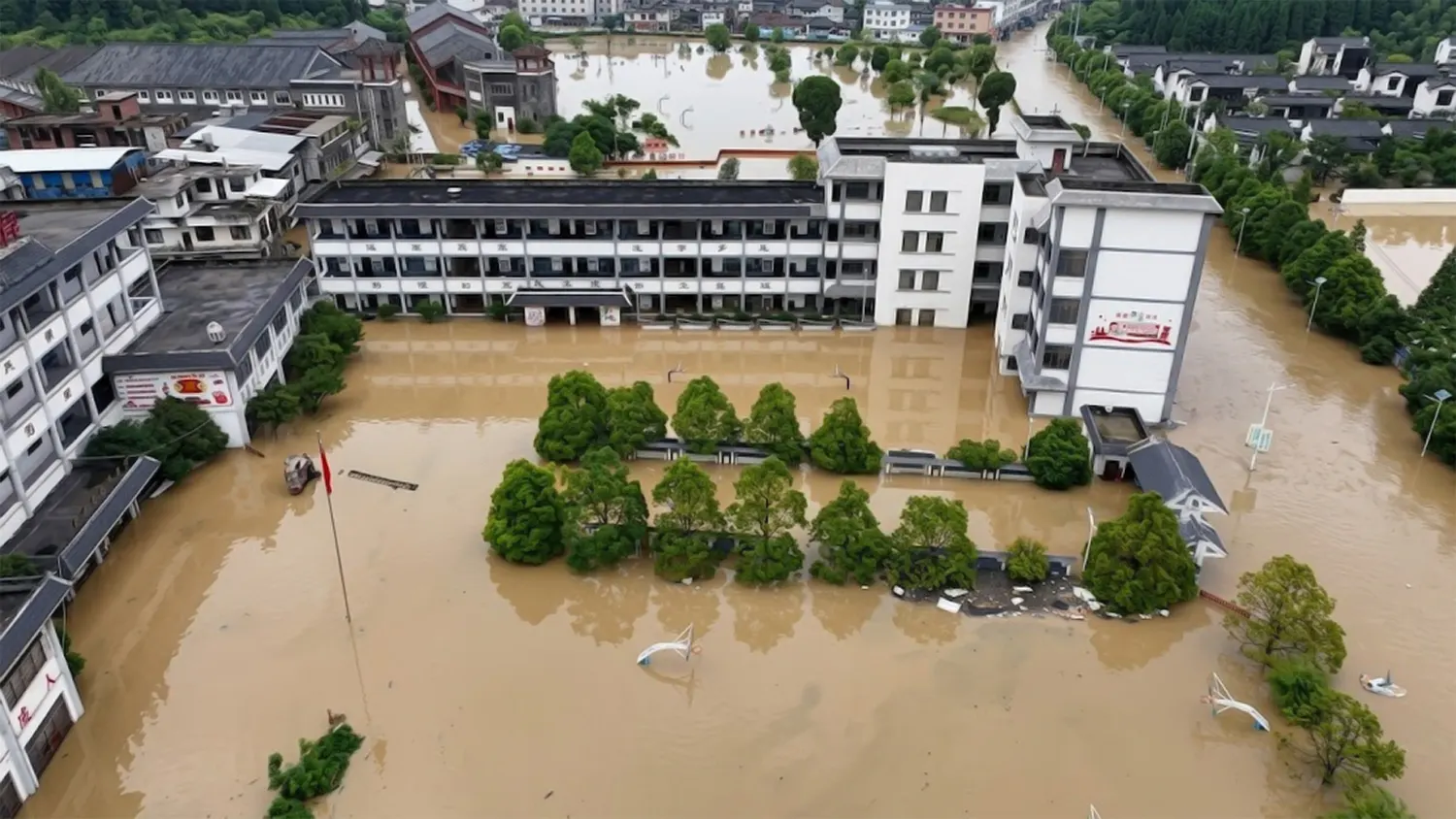
Heavy rainfall is expected across multiple provinces, increasing concerns about flash floods and transportation disruptions even after the strongest winds have passed.
Emergency Response Teams on Standby
China’s emergency management agencies have activated response measures across affected regions.
Local governments have been instructed to:
- Prepare evacuation shelters
- Inspect reservoirs and flood-control infrastructure
- Monitor landslide-prone areas
- Maintain communication with fishing vessels and offshore operations
- Prepare rapid-response teams for power restoration and road clearance
These preparations are aimed at reducing the impact of the storm and speeding up recovery efforts once conditions improve.
Economic Impact Could Extend Beyond the Storm
While safety remains the top priority, Typhoon Matmo is also expected to affect local economies.
Hainan, one of China’s most popular domestic tourism destinations, could face significant losses during what is normally a peak holiday period.
Flight cancellations, hotel booking disruptions, and the temporary closure of tourist attractions may affect businesses that rely heavily on holiday travelers.
The longer transportation restrictions remain in place, the greater the potential economic impact across the region.
Growing Concerns About Stronger Storm Systems
Meteorologists and climate researchers have increasingly highlighted the role of warmer ocean temperatures in strengthening tropical storms.
Typhoon Matmo’s ability to regain strength over warm waters has renewed discussions about changing weather patterns in the region.
While no single storm can be directly linked to climate change, experts continue to study how rising sea temperatures may contribute to more intense rainfall, stronger winds, and longer-lasting tropical systems.
Days of Recovery May Follow
Although Typhoon Matmo is expected to weaken after moving inland, the effects could continue long after the storm itself fades.
Flooded roads, power outages, transportation delays, and cleanup operations may affect communities for several days.
For now, residents across southern China remain focused on preparation as authorities monitor the storm’s path and stand ready to respond.
With one of the busiest travel periods of the year underway, Typhoon Matmo has become more than just a weather event—it is a major test of emergency preparedness across the region.