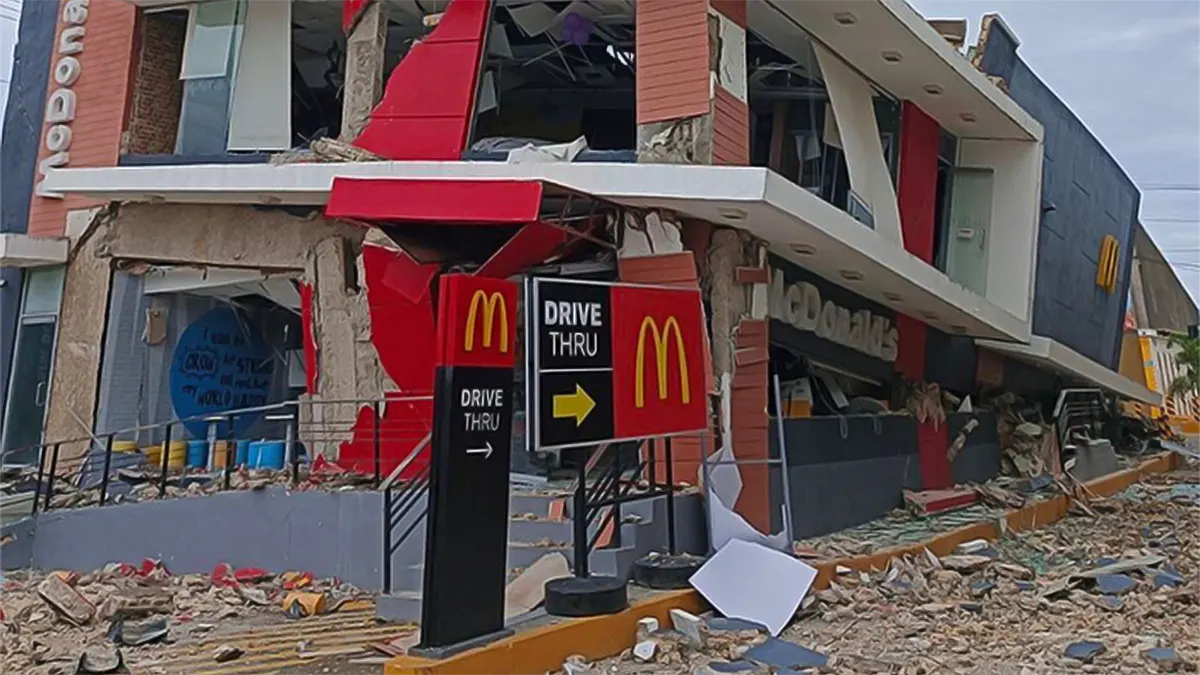
A powerful magnitude 6.9 earthquake struck Cebu province in the central Philippines late Tuesday night, leaving widespread destruction and a growing death toll.
At least 69 people have been confirmed dead, while more than 150 others were injured after the shallow earthquake triggered building collapses, landslides, and severe damage to critical infrastructure across northern Cebu.
Local governments in the hardest-hit areas have declared a state of calamity, allowing emergency funds and resources to be mobilized as rescue teams continue searching for survivors trapped beneath debris.
Shallow Quake Unleashes Destructive Force
The earthquake struck at around 10 p.m. local time, with its epicenter located off the coast near Bogo City in northern Cebu.
Because the quake occurred at a depth of only 5 kilometers, the shaking was felt intensely across surrounding communities. Experts say shallow earthquakes often cause more surface damage than deeper tremors due to their proximity to populated areas.
Residents described scenes of panic as homes shook violently, walls cracked, and buildings collapsed within seconds.
Bogo City and Nearby Towns Bear the Brunt
The worst damage was reported in communities closest to the epicenter.
Landslides and Building Collapses in Bogo City
Bogo City recorded some of the highest casualties, with at least 14 deaths reported. Several victims were buried after landslides struck hillside communities during the earthquake.
Emergency crews continue to search affected areas as officials assess the full extent of the damage.
Residents Killed While Sleeping in Medellin
In Medellin, at least 12 people lost their lives when ceilings and walls collapsed onto homes during the night.
Many residents were asleep when the earthquake struck, leaving little time to escape.
San Remigio Suffers Heavy Losses
San Remigio reported five fatalities, including members of the coast guard and a firefighter who were reportedly crushed while attempting to flee a community basketball event during the quake.
Local officials say damage throughout the municipality remains extensive.
Damaged Infrastructure Slows Emergency Response
The earthquake severely disrupted transportation and public services across northern Cebu.
Cracked roads, damaged bridges, and landslides have cut off access to several coastal and mountain villages, making it difficult for emergency responders to deliver aid.
Authorities are prioritizing the restoration of key transportation routes to speed up rescue and relief operations.
Water and Power Systems Hit Hard
One of the most urgent concerns is access to clean water.
San Remigio’s main water supply system suffered major damage, prompting local officials to request immediate assistance. Meanwhile, widespread power outages affected multiple towns after the quake struck.
Electricity has been partially restored in some areas, but many communities remain without reliable power.
Historic Structures Also Damaged
Several heritage sites were affected by the disaster, including a centuries-old Catholic church in Daanbantayan that sustained significant structural damage.
Engineers are currently evaluating whether the building can be safely restored.
Communities Were Already Recovering From a Storm
The earthquake comes at a particularly difficult time for Cebu and neighboring provinces.
Just days earlier, a tropical storm swept through the region, killing at least 27 people and damaging homes, roads, and public facilities.
As a result, many communities were already struggling to recover when the earthquake struck, further stretching local resources and emergency services.
Rescue Teams Race Against Time
Search and rescue operations remain underway as authorities work to locate survivors trapped beneath collapsed structures.
Heavy equipment, including backhoes and excavators, has been deployed to clear debris, while search dogs and volunteer teams continue combing through damaged neighborhoods.
Officials warn that casualty figures may continue to rise as more remote areas become accessible.
Hospitals Struggle to Handle the Surge
Medical facilities across northern Cebu have been overwhelmed by the influx of injured residents.
In some areas, doctors and nurses have been forced to treat patients outdoors due to concerns that damaged buildings could collapse during aftershocks.
Healthcare workers continue to operate under challenging conditions as new patients arrive.
Hundreds of Aftershocks Keep Residents on Edge
The Philippine Institute of Volcanology and Seismology (PHIVOLCS) has recorded hundreds of aftershocks since the main earthquake.
Although an initial tsunami warning was issued for Cebu, Leyte, and Biliran, authorities later canceled the alert after further assessment.
Despite that reassurance, many residents remain afraid to return home.
Thousands spent the night in evacuation centers, open fields, and temporary shelters, fearing additional tremors could bring down already weakened structures.
Philippines Faces Another Natural Disaster Challenge
The latest earthquake highlights the ongoing risks faced by the Philippines, one of the world’s most disaster-prone countries.
Located along the Pacific Ring of Fire, the nation regularly experiences earthquakes, volcanic eruptions, and powerful tropical storms.
As rescue efforts continue, government officials are appealing for national and international support to help affected communities recover from one of Cebu’s deadliest natural disasters in recent years.