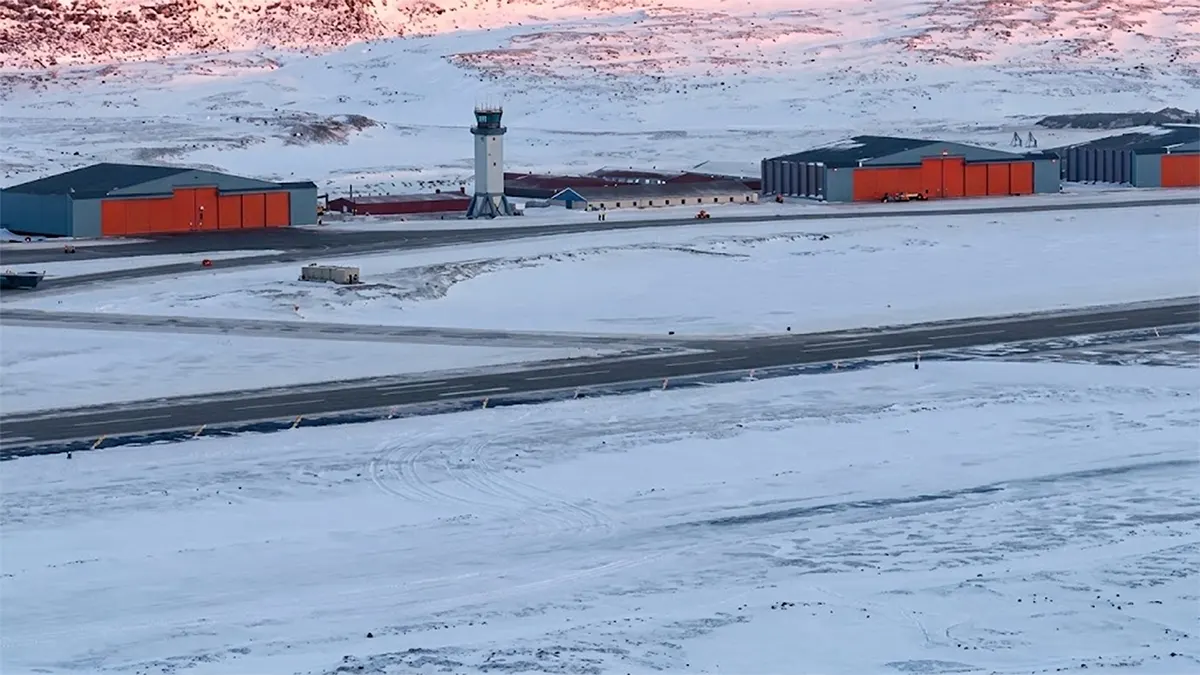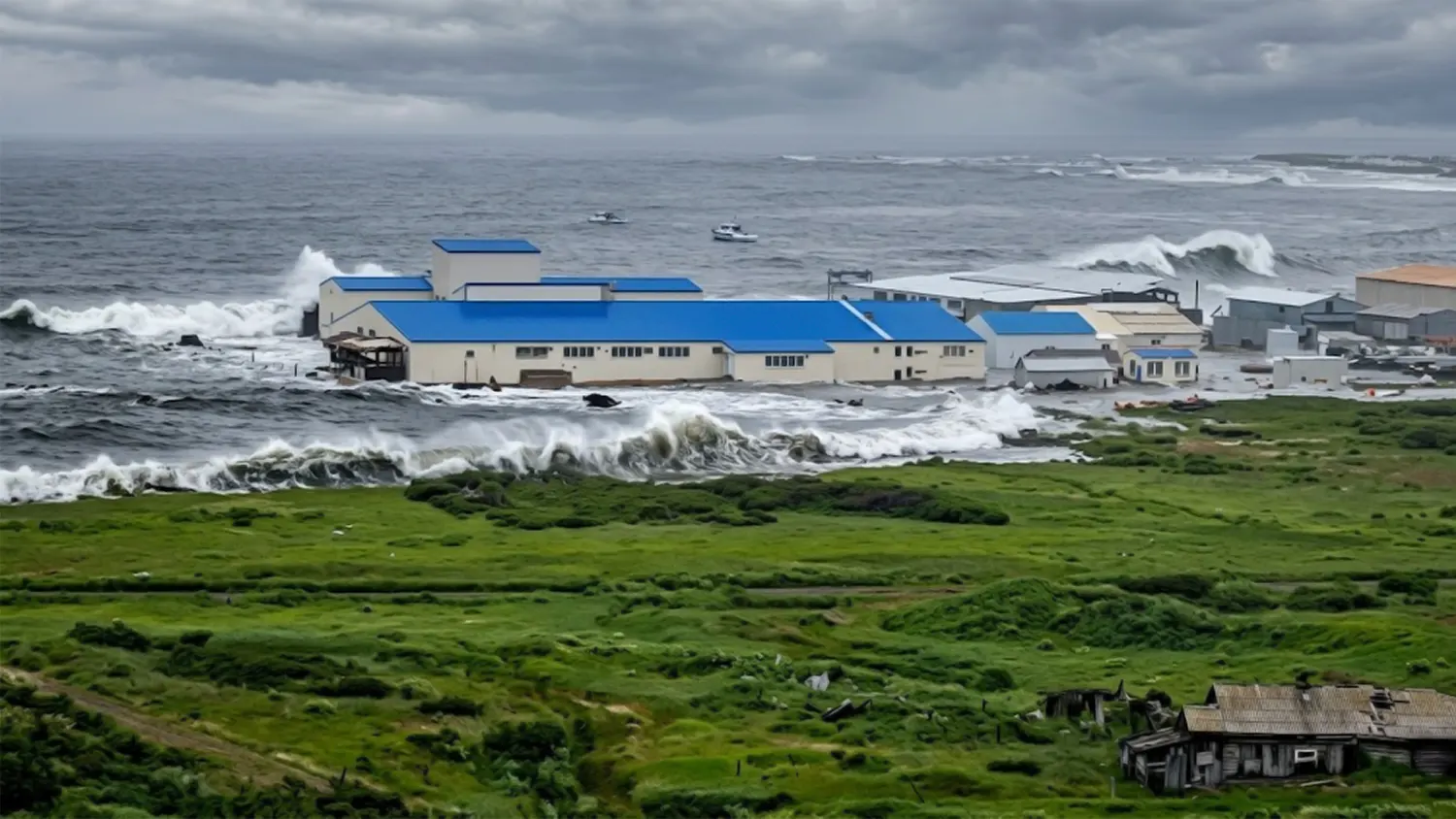
A powerful 8.8 magnitude earthquake, among the strongest recorded in recent decades, struck beneath the seabed off Russia’s Far Eastern Kamchatka Peninsula, unleashing tsunami waves across the Pacific Ocean and triggering widespread evacuations, warnings, and emergency responses.
Initially measured at a lower intensity, the quake was later upgraded, reflecting the true scale of the seismic event and its far reaching impact. The disaster underscores the persistent risks posed by the Pacific Ring of Fire, one of the world’s most active seismic zones.
Epicenter Near Kamchatka Sparks Immediate Tsunami Threat
The earthquake occurred approximately 120–135 kilometers east southeast of Petropavlovsk-Kamchatsky, at a relatively shallow depth of about 19 kilometers. This shallow positioning significantly amplified its destructive potential.
Within hours, the undersea displacement of massive water volumes generated tsunami waves that began striking nearby coastlines, quickly escalating the situation from a regional earthquake to a multi national emergency event.
Severe Impact Across Russia and Japan
The Kamchatka Peninsula and Kuril Islands experienced the most immediate and severe effects.
- Tsunami waves reached heights of 4–5 meters (13–16 feet) in some areas
- The port town of Severo Kurilsk suffered extensive flooding, prompting a state of emergency
- Infrastructure damage and evacuations were reported across affected districts
In Japan, the impact was less severe but still significant:
- Waves of 30–50 centimeters were recorded in Hokkaido
- The Japan Meteorological Agency issued warnings for waves up to 3 meters
- Mass evacuations were ordered, affecting millions
- Transport disruptions included ferry and rail suspensions, while Sendai Airport temporarily closed
Authorities urged residents in coastal zones to evacuate to higher ground or upper building levels, reflecting the seriousness of the threat.
Pacific Wide Alerts Reach the United States and Asia Pacific
The effects of the earthquake quickly extended across the Pacific basin.
- A tsunami advisory was issued along the entire US West Coast, with heightened concern in Northern California
- In Hawaii, evacuation warnings caused traffic congestion in Honolulu, while flights to and from Maui were cancelled
- The Pacific Tsunami Warning Center (PTWC) issued alerts for multiple countries, including:
- Philippines
- Indonesia
- Taiwan
- Colombia
- Peru
- Ecuador
- New Zealand
In Indonesia, authorities issued precautionary warnings for low-level tsunami waves, emphasizing vigilance despite lower projected impact.
Understanding the Cause: Subduction Zone Activity
This event was driven by intense tectonic movement in the Kuril-Kamchatka Trench, where the Pacific Plate is forced beneath the Okhotsk Plate.
This type of subduction zone earthquake is particularly dangerous because it can:
- Displace enormous volumes of seawater
- Generate long distance tsunami waves
- Trigger powerful aftershocks, some reaching magnitudes as high as 6.9
The shallow depth of the quake allowed seismic energy to transfer efficiently into the ocean, intensifying tsunami formation and propagation.
A Stark Reminder of Global Preparedness Needs
The scale and reach of this disaster highlight the critical importance of early warning systems and emergency readiness.
Key preparedness lessons include:
- Following rapid evacuation guidance such as “long or strong, get gone”
- Maintaining family emergency plans
- Ensuring access to real-time alerts and official instructions
For coastal regions worldwide, the Kamchatka earthquake serves as a powerful reminder of nature’s unpredictability and the necessity of swift, coordinated response systems.
Ongoing Risk and Assessment
Authorities continue to evaluate the full extent of damage, while monitoring for aftershocks and residual tsunami threats. The event remains a major case study in global disaster response, emphasizing both the strengths and vulnerabilities of current systems.