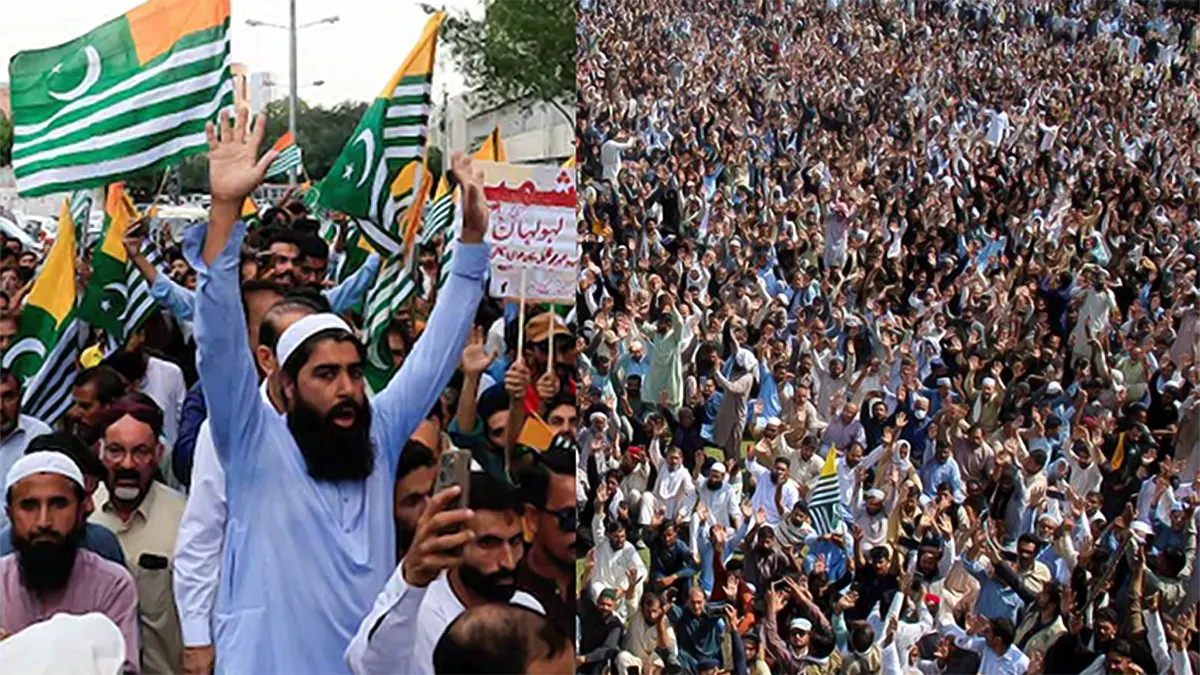
India has sharply criticized Pakistan following reports of violence and alleged human rights abuses during large-scale protests in Pakistan-administered Kashmir, as unrest continues to spread across the region.
In a statement issued on October 3, 2025, India’s Ministry of External Affairs (MEA) accused Islamabad of carrying out a harsh crackdown on civilians and blamed long-standing governance issues for the growing public anger.
The latest demonstrations have become one of the most significant political challenges faced by authorities in the region in recent years, with protesters demanding economic relief, political reforms, and greater local autonomy.
India Accuses Pakistan of Human Rights Violations
MEA spokesperson Randhir Jaiswal condemned the reported use of force against demonstrators, describing the situation as evidence of deeper structural problems in the territory.
According to the Indian government, the unrest reflects widespread dissatisfaction with economic conditions and political administration in the region.
Jaiswal argued that years of policies imposed by Islamabad have contributed to public frustration, leading to the current wave of protests.
The comments mark one of India’s strongest public responses to developments in the disputed region since the demonstrations began.
Protest Movement Expands Beyond Economic Grievances
The protests are being led by the Jammu Kashmir Joint Awami Action Committee (JAAC), a coalition that has mobilized thousands of people in Muzaffarabad and surrounding districts.
While earlier demonstrations focused primarily on rising living costs, electricity shortages, and access to basic services, organizers say the movement has evolved into a broader campaign seeking political and institutional reforms.
The JAAC has outlined a 38-point charter of demands, addressing both economic and governance issues.
Among the key proposals are calls for subsidized wheat prices, lower electricity tariffs, and reforms aimed at reducing what protesters describe as excessive government privileges.
Activists have also raised concerns about political representation and the influence of federal authorities in local affairs.
Security Response Sparks Controversy
Tensions escalated after demonstrators organized a major march toward Muzaffarabad, prompting a large security deployment.
Witnesses and protest leaders allege that security forces used tear gas, baton charges, and live ammunition to disperse crowds.
While protest organizers claim that multiple civilians were killed during the crackdown, authorities have acknowledged casualties involving both demonstrators and police personnel.
The exact number of deaths remains disputed.
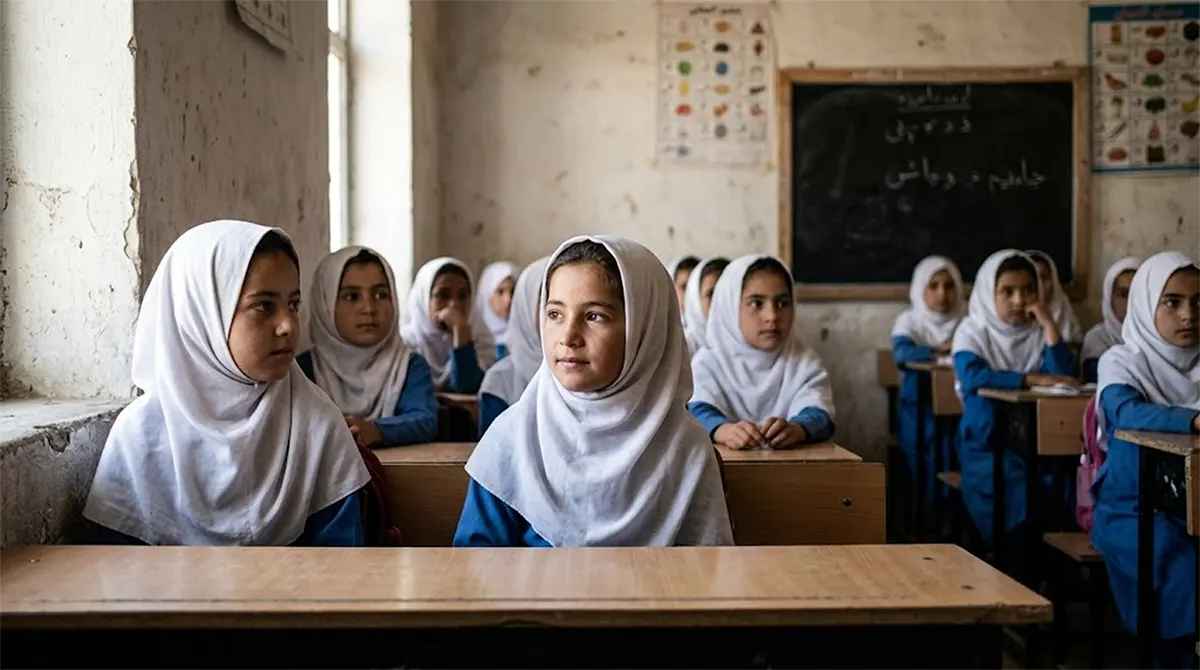
Schools across parts of the region have been closed, and reports of communication restrictions have drawn criticism from rights organizations concerned about access to information and transparency.
Islamabad Blames External Influence
Pakistan’s federal government has expressed willingness to engage in dialogue with protest leaders but has also suggested that outside actors may be attempting to influence the unrest.
Officials have pointed to possible foreign involvement, an allegation widely viewed as a reference to India.
The accusations have added another layer of tension to already strained relations between the two neighboring countries, which continue to dispute the status of the Kashmir region.
Despite the political rhetoric, protesters have largely framed their demands around economic hardship, governance concerns, and accountability.
Growing Challenge to the Political Status Quo
Political observers say the demonstrations represent a significant development in the region’s internal politics.
Many protesters have openly criticized existing political structures and questioned long-standing governance arrangements.
The movement has attracted attention for its scale and for the willingness of participants to publicly challenge powerful institutions that have historically played a dominant role in regional affairs.
Analysts note that the protests highlight broader concerns about economic opportunity, public services, and political representation.
International Calls for Restraint
The situation has also drawn attention from international human rights organizations.
Groups including Amnesty International have called on authorities to restore communication services, ensure transparency, and respect the rights of peaceful protesters.
Human rights advocates have urged all parties to avoid further escalation and to pursue dialogue as a means of addressing grievances.
Meanwhile, India reiterated its longstanding position regarding the territory and called on the international community to closely monitor developments.
As demonstrations continue and tensions remain high, attention is increasingly focused on whether negotiations can ease the crisis or whether further confrontations will deepen instability in the region.