Relentless monsoon rains are once again devastating South Asia. Across parts of India and Pakistan, rivers have overflowed, villages have disappeared under muddy water, and thousands of families have been forced to flee their homes. Rescue teams are struggling to reach isolated communities as roads collapse and farmland is swallowed by floods.
But as the humanitarian crisis deepens, another conflict is rising alongside it , a political fight over who is responsible for the disaster.
Pakistan has accused India of deliberately worsening the floods by releasing large amounts of water from upstream dams without warning. The allegations have reignited tensions between the two nuclear-armed neighbors and pushed water politics back into the center of regional debate.
Yet many experts say the real danger is not a secret “water war,” but a climate crisis that both countries are failing to prepare for.
When Floodwaters Cross Borders, So Does the Blame
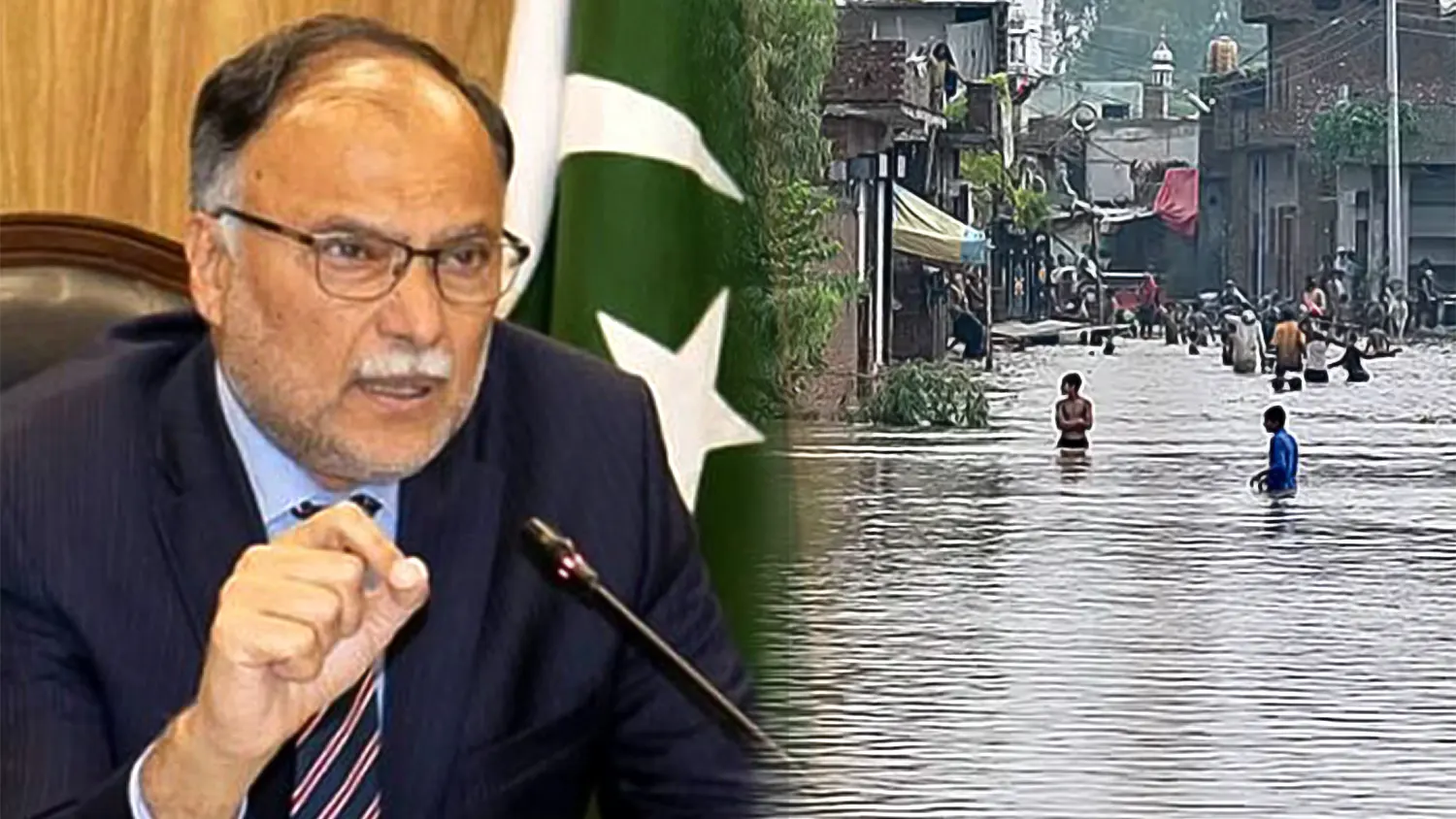
Pakistani officials, including Federal Minister Ahsan Iqbal, claim that India released excess water from upstream reservoirs at a critical moment, intensifying floods in eastern Punjab province.
According to Pakistani authorities, the sudden surge overwhelmed local infrastructure, destroying homes, damaging crops, and displacing thousands of residents. Officials argue that the situation became even more dangerous after the suspension earlier this year of the Indus Waters Treaty, the long-standing agreement that governed water sharing and hydrological coordination between the two countries.
For decades, the treaty allowed both sides to exchange real-time river and reservoir data. Pakistani leaders now say the collapse of that mechanism has left them without crucial warning systems during extreme weather events.
The accusations have fueled anger inside Pakistan, where flood victims are already grappling with massive economic losses and growing frustration over disaster preparedness.
Still, while the political rhetoric has intensified, many scientists and hydrology experts strongly dispute the idea that India intentionally “weaponized” water.
The Climate Reality Behind the Disaster
Experts point to a far simpler explanation: the monsoon itself is becoming more violent.
This year’s rainfall across parts of India and Pakistan has exceeded historical averages, overwhelming drainage systems, embankments, and dams on both sides of the border. Climate scientists warn that rising global temperatures are making South Asia’s monsoon season increasingly unpredictable, producing shorter but far more intense bursts of rainfall.
In that environment, dam operators often face an impossible choice.
Once reservoirs approach dangerous capacity levels, authorities must release water to prevent structural failure. Hydrologists emphasize that emergency discharge is a standard flood-control procedure, not evidence of an offensive strategy.
As several regional analysts have noted, northern India itself suffered severe flooding before the waters moved downstream into Pakistan. Entire communities in India were already underwater, making the idea of a deliberate “water attack” difficult to support.
One expert summarized the argument bluntly: “India would have to drown itself first to weaponize water against Pakistan.”
That does not erase the suffering downstream. But it shifts the focus away from conspiracy and toward a larger regional vulnerability that both governments are struggling to confront.
A Region Built for Another Climate Era
The floods have exposed how poorly prepared South Asia remains for climate-driven disasters.
Across both countries, aging dams, weak embankments, overcrowded cities, and inadequate drainage systems are turning extreme rainfall into repeated humanitarian emergencies. Rapid urban expansion has only worsened the problem, with many flood-prone areas now densely populated and lacking resilient infrastructure.
Disaster response systems are also under strain. Delayed evacuations, inconsistent warning systems, and limited coordination between local and national authorities have left millions vulnerable when rivers rise suddenly.
The political blame game, analysts argue, risks distracting from these deeper structural failures.
Instead of escalating tensions, many experts believe the crisis should push India and Pakistan toward rebuilding cooperation in several critical areas:
- Cross-border flood forecasting
- Modernized water infrastructure
- Climate adaptation planning
- Real-time hydrological data sharing
- Faster regional disaster response coordination
Without those systems, future monsoon seasons could become even deadlier.
The Indus Treaty Was About More Than Water
The current tensions also highlight the broader importance of the Indus Waters Treaty, one of the world’s most durable water sharing agreements.
Signed in 1960 with World Bank mediation, the treaty survived wars, military standoffs, and decades of hostility between India and Pakistan. More importantly, it created technical communication channels that allowed both countries to coordinate during periods of heavy rainfall and rising river levels.
With those channels weakened or suspended, mistrust grows quickly during every major weather disaster.
That is especially dangerous in a region where rivers ignore political borders. Floodwaters released upstream in India eventually move downstream into Pakistan regardless of diplomatic tensions, making cooperation less of a political luxury and more of a practical necessity.
The Bigger Threat Is Not Across the Border
For millions living across Punjab and other flood-hit regions, the immediate concern is survival , finding shelter, food, clean water, and rebuilding homes destroyed by rising rivers.
But beyond the immediate disaster lies a larger warning for South Asia.
Climate change is accelerating faster than the region’s political systems can adapt. Extreme floods that once occurred once in a generation are becoming increasingly common, while governments continue to approach water through the lens of rivalry rather than shared survival.
The danger is that each new disaster becomes another geopolitical confrontation instead of a catalyst for cooperation.
Because in the end, the monsoon does not recognize borders. And neither will the climate pressures reshaping the future of South Asia.