What’s Happening on the Ground
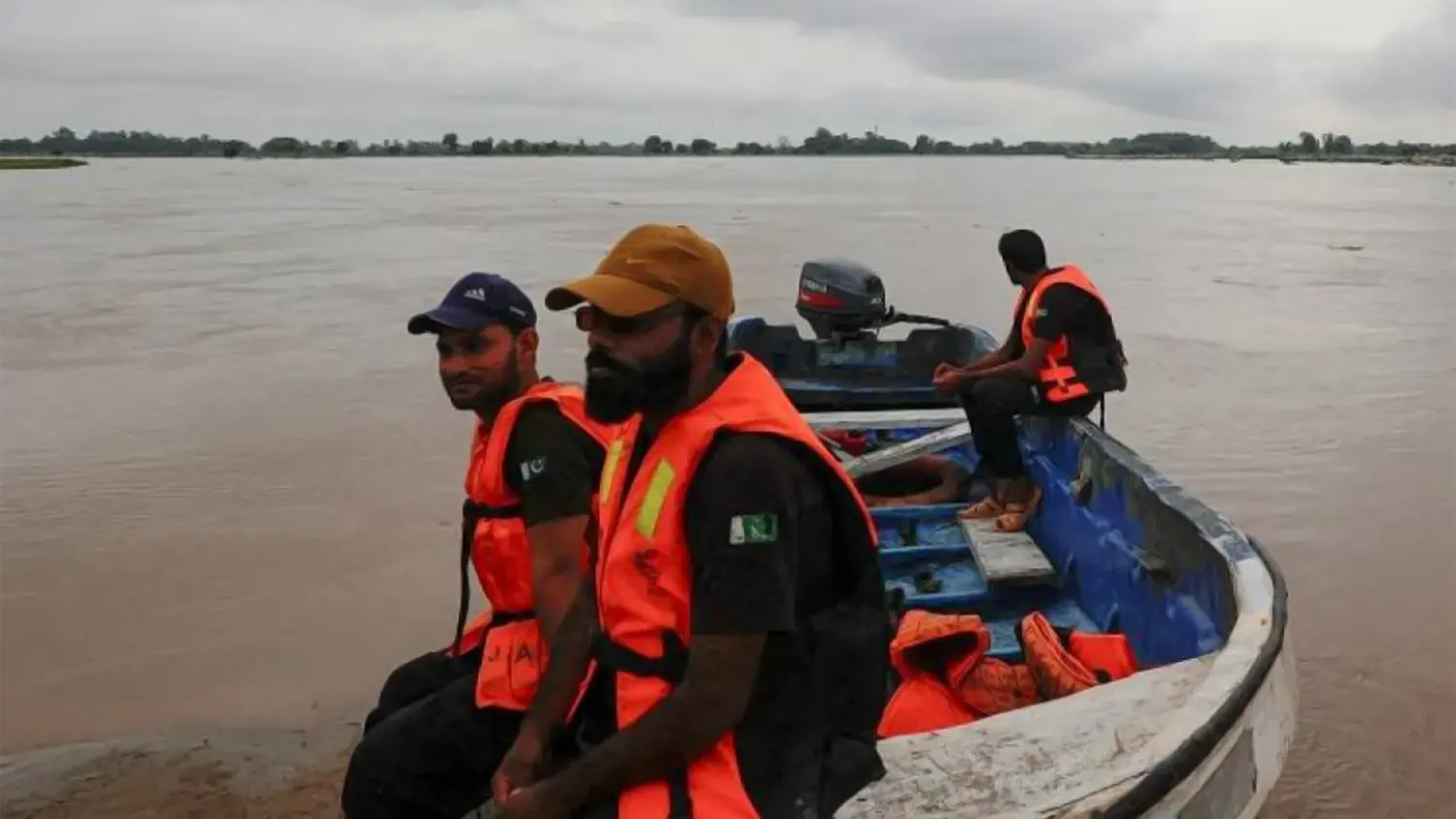
Emergency evacuations are in full swing across eastern Pakistan after India released a massive volume of water from its overflowing reservoirs, sending the Sutlej River surging into communities on the Pakistani side of the border.
In Kasur district alone, more than 14,000 residents have been forced from their homes. In Bahawalnagar city, that number jumps to 89,000. Combined, more than 100,000 people are now displaced pulled from flooded streets, relocated to shelters, and waiting to see what the rising water leaves behind.
The Sutlej, already swollen from weeks of heavy monsoon rain, couldn’t absorb the additional volume. Communities along its banks paid the price.
India Did Warn Pakistan And That’s Worth Noting
Before releasing the water, New Delhi sent Islamabad an advance notification. In most situations, that might seem routine. Between these two countries right now, it’s anything but.
India suspended the Indus Waters Treaty earlier this year, a decades old agreement that has long governed how the two nations share and communicate about transboundary water flows. With that framework effectively on ice, there was no formal obligation for India to say anything at all.
The fact that it did has caught the attention of analysts watching the relationship between the two nuclear-armed neighbours. It doesn’t signal a thaw, but it suggests that even amid deep hostility, some practical lines of communication remain open at least when the stakes are high enough.
A Monsoon Season Already Pushing Pakistan to Its Limits
The dam release didn’t create Pakistan’s flood crisis. It made an existing one significantly worse.
Since late June, monsoon flooding has killed more than 800 people across the country. Infrastructure has been battered, crops destroyed, and thousands displaced before a single drop from India’s reservoirs crossed the border. Pakistani disaster response teams were already stretched thin when the Sutlej began to rise further.
Now authorities are scrambling to set up shelters, move food and medical supplies to displaced communities, and keep rescue operations running as water levels continue to climb. Officials are clear about the immediate priority: getting people out safely and keeping them alive.
The Bigger Problem No One Has Solved
Beyond the immediate crisis lies a more complicated issue. With the Indus Waters Treaty suspended, the formal mechanism that once governed exactly these kinds of situations dam releases, river levels, emergency alerts no longer functions the way it was designed to.
Experts are warning that future flood seasons could look even messier if the two countries can’t find a way to coordinate on water management, treaty or no treaty. This week’s notification from India shows that ad hoc communication is possible. But relying on goodwill during a crisis is a fragile substitute for a working agreement.
For now, the focus in Pakistan is survival. The longer conversation about water diplomacy will have to wait but it can’t wait forever.