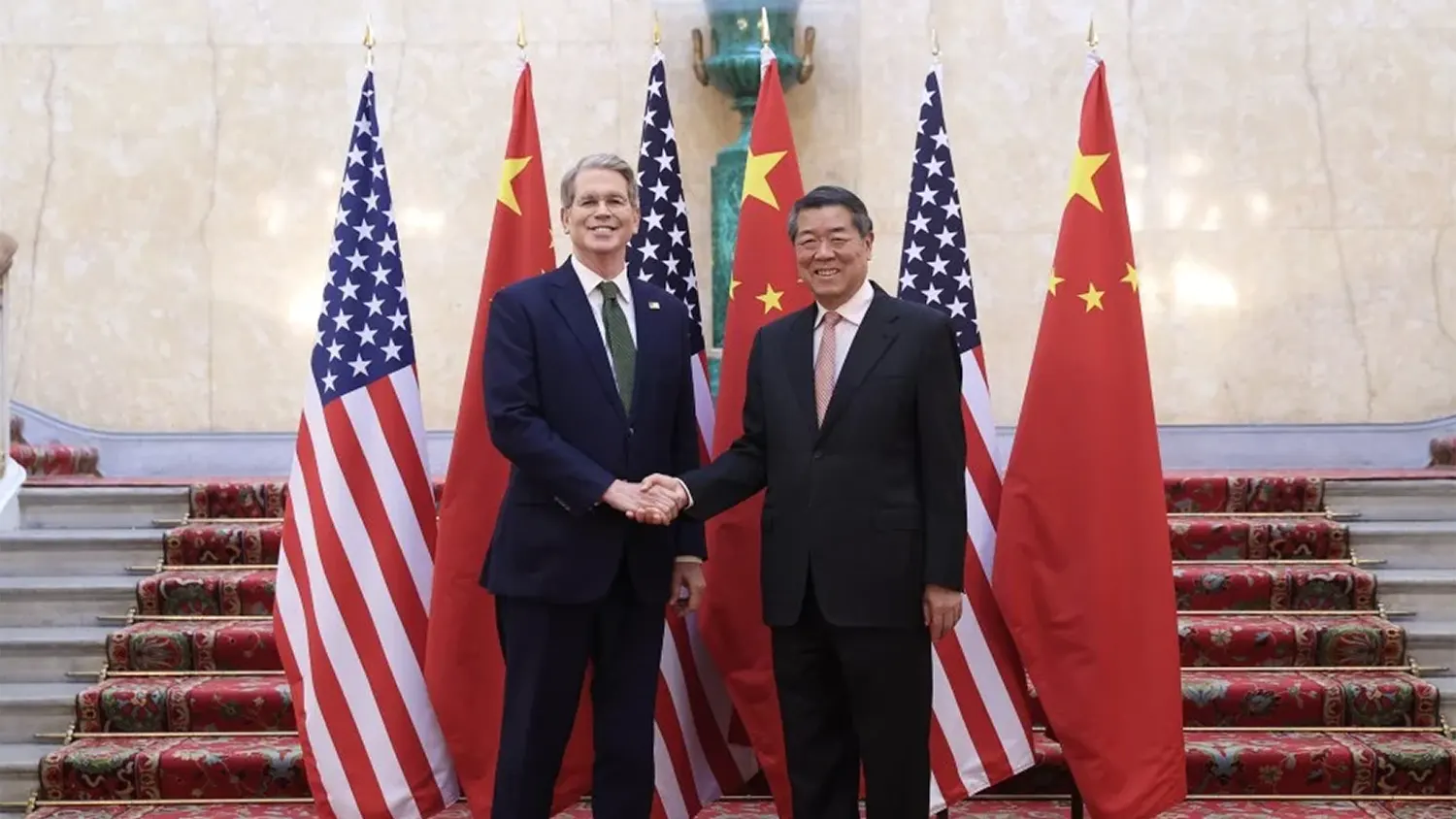
The United States and China returned to the negotiating table in Madrid on Sunday, September 14, 2025, as both countries attempted to ease growing trade tensions and prevent further damage to global markets. The meeting marked the fourth round of high-level discussions between the world’s two largest economies in recent months.
Hosted by Pedro Sánchez in the Spanish capital, the talks brought together senior officials from both nations amid mounting pressure over tariffs, technology restrictions, and geopolitical disputes.
The U.S. delegation was led by Scott Bessent and Trade Representative Jamieson Greer, while China sent Vice Premier He Lifeng and chief trade negotiator Li Chenggang.
TikTok Sale Deadline Returns to the Spotlight
One of the biggest issues hanging over the Madrid discussions is the looming September 17 deadline for ByteDance to sell TikTok’s U.S. operations.
The U.S. government has repeatedly warned that the app could face a nationwide shutdown if the Chinese company fails to comply. However, the deadline has already been delayed several times since 2021, largely because negotiators have struggled to finalize a workable deal.
Despite political pressure in Washington, many analysts believe another extension is likely. At the moment, there is still no confirmed agreement for TikTok’s U.S. business.
Some lawmakers in the United States continue pushing for stricter action, arguing that TikTok poses a potential national security risk because of its Chinese ownership. China, meanwhile, has consistently opposed forced divestment efforts targeting its technology companies.
Tariffs and Russian Oil Add More Pressure
Trade tariffs also remained a major point of friction during the talks.
The United States has been urging G7 nations and European allies to increase economic pressure on countries still buying Russian oil, including China and India. Washington argues that these purchases help sustain Russia’s military activities in Ukraine.
Earlier this year, the U.S. imposed a 25% tariff on selected Indian goods tied to Russian oil trade. Similar measures against China have not yet been introduced, but the possibility continues to fuel tensions between Washington and Beijing.
The disagreement reflects a broader struggle over how economic policy is increasingly being used as a geopolitical tool.
China Targets US Semiconductor Industry
Just days before the Madrid meeting began, China launched two investigations into the American semiconductor sector.
According to China’s Ministry of Commerce, the probes focus on alleged anti-dumping violations and discriminatory treatment against Chinese technology products.
Beijing accused Washington of using restrictive policies to suppress Chinese tech companies and called on the United States to change what it described as unfair trade practices.
The move added another layer of tension to already difficult negotiations, especially as both countries continue competing for dominance in advanced technologies such as artificial intelligence and semiconductor manufacturing.
Longstanding Economic Disputes Still Unresolved
Although previous rounds of talks helped temporarily reduce some tariff barriers, the deeper disagreements between the two nations remain unresolved.
The United States continues pressing China to reduce government subsidies for exporters and adopt a more market-driven economic system. China has resisted many of those demands, arguing that its economic policies are part of its national development strategy.
Because these issues are deeply tied to both countries’ long-term economic goals, analysts expect negotiations to remain difficult for the foreseeable future.
Possible Trump-Xi Meeting Could Follow
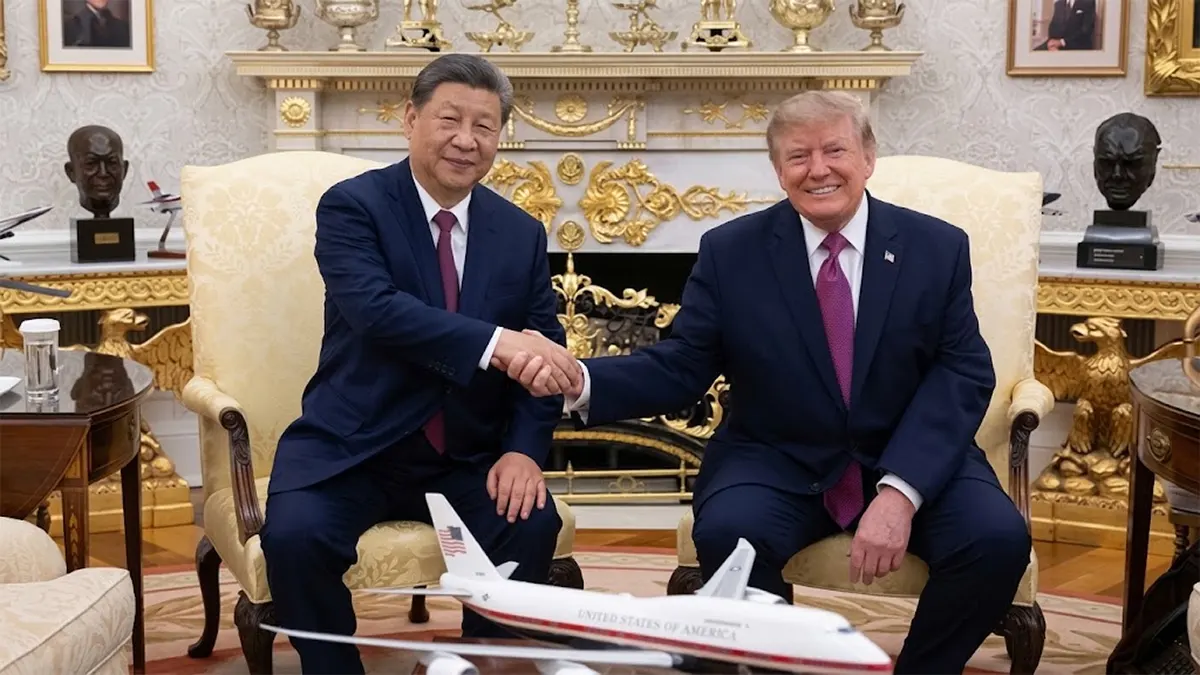
Despite the challenges, the Madrid discussions may help prepare the ground for a future summit between U.S. President Donald Trump and Chinese President Xi Jinping.
Speculation is growing that the two leaders could meet during the upcoming APEC summit in Seoul later this year.
If that happens, observers believe several major developments could emerge, including:
- A final resolution involving TikTok
- Expanded Chinese purchases of U.S. agricultural products like soybeans
- A partial rollback of certain tariffs on Chinese imports
While no breakthroughs have been confirmed, both sides appear interested in preventing tensions from escalating further.
Global Markets Closely Watching the Outcome
The Madrid talks highlight how deeply connected trade, technology, and geopolitics have become between the United States and China.
Washington continues pursuing a strategy of “de-risking” sensitive sectors tied to national security, while Beijing has warned it will respond strongly to actions it considers harmful to Chinese interests.
As negotiations continue, the outcome of these discussions could influence not only U.S.-China relations, but also the broader direction of global trade and economic stability in the years ahead.