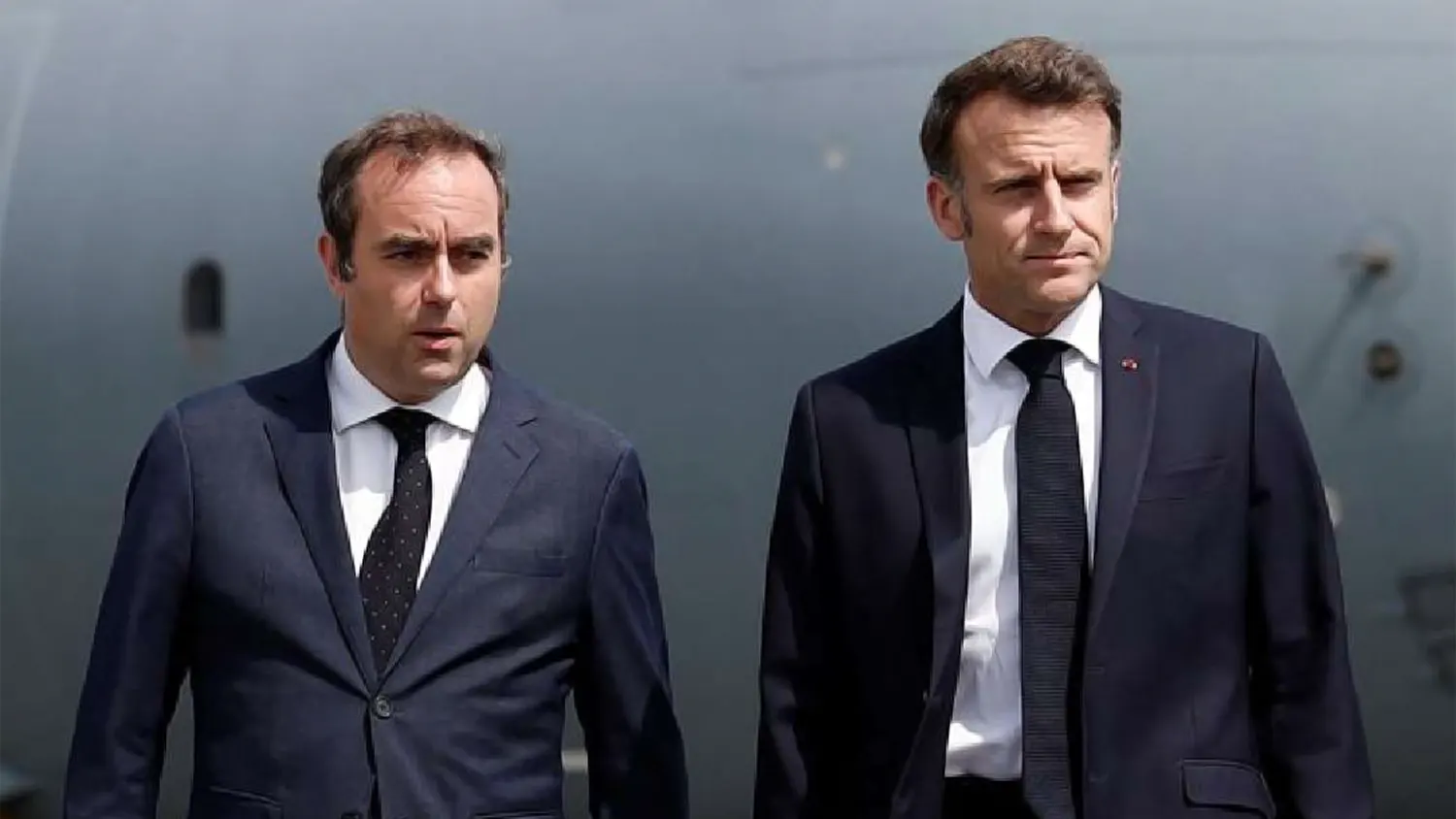
French President Emmanuel Macron has appointed Sébastien Lecornu as France’s new prime minister, marking the country’s third leadership change in less than a year.
The appointment follows the collapse of former Prime Minister François Bayrou’s government after a no confidence vote forced his administration to resign.
The latest political upheaval highlights the growing instability facing Macron’s government as public frustration rises and parliament remains deeply divided.
Macron Turns to a Trusted Ally
At just 39 years old, Lecornu is one of Macron’s closest political allies and previously served as France’s Minister of the Armed Forces.
His appointment signals that Macron intends to continue pushing his centrist and pro-business reform agenda despite increasing resistance from opposition parties and mounting pressure from voters.
Political observers say Macron chose Lecornu because of his reputation for discipline, loyalty, and experience handling difficult political situations.
Rather than building a broad coalition government, Macron appears focused on maintaining control through trusted loyalists capable of defending his policies inside parliament.
Government Collapse Triggered by Budget Dispute
The downfall of Bayrou’s government was largely tied to disagreements over France’s proposed 2026 national budget.
The budget debate has become one of the most politically sensitive issues in France, with fierce arguments over public spending, pension reforms, labor policies, and defense investment.
Bayrou failed to secure enough parliamentary support for the plan, leading opposition parties to unite behind a no-confidence motion.
The crisis has now brought down two prime ministers in succession, exposing the fragility of Macron’s minority government.
Analysts warn that the same budget battle could now threaten Lecornu’s leadership as well.
Lecornu Faces Immediate Political Test
Lecornu’s first challenge will be convincing lawmakers to support a revised budget proposal.
Macron’s administration is reportedly pushing for stricter fiscal discipline, labor market reforms, and increased military spending policies that remain highly controversial across both the political left and far right.
Opposition leaders have already criticized Lecornu’s appointment, accusing Macron of ignoring parliament’s message and refusing to compromise.
Members of the Socialist Party argued that the government no longer has a clear democratic mandate to continue governing without broader political support.
The growing political deadlock has increased speculation that France could eventually face snap legislative elections if another government collapse occurs.
Protests Spread Across France
At the same time, Macron’s administration is also dealing with rising unrest on the streets.
Thousands of demonstrators have joined nationwide protests under the slogan “Block Everything,” expressing anger over economic pressures, pension reforms, and the rising cost of living.
Large demonstrations have taken place in major cities including Paris, Lyon, and Marseille.
Some protests reportedly led to clashes between police and demonstrators as unions and activist groups called for further nationwide mobilization.
The protests reflect growing dissatisfaction with France’s political establishment and increasing frustration over Macron’s leadership style.
Who Is Sébastien Lecornu?
Before becoming prime minister, Lecornu built a reputation as one of Macron’s most reliable political operators.
Originally associated with center-right politics, he later joined Macron’s movement and held several major government positions, including Minister of Overseas Territories and Minister of the Armed Forces.
Although less publicly visible than some senior French politicians, Lecornu is widely viewed inside government circles as highly strategic and experienced in managing state institutions.
His defense background may also become increasingly important as Europe continues facing growing security concerns linked to the war in Ukraine and wider NATO tensions.
France Enters Another Uncertain Political Chapter
The coming weeks could determine whether Lecornu can stabilize Macron’s government or whether France is heading toward deeper political turmoil.
To survive, the new prime minister must quickly form a cabinet, negotiate with rival parties, and secure enough support to pass the national budget without triggering another no-confidence vote.
Failure could push Macron toward calling early elections, a risky move at a time when support for both far-right and left-wing opposition groups continues to grow.
For now, Macron’s decision to appoint Lecornu reflects a government trying to maintain control amid rising public anger, parliamentary gridlock, and an increasingly uncertain political future.