Spain has endured a lot of hot summers. But what the country just went through is in a category of its own.
The Spanish national meteorological agency AEMET has officially declared the 16-day heatwave that ran from August 3 to August 18 the most intense ever recorded in the country. Average temperatures during that stretch ran 4.6°C higher than any previous heatwave on record, a gap that, in climate terms, is staggering.
The Numbers Behind the Heat
The data AEMET released paints a grim picture. The 10-day window between August 8 and August 17 was the hottest consecutive 10-day period Spain has recorded since at least 1950 as far back as reliable records go. Across the full 16 days, the heat was relentless, pushing infrastructure, emergency services, and human bodies to their limits.
The Carlos III Health Institute estimates that more than 1,100 deaths in Spain are linked directly to the heatwave. That number alone makes this one of the deadliest weather events the country has faced in modern history.
Wildfires Fed by the Heat
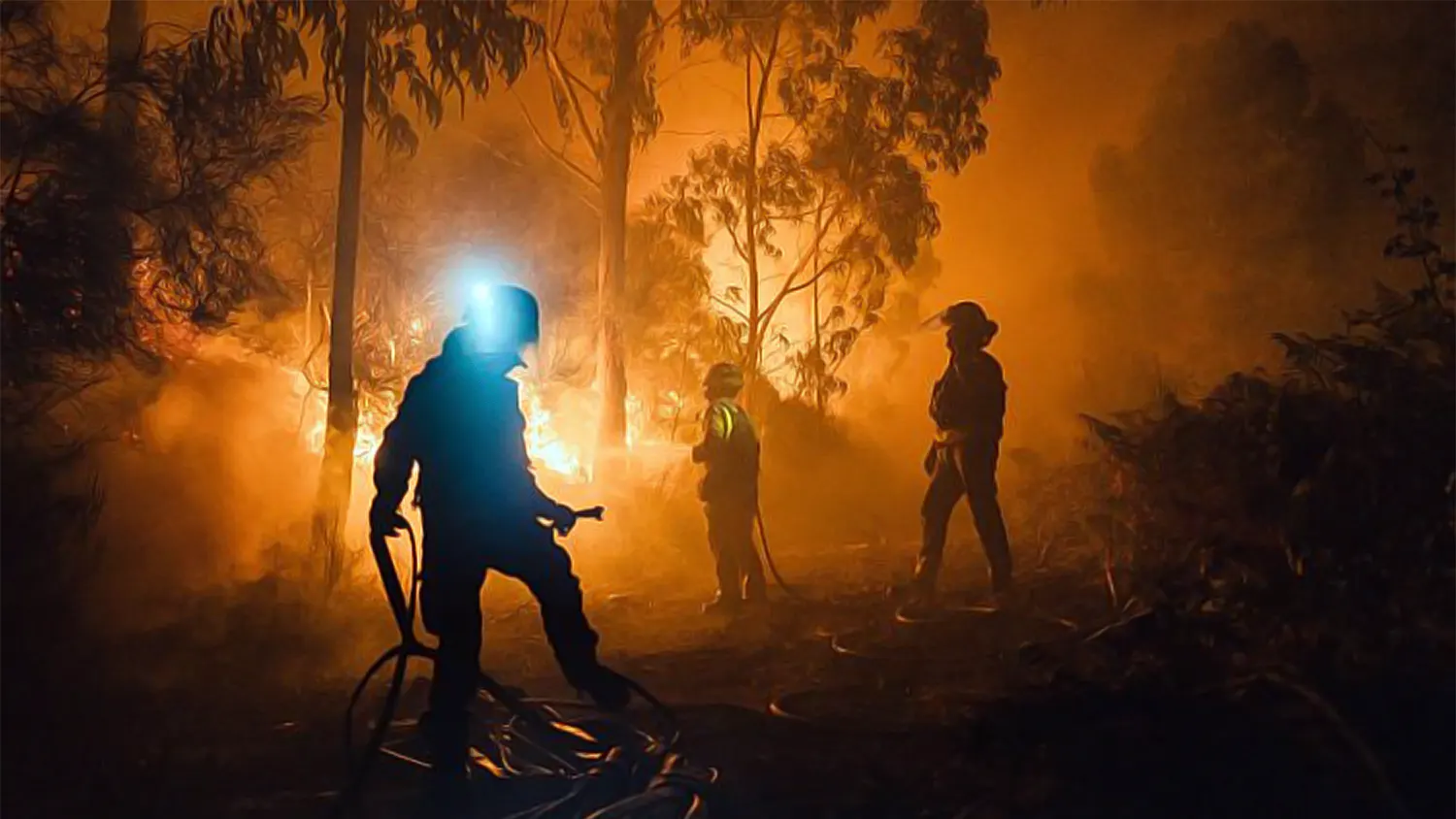
Extreme heat and dry conditions created the perfect environment for wildfires to ignite and spread fast. Blazes tore through northern and western Spain for weeks, killing at least four people and forcing hundreds from their homes. Neighboring Portugal already battling its own large scale fires lost four more lives to the flames.
Firefighters have been pushed to their limits. Water bombing planes and emergency crews from nine other European countries have joined the effort, yet authorities are still struggling to fully contain some of the worst hit areas.
The European Forest Fire Information System reports that more than 400,000 hectares have been destroyed in Spain since the start of the year, a new national record that underscores just how severe this fire season has become.
A Crisis That Scientists Say Was Coming
None of this is happening in a vacuum. Climate scientists have long warned that rising global temperatures would make heatwaves like this one more frequent, more intense, and more deadly. AEMET itself was direct about it, calling it a “scientific fact that current summers are hotter than in previous decades” and urging Spain to move urgently on both adaptation and mitigation.
This summer has made that argument harder to dismiss. When a country breaks its all-time heatwave record by 4.6 degrees not a fraction of a degree, but nearly five it’s no longer a statistical outlier. It’s a signal.
What Comes Next
The fires are still burning. Evacuees are still waiting to return home. And Spain is now left to reckon with what this summer means not just as a one off disaster, but as a preview of what future summers could look like if the trajectory doesn’t change.
The record has been broken. The question now is how long before it’s broken again.