The long standing tension in the West Bank has taken a decisive and controversial turn. Israel’s approval of the E1 settlement project has reignited global debate, raising serious concerns about the future of a two state solution and stability in the region. With strong reactions from Palestinian leaders and the international community, this move is being viewed as a pivotal moment in the Israeli-Palestinian conflict.
What Is the E1 Settlement Project?
The E1 settlement plan is not new but its approval marks a significant shift. The project involves building thousands of housing units to expand the Ma’ale Adumim settlement eastward.
What makes E1 particularly sensitive is its location. Positioned between Jerusalem and Jericho, development here would effectively divide the West Bank into two sections. This creates a major obstacle to establishing a geographically viable Palestinian state, a cornerstone of most peace proposals.
For years, the project was delayed due to intense international pressure. Its revival now signals a more assertive policy direction from key figures within the Israeli government.
Political Messaging and Strategic Intent
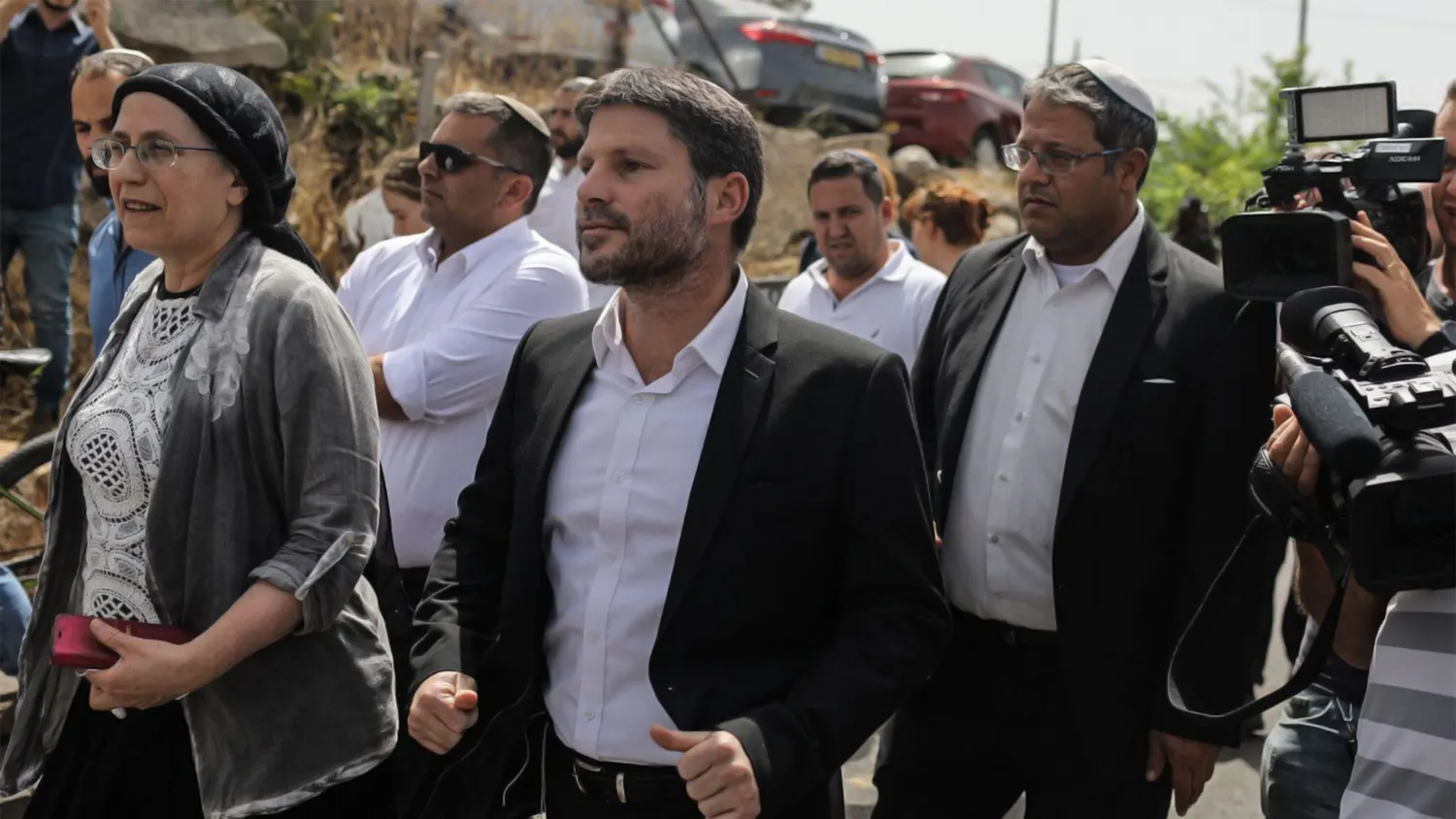
Israeli Finance Minister Bezalel Smotrich made headlines with a blunt declaration: the project is intended to “bury the idea of a Palestinian state.” This statement reflects a hardline political stance that rejects Palestinian statehood outright.
Such messaging is not just symbolic, it carries strategic implications. By physically linking Ma’ale Adumim with Jerusalem, the plan strengthens Israel’s territorial continuity while significantly limiting Palestinian territorial claims.
This move aligns with broader policies aimed at expanding settlements, often justified domestically as necessary for security and national interests.
Palestinian and International Response
The reaction from Palestinian authorities was immediate and severe. Officials described the approval as part of ongoing actions involving displacement, annexation, and human rights violations. Calls have been made for the international community to intervene and halt construction.
Globally, the response has been largely critical:
- Human rights organizations reiterated that Israeli settlements in the West Bank are illegal under international law
- Diplomats warned the move could escalate regional tensions
- Analysts highlighted the growing risk to any remaining peace negotiations
This widespread condemnation underscores the broader concern that actions like the E1 expansion further distance both sides from meaningful dialogue.
Impact on the Two State Solution
At the core of this issue lies the future of the Israeli-Palestinian peace process. The E1 project is widely seen as a major barrier to achieving a two-state solution.
Here’s why:
- It disrupts territorial continuity in the West Bank
- It limits Palestinian access between northern and southern regions
- It complicates border negotiations for a future state
In practical terms, this reduces the feasibility of a negotiated political settlement, pushing the conflict toward a more prolonged and uncertain path.
What Happens Next?
With final approval granted, the project is expected to move into implementation phases soon. Construction could begin in the near future, depending on administrative and logistical timelines.
Meanwhile, questions remain about broader government alignment. While the Prime Minister has not publicly addressed this specific development, indications suggest internal support for the plan.
This comes at a time of rising violence in the West Bank and increasing concern over humanitarian conditions in Gaza factors that further complicate the situation.
A Defining Moment for the Region
The approval of the E1 settlement project marks a critical juncture in the Israeli-Palestinian conflict. It not only reshapes the physical landscape of the West Bank but also alters the political trajectory of the region.
With global criticism mounting and peace prospects diminishing, the coming months will be crucial. Whether this move leads to deeper conflict or renewed diplomatic efforts remains uncertain but its impact is already being felt.
For observers, policymakers, and stakeholders alike, this development reinforces the urgency of finding sustainable, long term solutions to one of the world’s most enduring conflicts.