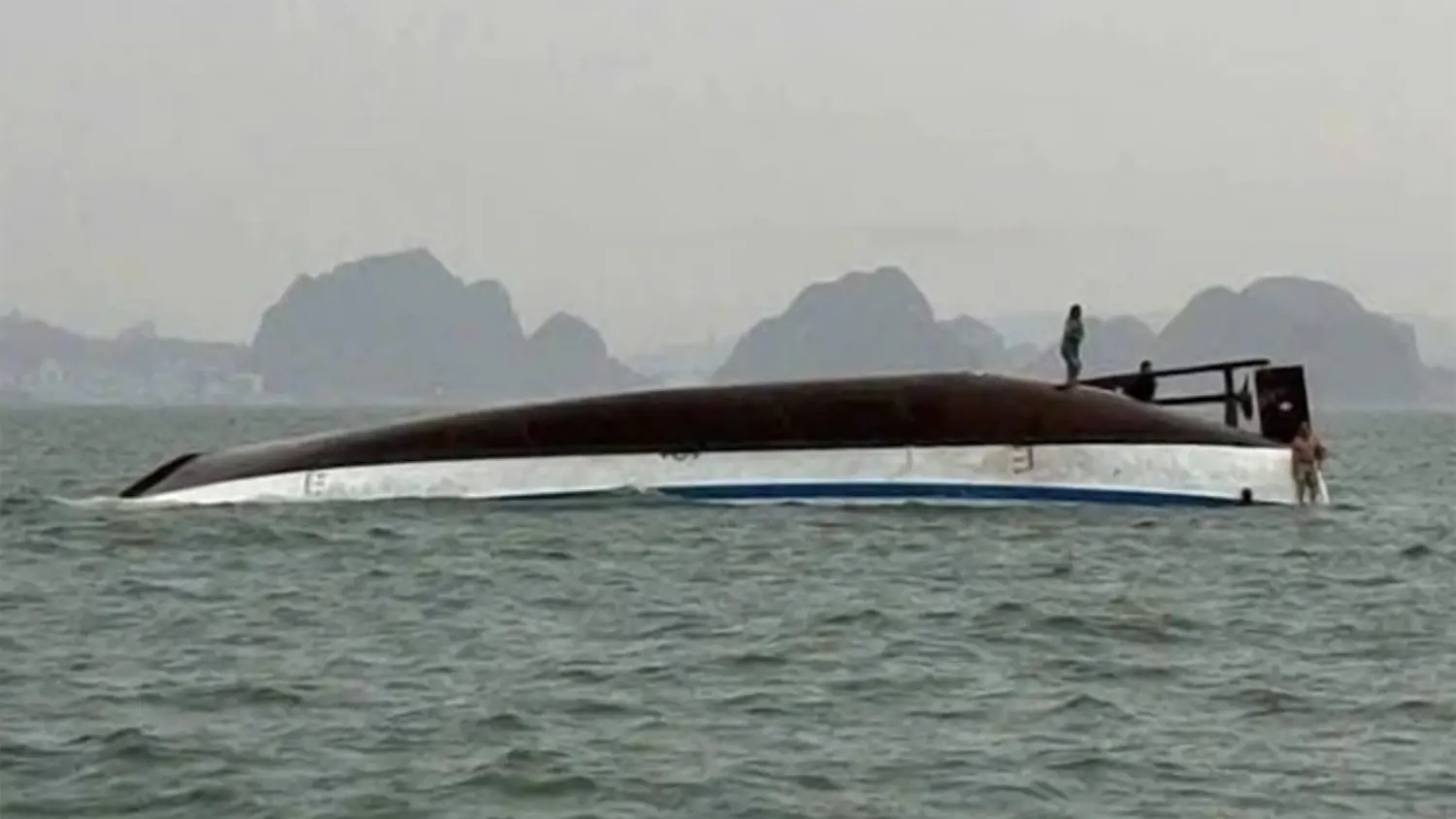
An overloaded passenger boat capsized on the Niger River on Tuesday, September 4, killing at least 60 people in what is now one of Nigeria’s deadliest waterway disasters in recent memory. The tragedy struck the Gausawa community in the Borgu Local Government Area of Niger State, leaving families shattered and rescue teams racing against time.
The boat was carrying more than 100 passengers mostly women and children traveling from the village of Tungan Sule to Dugga for a condolence visit. It never made it. The vessel struck a submerged tree stump, likely hidden beneath swollen river waters, and capsized in the late afternoon hours.
A Desperate Race to Pull Survivors from the Water
Emergency responders, including local divers and officials from the Niger State Emergency Management Agency (NSEMA), moved quickly to the scene. Around 50 survivors were pulled from the water and are currently receiving medical attention. Dozens more remain unaccounted for as search operations continue.
Some of the recovered bodies were buried shortly after retrieval, in keeping with Islamic burial customs widely practiced across northern Nigeria.
NSEMA officials have urged the public to remain patient while search teams press on, though the final death toll is expected to climb.
Two Factors That Sealed the Boat’s Fate
Early investigations point to a grim combination: severe overloading and a collision with a submerged tree stump. The boat was reportedly packed well beyond its safe passenger capacity, a common and dangerous practice on Nigeria’s rural waterways.
The Niger River’s water levels, elevated during the ongoing rainy season, likely concealed the tree stump entirely giving the boat’s operator little to no warning before impact.
Critics are now pointing fingers at the National Inland Waterways Authority (NIWA) and local maritime bodies for their failure to enforce basic safety rules. Chief among the concerns: passengers had no life vests. This single fact, experts say, turned a survivable accident into a mass casualty event.
Nigeria’s Waterways Have Been Killing People for Years
Tuesday’s disaster did not happen in isolation. Boat accidents are alarmingly common in Nigeria, especially during the rainy season between March and October, when river levels surge and visibility drops.
Just last August, more than 40 people went missing after a separate boat capsized in Sokoto State. Before that, similar tragedies played out across Rivers State, Anambra, and Kebbi, a recurring pattern that safety advocates say is entirely preventable.
Millions of Nigerians, particularly in rural communities with limited or no road access, depend on boats as their primary means of transportation. Yet the infrastructure supporting that dependence regulation, vessel maintenance, safety equipment has long been neglected.
Grief, Mourning, and Growing Demands for Accountability
The Borgu community and the wider Nigerian public are mourning. Families who lost children, mothers, and elderly relatives in the accident are now grieving losses that many believe should never have happened.
The Niger State governor has declared an official period of mourning and pledged support for the victims’ families. Local officials have echoed calls for urgent safety reforms.
Nigeria’s Ministry of Transport has promised an investigation, and lawmakers have renewed pressure to overhaul the country’s river transport sector demanding stricter vessel weight limits, mandatory life vests, and better-maintained boats.
Whether those promises translate into lasting change remains the question that haunts every one of these tragedies. For the families in Tungan Sule and Dugga, the answer cannot come soon enough.