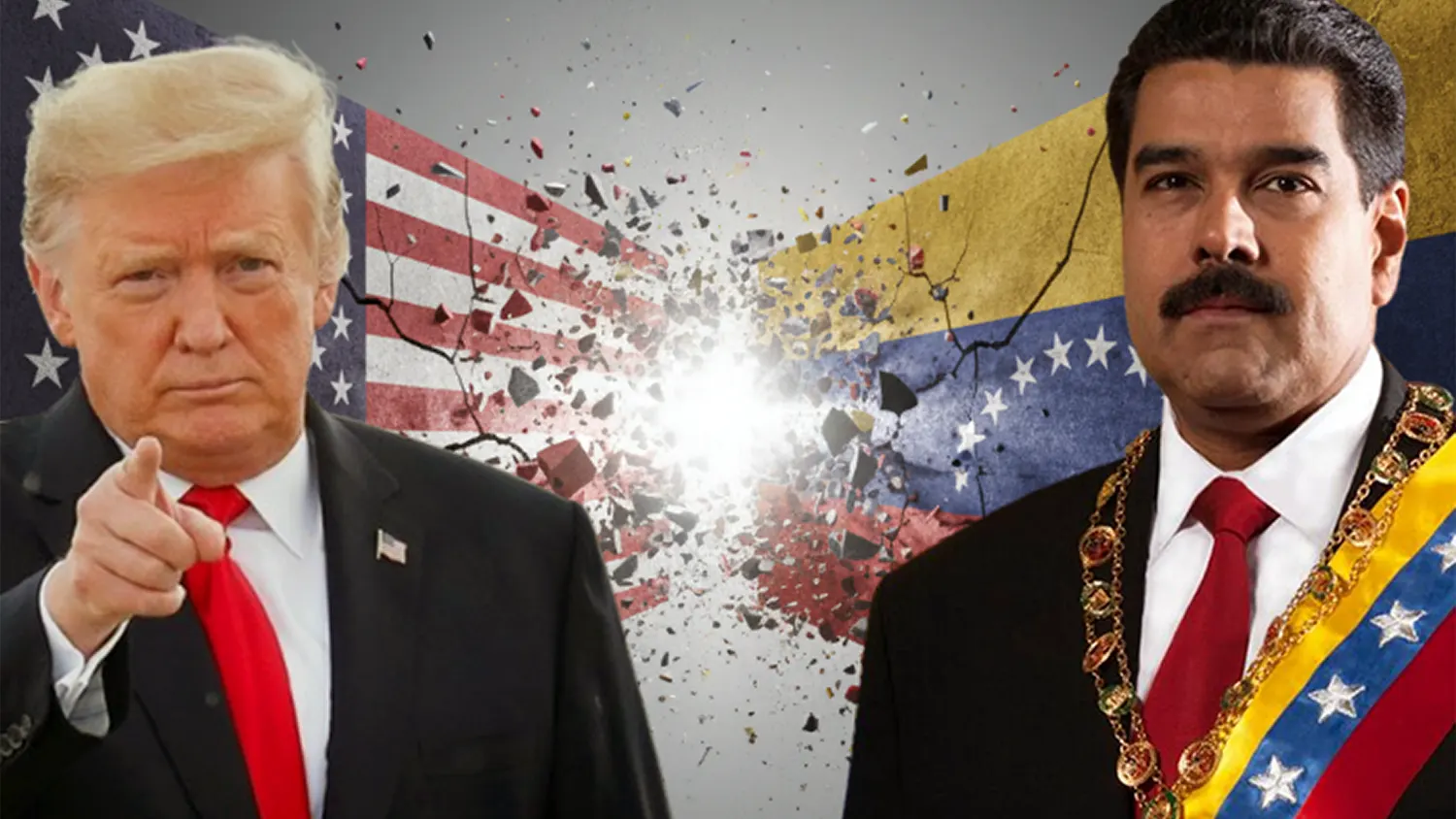
Tensions in the Caribbean are rising fast. Venezuela has begun mobilizing military assets after a US naval squadron arrived near its coastline, a move that has put the region on edge and drawn international attention to what could become one of the most serious diplomatic flashpoints of 2025.
sThe situation is escalating on both sides, and neither Washington nor Caracas appears ready to blink.
What the US Actually Deployed and Why It Matters
According to US officials, the United States sent an amphibious ready group consisting of three warships and roughly 4,500 personnel, including 2,200 Marines. The Pentagon is calling it a counternarcotic operation, a mission aimed at disrupting regional drug trafficking networks in the Caribbean.
But the composition of the force tells a bigger story. Reinforcements are reportedly already on the way, including a guided missile cruiser and a nuclear-powered fast-attack submarine. That’s not a typical drug interdiction package. It’s a show of force and Venezuela is treating it as exactly that.
Venezuela’s Response Has Been Swift and Aggressive
Venezuelan Defense Minister Vladimir Padrino didn’t wait long to respond. He announced the immediate activation of warships and a “significant” fleet of surveillance and combat drones to patrol the country’s maritime borders.
On land, the response was equally forceful. Caracas has mobilized 15,000 troops along its frontier with Colombia and activated hundreds of thousands of militia members to put the country on a higher state of readiness. The message from Caracas is clear, Venezuela is not going to be caught off guard.
The Drug Trafficking Accusations Driving the Standoff
This military face-off doesn’t exist in a vacuum. It sits on top of years of deepening hostility between Washington and Caracas, much of it centered on US accusations that President Nicolás Maduro and senior Venezuelan officials are directly involved in drug trafficking charges Maduro has consistently and forcefully denied.
Washington recently raised the stakes even further by increasing its reward for information leading to Maduro’s capture to $50 million. That kind of price tag isn’t diplomacy, it’s pressure, and it has significantly inflamed relations between the two governments.
Venezuela Is Taking It to the United Nations
Rather than keeping the dispute purely in the military domain, Venezuela has appealed to the United Nations, arguing that the presence of advanced US naval assets particularly the nuclear-powered submarine constitutes “a serious threat to regional peace and security” and an “act of intimidation.”
It’s a calculated move. By framing the standoff in the language of international law and sovereignty, Caracas is trying to shift the narrative positioning itself as the party being threatened rather than the aggressor.
Is an Actual Military Clash Possible?
Most analysts believe a direct military confrontation is unlikely. But that doesn’t mean the situation is without danger. The prevailing view is that the US deployment is part of a broader maximum pressure strategy designed not to trigger a war, but to squeeze the Maduro government hard enough to force it back to the negotiating table.
The risk, of course, is that miscalculation in a high-tension environment can turn a standoff into something worse. With warships, submarines, drones, and tens of thousands of troops now in play across the Caribbean, the margin for error is shrinking.
For now, the world watches as two governments locked in deep mutual distrust continue to project power in one of the most volatile stretches of water in the Western Hemisphere.