Russian forces launched 162 attack and decoy drones against Ukraine overnight on November 27–28, striking multiple locations despite Ukrainian air defenses intercepting or suppressing most of the incoming weapons. A separate missile attack hit Kharkiv on Saturday morning, as Russia continued its campaign against Ukrainian cities and infrastructure.
According to Ukraine’s Air Force, 141 of the 162 drones were destroyed or electronically suppressed by 08:00 local time. However, drone impacts were recorded at 13 locations, while falling debris was reported at seven additional sites.
The latest barrage comes after several consecutive days of intensified Russian attacks targeting energy facilities, industrial sites, transport infrastructure, and residential areas. Ukraine has also continued launching long-range drone operations against targets inside Russia, adding to the growing exchange of aerial strikes between the two countries.
Ukrainian Air Defenses Intercept 141 of 162 Russian Drones
The overnight attack began at approximately 18:00 on November 27, when Russian forces launched 162 unmanned aerial vehicles (UAVs) toward Ukraine.
The drone fleet included 74 jet-powered Shahed-type drones, alongside Gerbera attack drones and Parodiya decoys. The weapons were launched from several locations, including Oryol, Millerovo, and Kursk in Russia, as well as occupied Donetsk and Hvardiiske in Crimea.
Ukraine deployed aircraft, anti-aircraft missile units, electronic warfare systems, unmanned systems units, and mobile fire groups to counter the incoming attack.
By 08:00 on November 28, Ukrainian forces had destroyed or suppressed 141 drones, including 54 jet-powered UAVs.
Despite the reported interception rate, the attack still resulted in confirmed impacts across 13 locations. Debris from intercepted drones also fell at seven other sites.
The Ukrainian Air Force noted that the attack was still ongoing when its morning update was released, with several Russian drones remaining in Ukrainian airspace.
Missile Strike Hits Kharkiv’s Osnovianskyi District
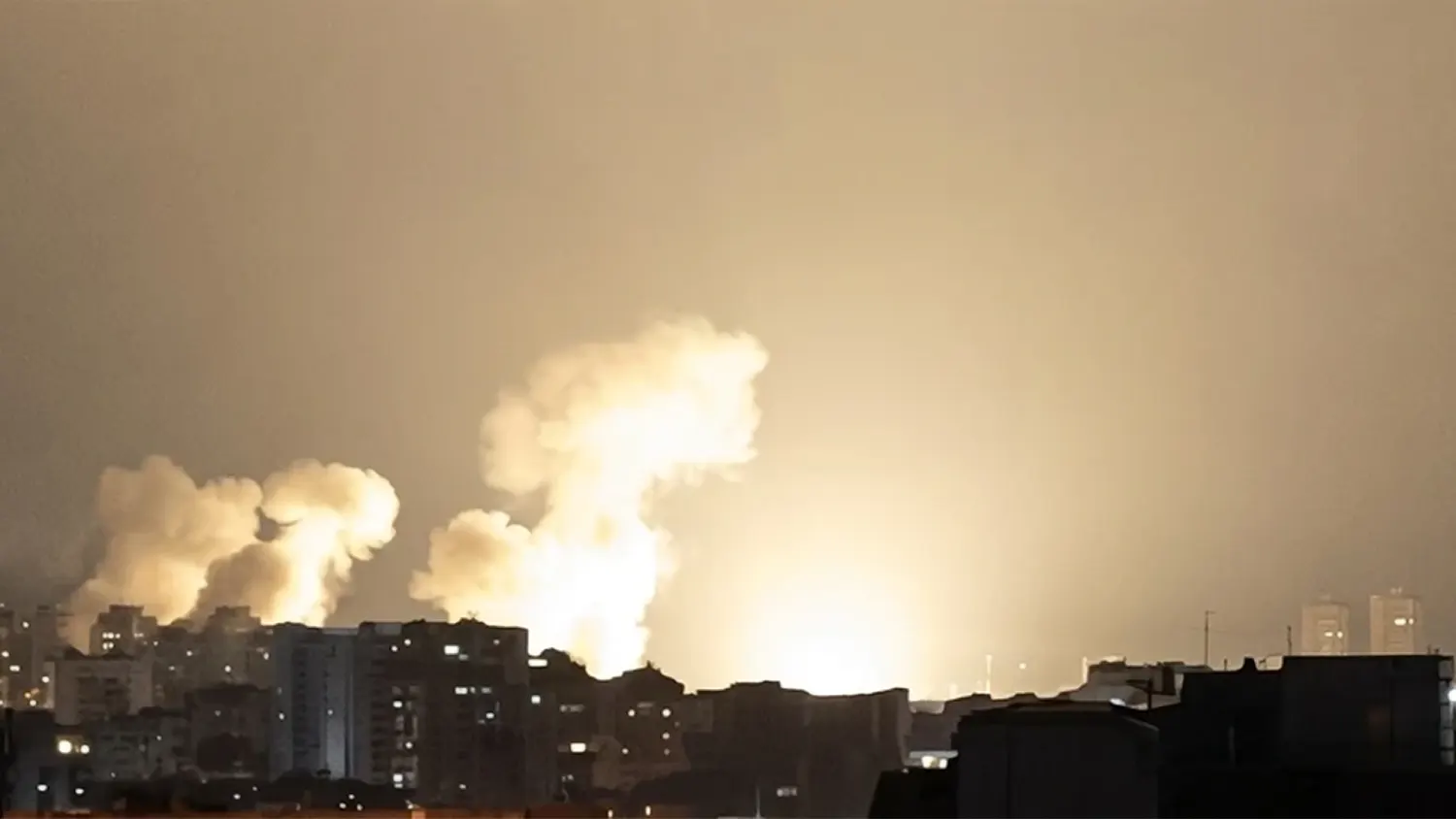
Alongside the overnight drone barrage, Russian forces launched a separate missile attack against Kharkiv on the morning of November 28, targeting the city’s Osnovianskyi district.
Oleh Syniehubov, head of the Kharkiv Regional Military Administration, confirmed the strike and said emergency services were working at the scene to establish the extent of the damage.
At the time of the initial announcement, authorities had received no confirmed information about casualties from the missile strike. Damage assessments were still underway, meaning the situation could change as rescue teams completed their inspections.
The latest attack adds to the pressure on Kharkiv, one of Ukraine’s major northeastern cities, which has repeatedly faced Russian missile and drone strikes throughout the war.
Zaporizhzhia Region Reports Hundreds of Russian Attacks
The scale of Russian attacks was also evident in southeastern Ukraine, where regional authorities reported 701 attacks against 49 settlements in Zaporizhzhia Oblast over the preceding 24 hours.
According to Ivan Fedorov, head of the regional military administration, the attacks included:
- 539 drone strikes, mostly involving first-person-view (FPV) drones.
- 18 airstrikes against settlements across the region.
- 140 artillery strikes against frontline communities.
- Four multiple-launch rocket system attacks.
The bombardment killed one person and injured five others, while authorities received 88 reports of damage to homes, vehicles, and infrastructure.
These figures cover the broader 24-hour reporting period and should not be confused with casualties specifically attributed to the November 27–28 overnight drone barrage.
Russian Attacks Continue to Pressure Ukrainian Infrastructure
The November 28 barrage followed several days of intensified Russian aerial operations against Ukrainian territory.
During the night of November 25–26, Russian forces launched 113 drones, including 76 jet-powered UAVs, alongside reported missile attacks involving Iskander-M, Zircon, and S-400 systems.
The following night, November 26–27, Russia launched another 155 drones, including 88 jet-powered units, according to the Institute for the Study of War’s assessment of the Russian air campaign.
The repeated attacks have placed additional pressure on Ukraine’s energy facilities, industrial infrastructure, and transportation networks. Critical Threats
In Dnipropetrovsk Oblast, the latest reporting also included a Russian strike on transport infrastructure in Dnipro that injured two people. Meanwhile, attacks on frontline settlements in Zaporizhzhia continued to damage civilian properties and infrastructure.
The broader campaign has raised concerns about the resilience of Ukraine’s electricity supply and the ability of emergency services to respond to repeated attacks across multiple regions.
Zelenskyy Calls for More Air Defense Missiles
Ukrainian President Volodymyr Zelenskyy has continued to emphasize the importance of strengthening the country’s air defense capabilities as Russian attacks intensify.
In remarks reported on November 27, Zelenskyy criticized delays in the delivery of American-made Patriot air defense equipment and interceptor missiles. He stressed that the shortage of ballistic missile interceptors directly affects Ukraine’s ability to protect civilians and critical infrastructure.
The shortage is particularly important because Patriot systems are among Ukraine’s principal defenses against Russian ballistic missile attacks.
Ukraine has also continued pursuing longer-range military operations against Russian infrastructure and military-related facilities.
On November 26, Ukrainian drones targeted an industrial zone in Nevinnomyssk, Stavropol Krai, where the Nevinnomyssk Azot chemical plant and a nearby thermal power facility are located. Russian regional authorities reported damage to industrial and energy facilities, although the precise extent of the damage was not independently confirmed.
Ukraine and Russia Exchange Large-Scale Drone Attacks
The latest Russian offensive coincided with another major Ukrainian drone operation inside Russia.
Russia’s Defense Ministry claimed that its air defense systems intercepted and destroyed 1,246 Ukrainian drones overnight on November 28. Moscow Mayor Sergei Sobyanin separately reported that more than 400 drones had been launched toward the capital, with 123 intercepted near the city.
Russian officials also reported casualties after a Ukrainian drone struck a company bus in Bryansk Oblast, injuring nine people. Another reported strike on an industrial facility injured one person.
These figures come from Russian official statements and have not been independently verified in full.
The exchange illustrates the growing scale of long-range drone operations conducted by both countries, with military, industrial, and energy-related facilities increasingly featuring in their respective strike campaigns.
Latest Casualty and Damage Assessment
As of the morning of November 28, Ukrainian authorities had not published a complete nationwide casualty assessment specifically covering the latest 162-drone attack.
However, several separate incidents had already resulted in reported civilian casualties:
- Kharkiv: No casualties had been confirmed from the morning missile strike at the time of the initial regional update.
- Zaporizhzhia: One person was killed and five injured during attacks across the region over the preceding 24 hours.
- Dnipro: Two people were injured in a separate Russian strike on transport infrastructure.
- Bryansk, Russia: Russian authorities reported nine people injured after a Ukrainian drone struck a company bus.
The Ukrainian General Staff also reported that Russian forces had suffered 2,825 combat casualties over the preceding 24 hours. This figure represents Ukraine’s military assessment and has not been independently verified.
With emergency assessments continuing, the full extent of the November 27–28 attacks remained unclear.
The combination of large-scale drone barrages, missile strikes, and reciprocal long-range operations highlights the continuing intensity of aerial warfare between Russia and Ukraine as both countries target military and strategic infrastructure far beyond the immediate frontlines.