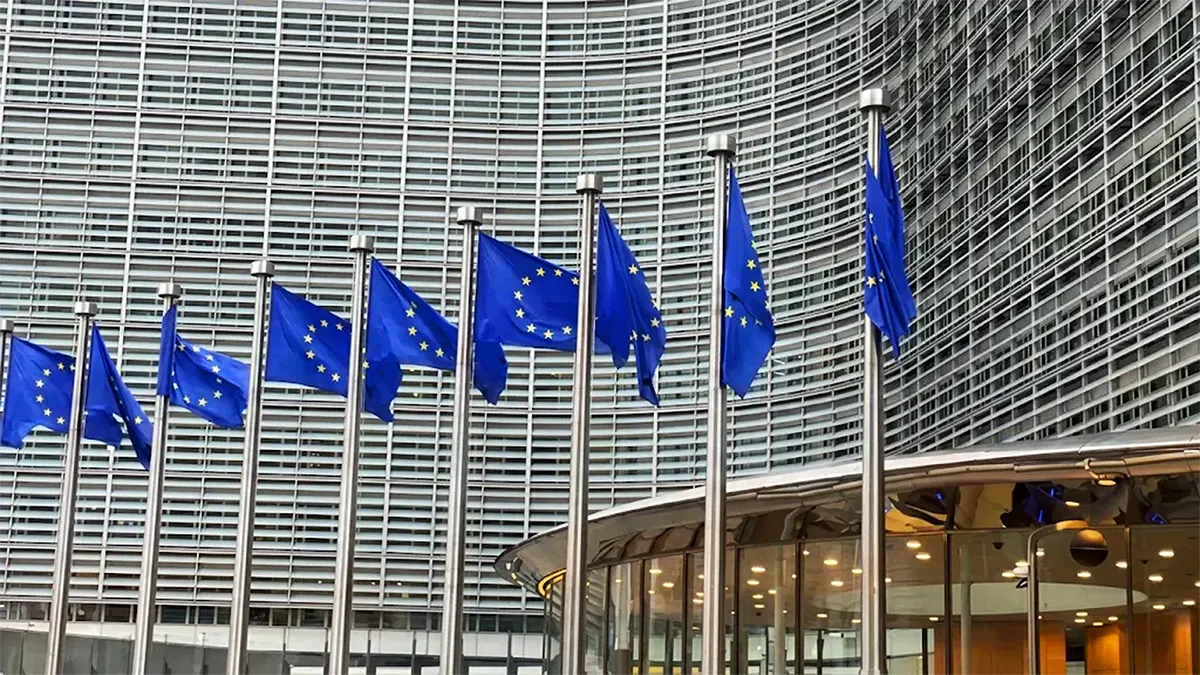
European leaders have made their choice. Instead of naming one person to speak for the continent, they will send a joint negotiating team to the upcoming Ukraine peace talks. The decision followed an informal EU summit in Dublin on November 13, 2026, and it settles a debate that had been building for weeks.
Who Will Sit at Europe’s Table
According to European Council President António Costa, the delegation will bring together three groups:
- EU institutions, including Costa himself and EU foreign policy chief Kaja Kallas
- NATO representatives
- The “E5” powers: France, Germany, Italy, Poland and the United Kingdom
The idea is simple. Rather than pick one person who might upset Washington, Moscow or some EU members, leaders chose a united front that combines EU leadership, NATO and Europe’s biggest military powers.
Why Kallas Won’t Go It Alone
Kallas had argued she already had the job. In her words, all member states agreed in 2024 that she represents Europe on foreign and security policy. She also acknowledged that Russia doesn’t want her in the role, but asked a pointed question: “Do we have a say in who is representing Russia?”
Still, there were other pressures. Moscow strongly objected to dealing with her, and some European leaders reportedly felt she had a rocky relationship with U.S. diplomats. Other names, such as Finnish President Alexander Stubb, had also been floated, which fueled internal debate.
Kallas stressed that she isn’t speaking for herself. She said she represents all 27 member states, as she has for two years. Arriving at a meeting of EU foreign ministers, she confirmed the format is now settled and that ministers are moving on to the substance of the talks and Europe’s counter-demands.
Why Moscow Sees Kallas as an Opponent
Russia’s resistance has deep roots. Kremlin officials have repeatedly called Kallas biased and “incompetent,” and several things in her history explain the friction:
- She is on Russia’s wanted list. In February 2024, while Estonia’s prime minister, she became the first foreign head of government placed on the Russian Interior Ministry’s criminal wanted list. The move came after Estonia removed Soviet-era World War II monuments. Estonians see them as symbols of occupation, while the Kremlin called the removals “desecrating” history.
- She takes a hard line on the war. Since Russia’s 2022 invasion, she has pushed for maximum sanctions, seizures of frozen Russian assets, visa bans for Russian citizens and heavy military aid to Ukraine.
- She rejects the “neutral mediator” role. Kallas has said the EU cannot be neutral between Russia and Ukraine, and that Moscow must be pressed to the table rather than rewarded with concessions.
- Her family history is personal. Born in Soviet-occupied Estonia, she comes from a family hit by Stalin-era deportations. Her mother, grandmother and great-grandmother were sent to Siberia in 1949. She often cites Baltic history to warn that appeasement invites more aggression.
That hostility is a major reason leaders opted for a broader team rather than relying on her alone.
The Order of Steps Kallas Wants to Keep
Kallas says Europe’s role must go beyond simply being present. She wants the continent to influence the outcome, and she pointed to a recent shift. U.S. envoy Jared Kushner has now admitted that any Russia-Ukraine deal will need European help to carry it out, something she says she argued 18 months ago.
Her position on sequencing is firm: first a ceasefire, then a peace agreement, and only after that any other talks. She also compares Russia’s current demands to those it made in 2021, before the invasion. Back then, she says, the list served as a pretext for war. Now Russia is repeating those demands and adding more, which she calls a pretext for keeping the war going.
Kallas also noted that Russia has signed up to European security arrangements before, including the Helsinki Final Act and the Budapest Memorandum. The problem, she said, is that Russia doesn’t keep to them, so Europe needs to see clear concessions.
In her view, no ceasefire is visible yet. She says Russia is escalating attacks on trains, bridges and energy infrastructure, aiming to cause as much civilian suffering as possible so Ukrainians surrender before a hard winter.
What Happens Next
No date or host city has been officially announced. After meeting Vladimir Putin in Moscow on November 12, Kushner said the next round, which will include European representatives for the first time, is expected this week (November 16–22, 2026). Here is how things stand:
- Last round (November 10–11): The third U.S.-mediated round between the U.S., Russia and Ukraine took place in Abu Dhabi. It produced a prisoner-of-war exchange agreement, but left territory and postwar security guarantees unresolved.
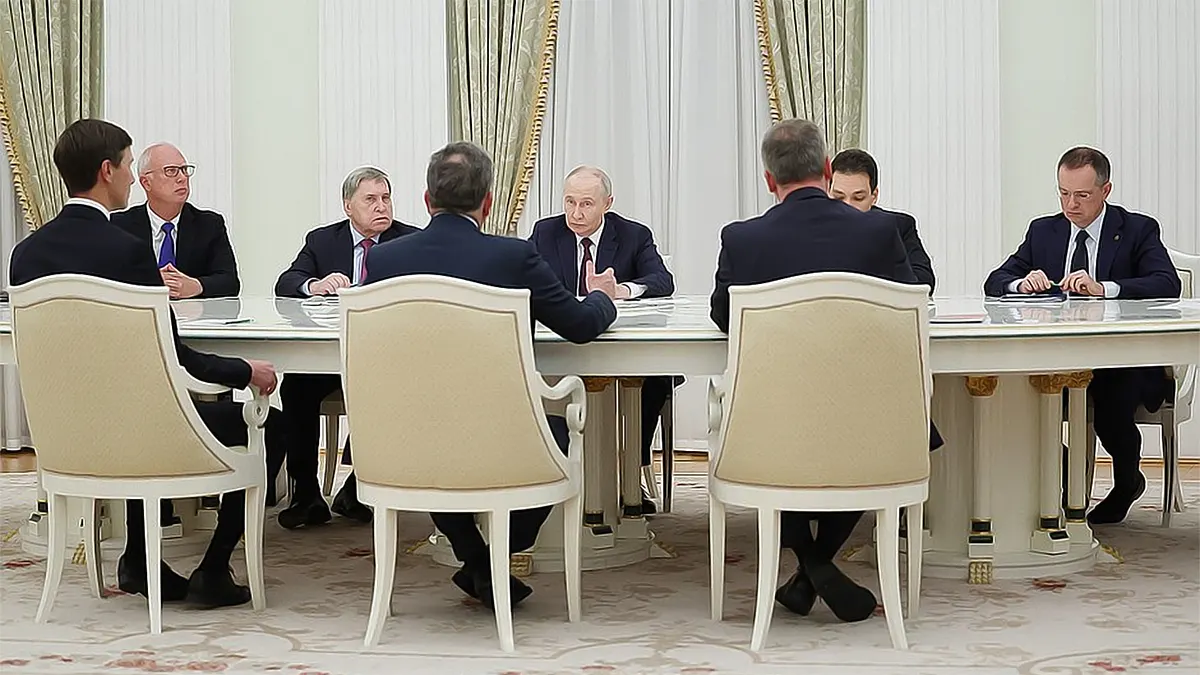
- Widening the table: On November 12, Kushner and fellow envoy Steve Witkoff met Putin, then flew to Dublin to brief Ukrainian President Volodymyr Zelenskyy. Kushner said Moscow and Kyiv agreed to bring Europeans into the next round.
- A key caveat: The Kremlin has said it has not yet formally agreed to negotiate directly with the European team.
- Next EU summit: European leaders meet formally on November 26–27 to coordinate their approach and discuss Ukraine’s 2027 financing.
Exact logistics are being kept quiet while delegations finalize their mandates. The UAE is the likely host again, given the earlier rounds.